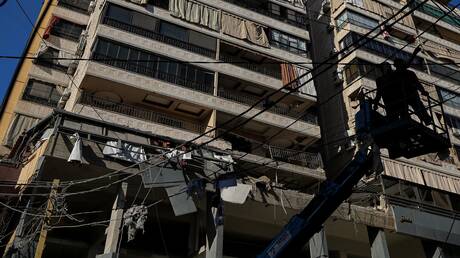
Lebanon is preparing for additional electricity rationing due to the U.S.-Israeli war on Iran, which has disrupted fuel prices. This step comes at a time when Lebanon is suffering from a severe electricity crisis, with production levels significantly declining in recent years, leading to daily power outages lasting for hours. As regional tensions escalate, the situation appears to be worsening, threatening the country's energy stability.
Sources indicate that the ongoing conflict between the United States and Israel on one side and Iran on the other has increased pressure on the global oil market, directly impacting fuel prices in Lebanon. This rise in prices negatively affects the ability of the Lebanese Electricity Company to secure the necessary fuel for operating power plants.
Details of the Situation
The Lebanese government is seeking quick solutions to alleviate the severity of this crisis; however, the economic and political challenges it faces complicate the implementation of any effective plans. The electricity company has confirmed that it will take additional rationing measures to ensure service continuity, even though this means more power outages.
Background & Context
Lebanon has been suffering from a continuous electricity crisis for decades, with the Lebanese Electricity Company plagued by corruption and mismanagement, leading to a deterioration of infrastructure. In recent years, this crisis has worsened due to the political and economic turmoil gripping the country, in addition to the repercussions of the COVID-19 pandemic.
Electricity is one of the most prominent issues causing public discontent, as massive investments are required to repair the electrical system. With rising regional tensions, it has become increasingly difficult for the Lebanese government to attract the necessary investments to improve this vital sector.
Impact & Consequences
Forecasts indicate that the additional electricity rationing will significantly impact the daily lives of Lebanese citizens, many of whom rely on electricity to meet their basic needs. Power outages may also affect various economic sectors, including industry and services.
This situation is likely to lead to increased public protests, as citizens express their dissatisfaction with the worsening economic and social crises. The country may witness a rise in internal tensions, potentially threatening political stability in Lebanon.
Regional Significance
The electricity crisis in Lebanon is part of a broader picture reflecting the challenges faced by many Arab countries amid political and economic crises. With escalating tensions in the region, there is an increasing need for effective strategies to address energy crises.
The crises in Lebanon could affect neighboring countries, potentially leading to an influx of refugees or increased border tensions. Additionally, the deteriorating economic situation in Lebanon may impact regional trade and investments.
In conclusion, the situation in Lebanon remains complex, as internal crises intertwine with regional tensions, necessitating a comprehensive response from the government and the international community to prevent further deterioration.