Lebanon has emphasized the necessity of establishing a ceasefire as a fundamental condition before commencing any direct negotiations with Israel. This assertion comes amid cautious anticipation of diplomatic movements, with conflicting reports regarding a potential meeting between Israeli Prime Minister Benjamin Netanyahu and Lebanese President Joseph Aoun in Washington.
While ministerial sources indicate that the ceasefire remains fragile and military operations have not fully ceased, they assert that "establishing a ceasefire is a mandatory entry point for any negotiation process." They also noted that Hezbollah ties its actions to Israeli violations, necessitating the removal of this pretext to create suitable conditions for negotiations.
Details of the Situation
Pressure is mounting on Lebanon to unify its internal stance and bolster its stability, with parliamentary and ministerial sources confirming notable Arab support in this context. Communications and meetings have included prominent officials such as Nabih Berri and Nawaf Salam, aimed at enhancing cohesion among state pillars and activating constitutional institutions. This movement seeks to reduce political tensions and improve the negotiating position, emphasizing the importance of not missing the opportunity to restore stability and Israel's withdrawal.
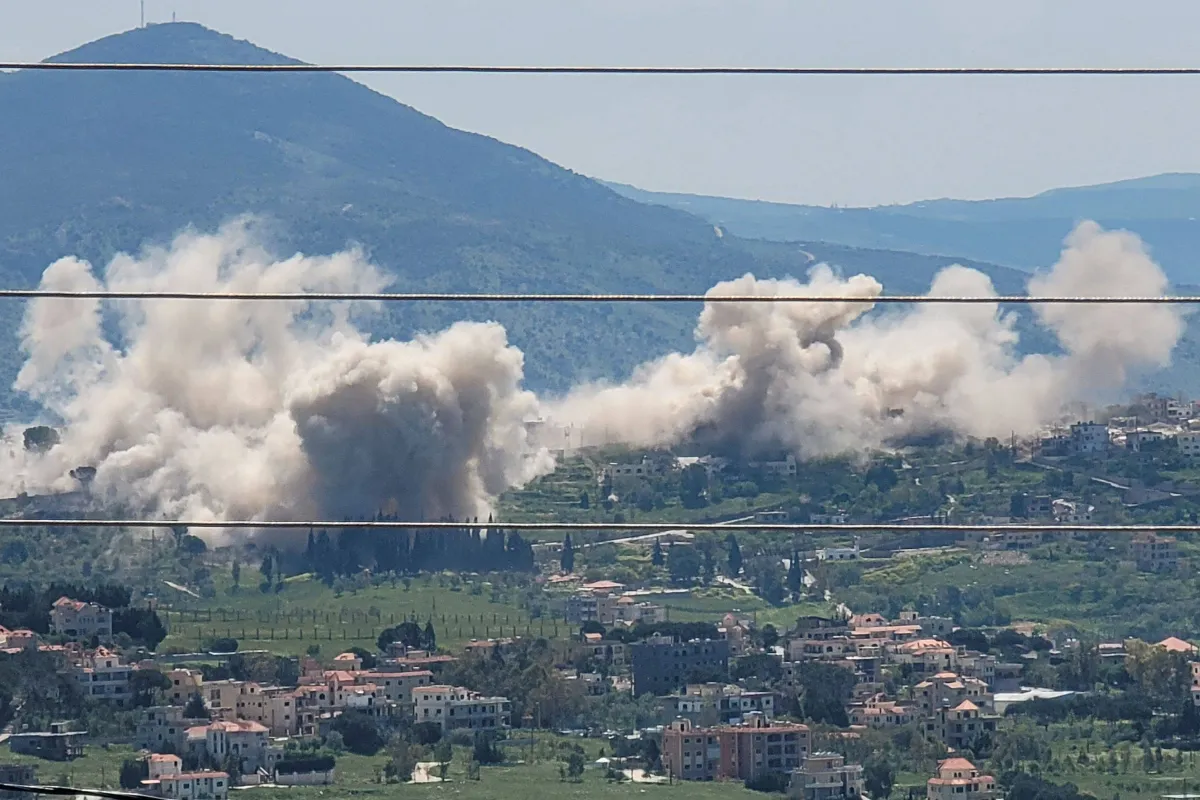
In a related context, the Israeli government has instructed the military to target Hezbollah positions in Lebanon after the army announced that the group had violated the ceasefire. The Israeli airstrikes resulted in the deaths of six individuals in southern Lebanon, further complicating the security situation in the region.
Background & Context
The roots of the current tensions trace back to the military escalation witnessed in the region since early March when Hezbollah launched rockets at Israel in response to the killing of Iranian leader Ali Khamenei. These events led to a large-scale military escalation by Israel, resulting in the deaths of over 2496 individuals and injuries to more than 7700 others in Lebanon.
These events coincide with the trial of Atef Najib, a former security official in the Syrian regime, who was arrested in January 2025. This trial occurs amid a climate of caution and anxiety in Syria, especially following the arrest of the father of Amjad Youssef, accused of committing the Solidarity Massacre in Damascus.
Impact & Consequences
Political circles anticipate that these events will significantly impact the course of negotiations between Lebanon and Israel, as establishing a ceasefire may be a crucial step toward achieving peace and stability in the region. The continuation of military operations could exacerbate humanitarian conditions and increase civilian suffering.
On the other hand, Arab support for Lebanon may contribute to strengthening its negotiating position, potentially opening the door to more effective diplomatic solutions. However, challenges remain, particularly amid internal divisions and external pressures.
Regional Significance
The events in Lebanon are part of a broader context of tensions in the region, where regional and international interests intersect. Any escalation in Lebanon could affect the stability of neighboring countries and complicate the situation in the Middle East.
In conclusion, the situation in Lebanon remains under observation, as establishing a ceasefire could represent an opportunity to rebuild trust among the involved parties, but this requires ongoing diplomatic efforts and regional cooperation.