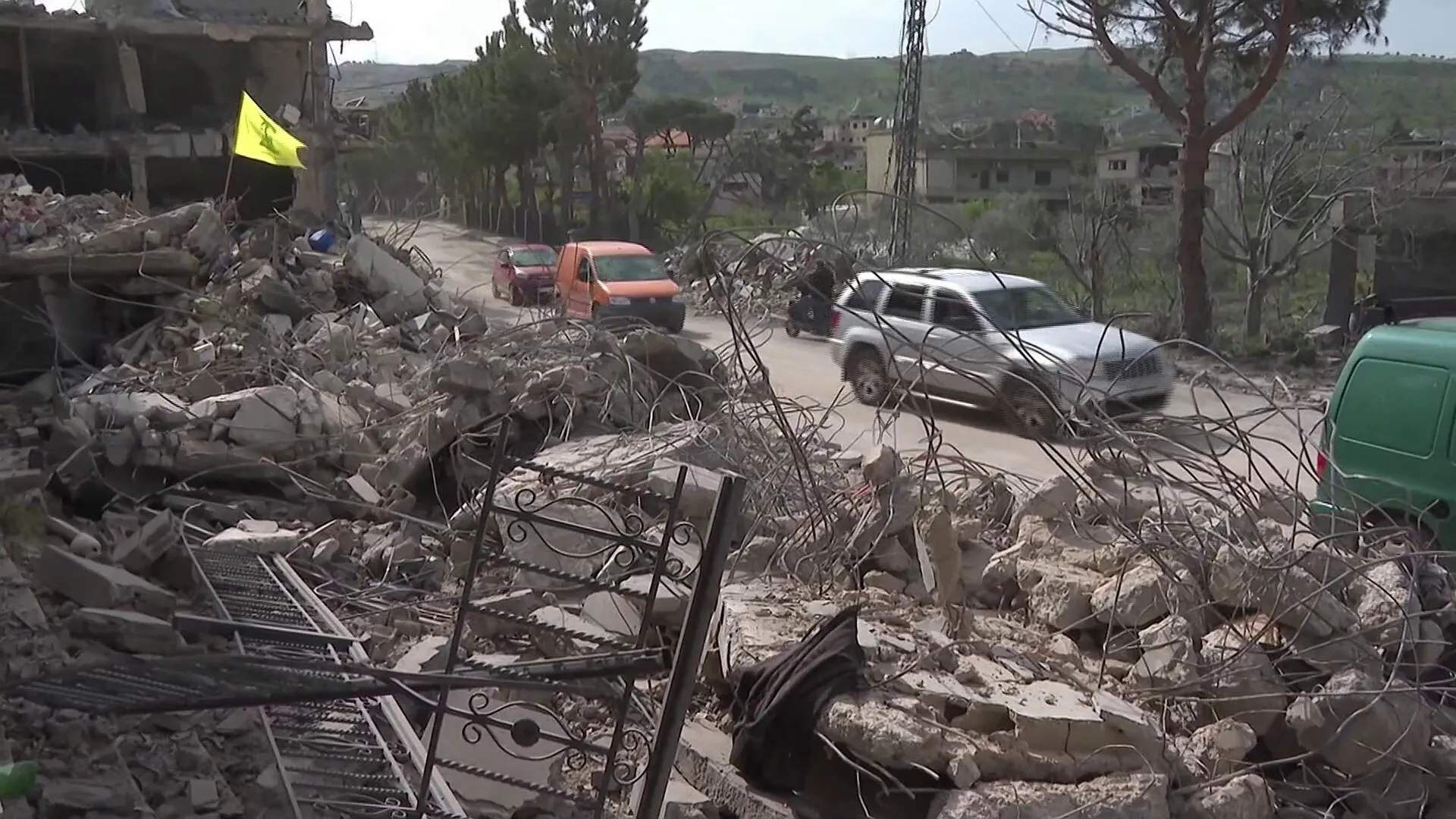
Lebanese President Joseph Aoun stated that Lebanon has informed the United States from the outset about the need for a ceasefire as a first step towards any potential negotiations with Israel. These statements come at a time when tensions between Lebanon and Israel are escalating, reflecting the internal divide on how to handle this contentious issue.
Aoun affirmed in his remarks that the option of direct negotiations with Israel is not considered treason, highlighting the importance of dialogue as a means to resolve conflicts. However, this view does not align with Hezbollah's stance, as the party's Secretary-General Naeem Qassem emphasized their rejection of direct negotiations, asserting that the party will continue to respond to any Israeli aggressions.
Details of the Event
These statements come amid rising tensions along the Lebanese-Israeli border, where the region has witnessed several clashes over the past months. The United States has shown interest in facilitating dialogue between the concerned parties, but it seems that the internal division in Lebanon complicates these efforts.
On the other hand, Lebanon faces significant economic and political challenges, further complicating the situation. The country is suffering from a severe economic crisis, making the need for political and economic stability more urgent than ever.
Background & Context
Historically, relations between Lebanon and Israel have been strained, having witnessed several wars and conflicts. Since 2006, when the July War broke out, the Lebanese-Israeli border has become a zone of constant tension. Recent years have seen multiple attempts at negotiations, but they often stumble due to a lack of trust between the parties.
Hezbollah, which holds significant influence in Lebanon, is one of the most prominent opponents of any form of negotiation with Israel. The party believes that any negotiations could lead to unacceptable concessions, further complicating the situation.
Impact & Consequences
If direct negotiations occur, they could lead to significant changes in the Lebanese political landscape. However, given the current division, any progress in this direction seems challenging. Additionally, the continuation of tensions could negatively affect internal stability, increasing pressure on the Lebanese government.
Moreover, Hezbollah's rejection of negotiations could escalate the conflict in the region, potentially leading to a new military escalation. This situation raises concerns within the international community, which seeks to achieve stability in the area.
Regional Significance
The Lebanese-Israeli relations are a sensitive topic that impacts stability across the entire Arab region. Any escalation in this conflict could negatively affect neighboring countries and increase tensions in the Middle East.
Furthermore, Lebanon's stance on negotiations may influence its relations with other Arab countries, especially those striving for comprehensive peace in the region. Under the current circumstances, dialogue appears to be the best option, but internal division may hinder these efforts.
The situation in Lebanon remains complex, requiring joint efforts from all parties to achieve peace and stability. Amid the current division, there is hope that the Lebanese can overcome their differences and focus on a better future.