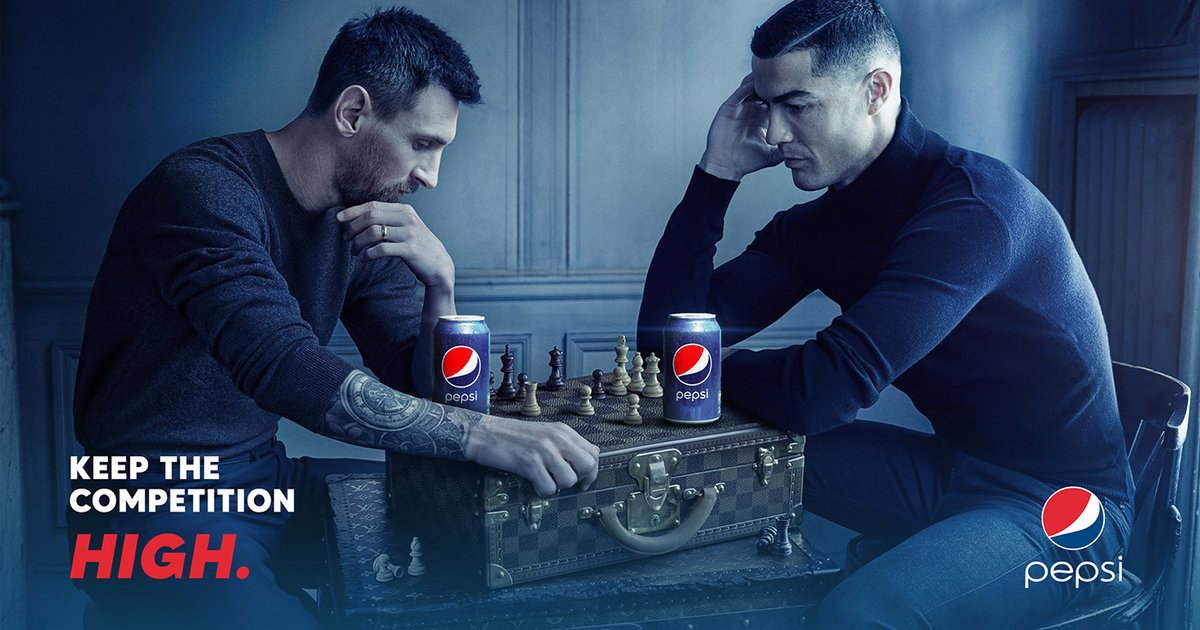
Lego, a leader in the toy industry, has announced the launch of a new advertisement that brings together Argentine football legend Lionel Messi and Portuguese star Cristiano Ronaldo. This advertisement is part of the company's efforts to strengthen its brand and attract a wider audience of both football fans and gamers.
The ad showcases Messi and Ronaldo collaborating to build a series of toys using Lego bricks, reflecting the spirit of teamwork and creativity. This collaboration between the two most famous players in football history also highlights Lego's ability to integrate popular culture into its products, making them more appealing to both children and adults.
Event Details
The new advertisement has been filmed in an innovative style, featuring Messi and Ronaldo in interactive scenes that highlight their playing skills and teamwork. The ad is designed to be engaging for viewers of all ages, incorporating elements of humor and creativity. Modern filming and editing techniques have been employed, giving the advertisement a contemporary touch.
The advertisement is expected to achieve great success, especially given the overwhelming popularity of both Messi and Ronaldo. This collaboration is also a strategic move by Lego to enhance its presence in the global market, as the company seeks to attract more customers by associating its brand with prominent sports figures.
Background & Context
Lego was founded in 1932 and has since become one of the leading companies in the toy industry. Its products are known for their high quality and ability to stimulate creativity in children. Over the years, Lego has expanded its product range to include a variety of themes, including movies and famous characters.
In recent years, the company has faced increased competition from other toy manufacturers, prompting it to innovate its marketing strategies. Collaborating with famous sports figures like Messi and Ronaldo is part of this strategy, helping to boost brand awareness and increase sales.
Impact & Consequences
This advertisement is expected to have a significant impact on Lego's sales, as it captures the attention of football fans. The collaboration between Messi and Ronaldo may also foster a sense of competition among fans of the players, increasing audience engagement with the brand.
Moreover, this advertisement reflects the growing trend in marketing towards using public figures to promote products. This trend may lead to changes in how toys and other products are marketed in the future, as more companies seek to capitalize on the popularity of public personalities.
Regional Significance
This advertisement is particularly important for the Arab audience, as both Messi and Ronaldo enjoy immense popularity in the region. The collaboration between the players reflects Lego's interest in the Arab market, which may lead to increased availability of its products in the area.
Additionally, this advertisement could encourage children and youth in the Arab world to engage in creative activities, highlighting the importance of educational toys in skill development. Seeing famous sports figures interact with Lego products may inspire the new generation to experience play in new and innovative ways.
In conclusion, Lego's new advertisement represents a bold step in the marketing world, merging sports creativity with entertainment. The ad is expected to achieve significant success, further solidifying Lego's position in the global market.