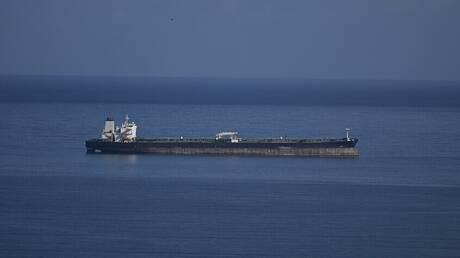
Libyan authorities announced today the failure of the operation to secure the Russian liquefied natural gas (LNG) tanker 'Arctic Methane', which was attacked by two drones on March 3. This attack, which targeted the tanker while it was in territorial waters, has raised serious concerns about security in the Mediterranean Sea, a region experiencing increasing tensions.
The 'Arctic Methane' is one of the prominent LNG tankers, playing a vital role in meeting the energy needs of the European market. The attack on the tanker was not the first of its kind, highlighting the growing risks faced by commercial vessels in the area.
Details of the Incident
On March 3, the 'Arctic Methane' tanker was attacked by two drones, resulting in significant damage to its equipment. Libyan authorities confirmed that the attack did not result in any human casualties, but it caused severe damage to the tanker, leading to a halt in its operations. This incident comes at a sensitive time as Libya seeks to restore its economic stability after years of conflict.
It is worth noting that the tanker was en route to one of the European ports to unload its LNG cargo, complicating the situation in the global energy market.
Background & Context
Historically, the Mediterranean region has witnessed numerous conflicts and political tensions that have directly impacted maritime trade. Libya, suffering from internal divisions and armed conflicts, has become a focal point in these tensions, with regional and international powers competing for influence.
Attacks on commercial vessels are not new in this region, as recent years have seen an escalation in attacks targeting oil and gas tankers, reflecting the significant security challenges faced by countries bordering the Mediterranean Sea.
Impact & Consequences
The failure of the operation to secure the 'Arctic Methane' tanker may lead to negative repercussions for the natural gas market, especially given the increasing energy demands in Europe. This incident could drive up gas prices and increase pressure on European countries seeking to reduce their reliance on Russian energy sources.
Moreover, this incident may heighten concerns about security in the Mediterranean, potentially affecting maritime trade and causing companies to hesitate in sending their shipments through these waters. It could also lead to increased tensions between the involved countries, threatening regional stability.
Regional Significance
Libya is considered one of the Arab countries rich in natural resources, and its security situation directly affects neighboring countries. The failure of the operation to secure the Russian tanker may reflect on energy investments in the region and impact economic relations between Arab nations.
Furthermore, the ongoing tensions in the Mediterranean could lead to increased security challenges in the region, necessitating greater cooperation among Arab countries to ensure maritime safety and protect their economic interests.
In conclusion, the situation in Libya and the Mediterranean remains of significant concern, requiring international and regional efforts to ensure stability in the area and protect maritime trade.