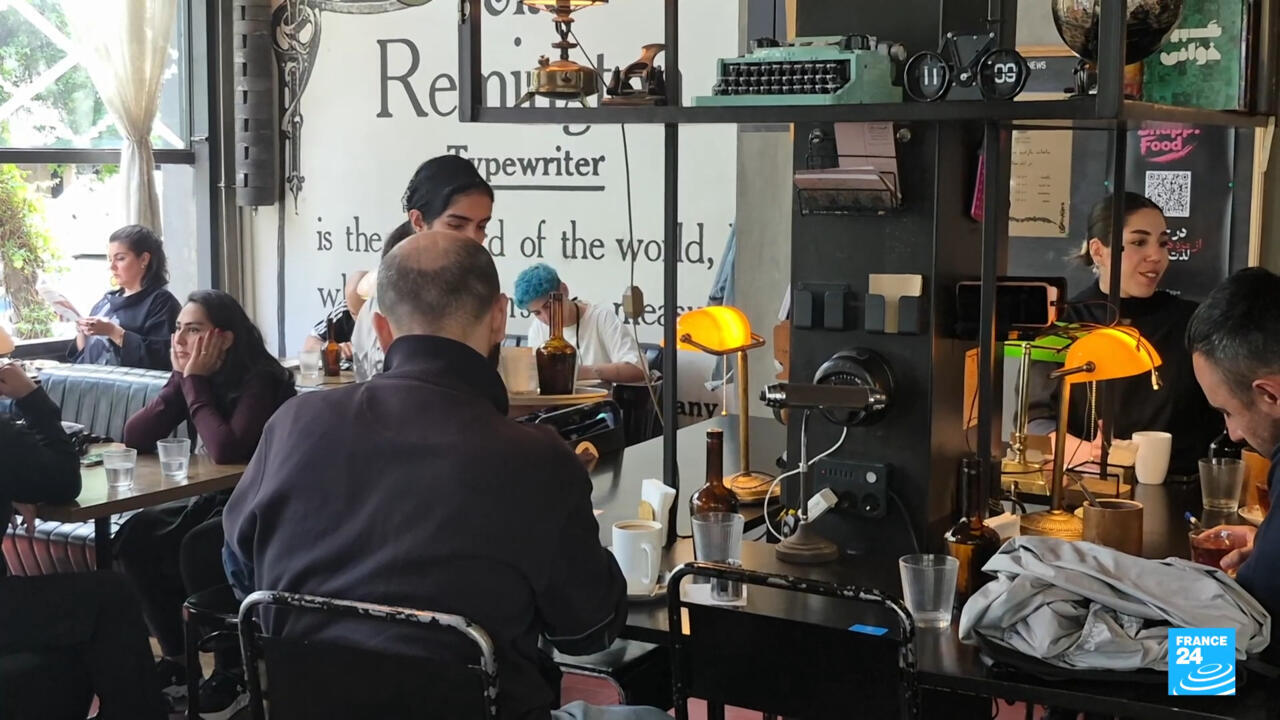
After a period of tensions and protests, life in the Iranian capital, Tehran, has returned to normal following the announcement of a ceasefire. This return not only reflects a temporary stability but also indicates deep cultural and social transformations that are beginning to take shape within Iranian society.
These changes coincide with ongoing uncertainty surrounding talks between Washington and Tehran, which are expected to take place in Pakistan. While the world awaits the outcomes of these negotiations, it seems that Iranians are seizing this time to rebuild their daily lives.
Details of the Event
Reports indicate that life in Tehran has resumed its usual activity, with noticeable movement in markets and cultural centers. Streets that were once filled with protests are now bustling with people going about their daily routines. This shift reflects the Iranian community's desire to overcome crises and return to normalcy.
Photos captured by our correspondent, Siafoush Ghazi, showcase life in Tehran, where people are seen in markets and cafes, reflecting a spirit of optimism despite challenging circumstances. These images also illustrate the cultural changes beginning to emerge in society, as young people adopt new lifestyles that align with global trends.
Background & Context
In recent months, Iran has witnessed a wave of popular protests demanding change and reform. These protests were the result of various factors, including economic and political crises. As tensions escalated, it was expected that these conditions would lead to further unrest.
However, the ceasefire has presented an opportunity to reassess the situation. Iranians, who have suffered from political and economic pressures, are now striving to regain their normal lives. This return to daily life also reflects the community's ability to adapt to changing circumstances.
Impact & Consequences
The repercussions of these transformations extend beyond Iran's borders, affecting regional and international relations. The return to normalcy in Tehran may help ease tensions with neighboring countries, potentially paving the way for increased dialogue and cooperation.
Furthermore, these shifts could influence domestic policies in Iran, possibly strengthening the government's position in the face of external pressures. Nevertheless, the greatest challenge remains how to address the ongoing popular demands for change and reform.
Regional Significance
Iran is a key player in the region, and any changes occurring within its borders could impact neighboring Arab countries. The return of stability to Tehran might mean strengthened relations with some nations while increasing tensions with others.
For instance, these transformations could lead to a reassessment of relations between Iran and Gulf states, as all parties seek greater stability in the region. At the same time, Arab nations must closely monitor developments, as any changes may affect regional security.
In conclusion, the return of life to Tehran after the ceasefire reflects a profound transformation within Iranian society, opening new avenues for regional and international interaction. As Iranians strive to restore their normal lives, the greatest challenge remains how to confront the persistent popular demands for change and reform.