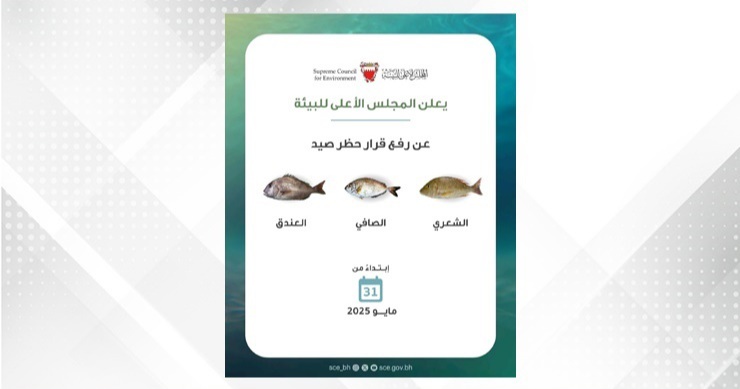
The General Authority for Fish Wealth announced the lifting of the seasonal ban imposed on fishing in the Savi, Shaari, and Andaj areas, allowing fishermen to resume their activities after a period of suspension. This decision is part of efforts to support the fishing sector and enhance food security in the country.
This step is significant for local fishermen who rely on fishing as a primary source of income. The ban was previously imposed to protect fish stocks and ensure their sustainability, reflecting the government's commitment to protecting the marine environment.
Details of the Announcement
The lifting of the ban was announced at a press conference held by officials from the General Authority for Fish Wealth, who confirmed that the decision came after a comprehensive assessment of the status of fish stocks in the region. They indicated that the ban had contributed to increasing fish populations, ensuring the sustainability of this vital resource.
They also emphasized the importance of adhering to regulations and laws related to fishing to ensure that fish resources are not depleted in the future. Specific fishing dates and designated areas were established that fishermen must adhere to.
Background & Context
Historically, fishing is considered an essential part of the culture and economy in many countries, as many people depend on it as a primary source of livelihood. In recent years, there has been increasing pressure on fish stocks due to overfishing and climate change, prompting governments to take measures to protect these resources.
In this context, many countries have implemented seasonal bans on fishing as a means of protecting fish stocks. These measures have proven effective in many cases, contributing to increased fish populations and improved catch quality.
Impact & Consequences
The lifting of the ban is expected to have a positive impact on the local economy, as it will contribute to increasing fishermen's income and improving the standard of living in coastal communities. Additionally, this decision may enhance food security by providing more fresh fish in the markets.
However, this decision must be approached with caution, as increased fishing could lead to resource depletion if regulations are not followed. Therefore, it is essential for the General Authority for Fish Wealth to continuously monitor the situation to ensure the sustainability of these resources.
Regional Significance
In light of the environmental and economic challenges facing many Arab countries, this decision is a positive step towards enhancing food security and resource sustainability. Many Arab countries rely on fishing as a primary source of food and income, making it crucial to take measures to protect these resources.
Furthermore, cooperation among Arab countries in managing fish resources can contribute to improving the overall situation in the sector, as experiences and best practices can be shared to ensure the sustainability of fish stocks in the region.