On Wednesday, June 4, 2026, the US House of Representatives voted 215 to 208 to limit President Donald Trump's military powers regarding Iran. The resolution mandates that Trump must obtain congressional approval before any military escalation, reflecting increasing anxiety among American legislators regarding military interventions.
The session witnessed four Republican members voting alongside the Democrats, including Representative Thomas Massie from Kentucky, who will leave the House in January after losing in the primaries. Notably, more than ten Republican representatives were absent from the session, which impacted the voting results.
Details of the Vote
This move serves as a bipartisan criticism of Trump's military policies, which have been unpopular among Americans. However, this decision must be considered by the Senate, where it is expected to face similar support, as the chamber has previously advanced similar resolutions.
However, Trump is expected to veto this decision when it reaches his desk, as he did in 2019. At that time, lawmakers were unable to override the veto due to failing to achieve a two-thirds majority.
Background & Context
Representative Gregory Meeks, a member of the House Foreign Affairs Committee, indicated that the war against Iran has failed to achieve the administration's stated goals and has complicated negotiations regarding the Iranian nuclear program. He also added that the war has led to a 50% increase in fuel prices, placing additional financial burdens on American citizens.
In a related context, Jamal Abdi, president of the National Iranian American Council, stated that the successful vote represents a clear signal from the majority of American legislators that Trump should end this disastrous war before the damage escalates.
Impact & Consequences
This step is significant in the context of reassessing US foreign policy, especially amid increasing pressures to end military interventions in the Middle East. The rising tensions in the region, particularly in Lebanon, could affect any future agreements related to the Iranian nuclear program.
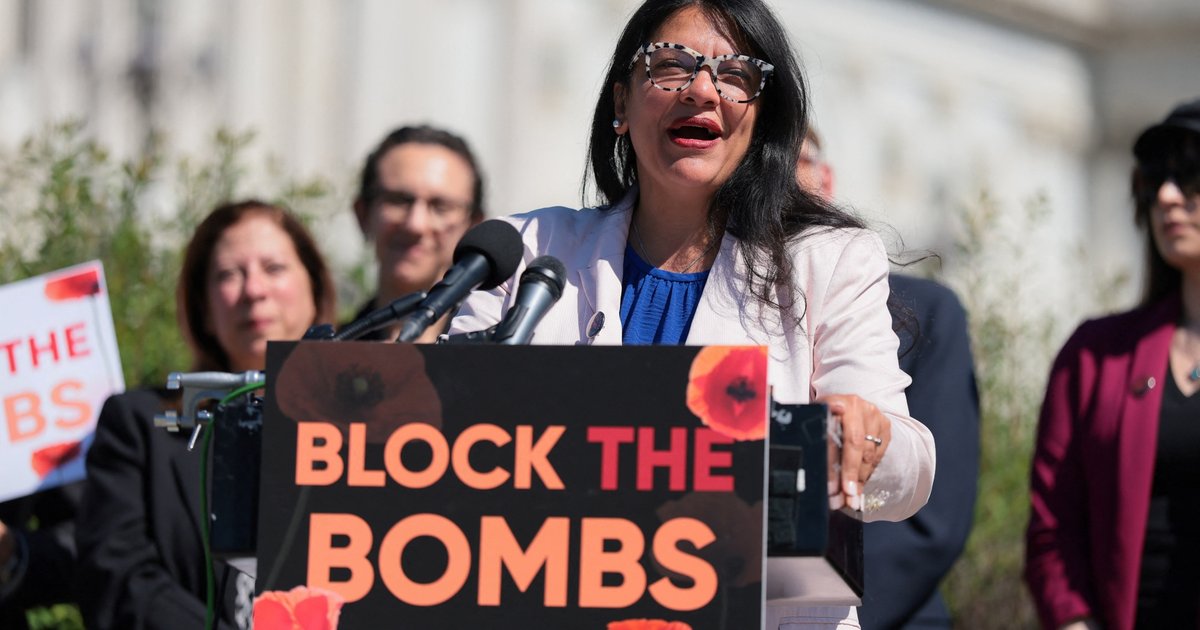
In this context, Representative Rashida Tlaib from Michigan will introduce a resolution to end US support for the war in Lebanon, which she described as a "genocidal war." This comes at a time when pressures are mounting on the US administration regarding its military support for Israel.
Regional Significance
Concerns are growing in the Arab region regarding the implications of these US policies, as any military escalation in Iran or Lebanon could exacerbate humanitarian conditions. The continuation of conflicts in these areas threatens regional stability and increases civilian suffering.
In conclusion, these developments reflect a shift in the US stance towards military interventions, potentially opening the door for more diplomatic dialogue in the region.