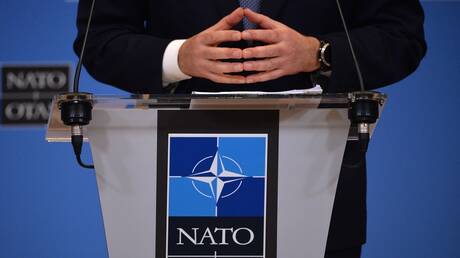
Lithuanian President Gitanas Nausėda has expressed profound concern about the potential withdrawal of the United States from the North Atlantic Treaty Organization (NATO), indicating that this decision could have serious implications for the alliance's stability. Nausėda emphasized that a U.S. exit would lead to a fundamental change in NATO's structure, potentially undermining its ability to address global security challenges.
These remarks come at a time when fears are growing regarding a decline in American commitment to its European allies. The Lithuanian president pointed out that the U.S. is considered the backbone of NATO, and any shift in its stance would significantly impact the balance of power in the region.
Details of the Concerns
During a press conference, Nausėda elaborated that a U.S. withdrawal from NATO could open the door for other countries to enhance their influence in the region, which might lead to escalating tensions. He stressed the importance of maintaining the alliance's unity and strengthening cooperation among member states to tackle increasing security challenges.
He also noted that Lithuania, being a country bordering Russia, feels particular anxiety about any changes in U.S. defense policy. He highlighted that his nation heavily relies on American military support to counter potential threats from its eastern neighbor.
Background & Context
NATO was established in 1949 as a defensive alliance against Soviet threats and has seen significant expansion since the end of the Cold War. However, current tensions with Russia, especially following the annexation of Crimea in 2014, have renewed focus on the alliance's importance in maintaining European security.
In recent years, calls have emerged within the United States to reassess its commitments to NATO, raising concerns among European nations. These discussions have fueled debates about the future of the alliance and its role in addressing global security challenges.
Impact & Consequences
If the United States decides to withdraw from NATO, it would necessitate a reevaluation of defense strategies across Europe. Member states might have to increase their military spending and enhance their defense capabilities independently, potentially leading to a new arms race in the region.
Moreover, a U.S. exit could weaken NATO's position in confronting Russian threats, possibly encouraging Moscow to take more aggressive actions in the area. Consequently, this scenario could heighten instability in Eastern Europe.
Regional Significance
Although the situation within NATO may seem distant from Arab issues, any shift in global balances could impact regional security. Increased tensions in Europe might redirect American attention towards European matters, potentially diminishing focus on Arab issues.
Furthermore, any escalation in NATO-Russia relations could affect the stability of the Middle East, where major powers play a crucial role in determining the fate of regional conflicts.
In conclusion, the future of NATO hinges on the extent of U.S. commitment to its allies. The remarks from the Lithuanian president reflect a shared concern among member states regarding the alliance's future and its capacity to address escalating security challenges.