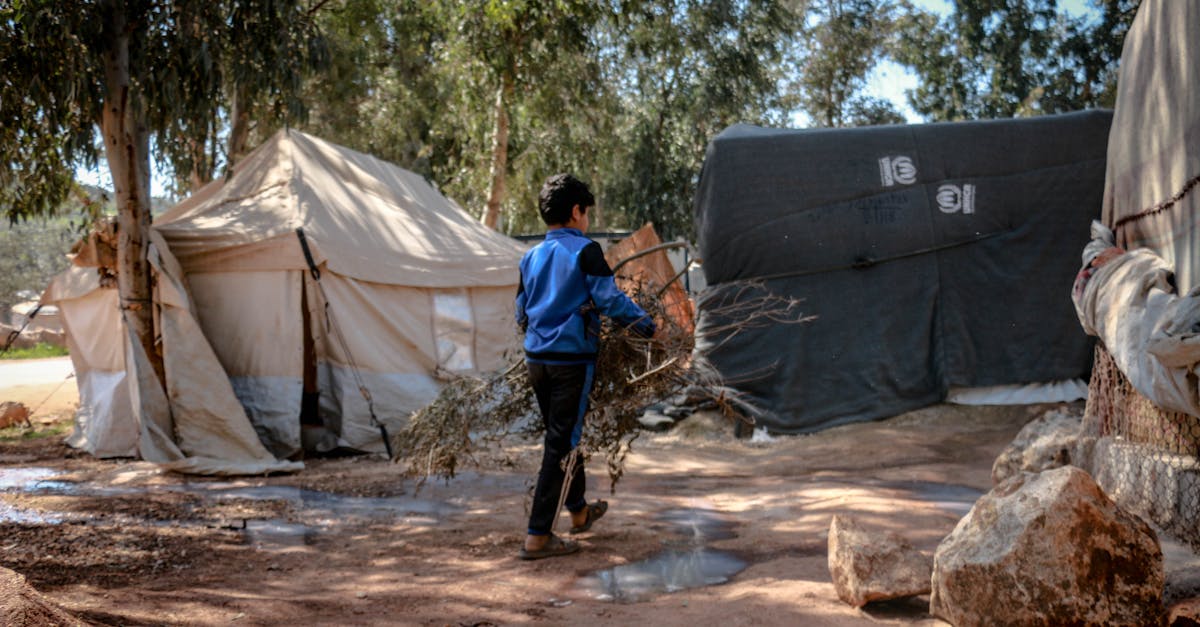
The suffering of the wives and widows of ISIS members is evident in Roj Camp, which is considered one of the most dangerous camps in Syria. They live in harsh conditions with their children, facing a reality filled with regret and fear for the future. However, they share one common dream: to escape this camp and return to their homeland.
Many women recount their bitter experiences, having lost their husbands in battles or seen them arrested. Some express regret over joining the organization, while others still believe they made the right choice. Nevertheless, all of them look forward to a new life away from conflict and tragedy.
Details of the Situation
Roj Camp, located in northeastern Syria, houses thousands of women and children linked to ISIS. These camps suffer from severe resource shortages, including food and healthcare. Living conditions in the camps are harsh, lacking privacy and security.
Reports indicate that many women in the camp face psychological and health challenges, complicating their situation further. Some are trying to educate their children despite the difficult circumstances, in an effort to secure a better future for them.
Background & Context
ISIS was established in 2013 and quickly managed to seize vast territories in Iraq and Syria. With the collapse of the organization in recent years, many of its members and their families find themselves in a precarious situation, having lost everything. Camps like Roj have become a refuge for women and children who were part of this organization, raising questions about how to deal with this segment of society.
International pressure is increasing on countries to repatriate their citizens from the camps, as governments face legal and security challenges in this context. Some countries refuse to repatriate their citizens, further complicating the humanitarian situation in the camps.
Impact & Consequences
The implications of the presence of these women in the camps extend beyond humanitarian borders, raising issues of human rights and security. There are concerns that their continued existence in harsh conditions may lead to the spread of extremism among new generations.
This issue poses a significant challenge for governments, as they must balance security considerations with human rights. There is also an urgent need to provide psychological and social support to these women and their children to ensure that past mistakes are not repeated.
Regional Significance
The issue of ISIS widows in Roj Camp exemplifies the challenges facing the Arab region after years of conflict. Addressing this issue requires international and regional cooperation, as unilateral solutions will not suffice.
Arab countries need to develop comprehensive strategies to deal with the aftermath of conflict, including rehabilitating women and children directly affected by the wars. Ensuring a safe and stable future requires investment in education and healthcare, along with the promotion of human rights.
In conclusion, the lives of ISIS widows in Roj Camp remain a symbol of pain and hope, as many of them strive to overcome their past and seek a new opportunity for life.