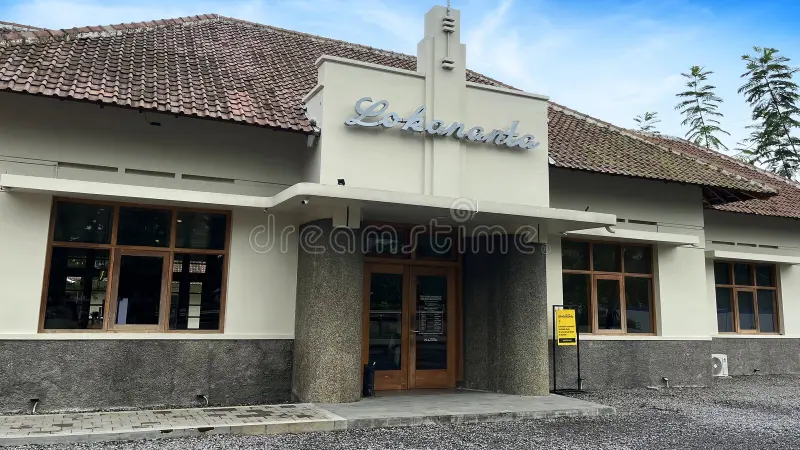
The Lokananta Museum in Surakarta, Central Java, is recognized as the first and one of the most prominent cultural landmarks in Indonesia, safeguarding the history of Indonesian music through a unique collection of albums and musical records. Founded in 1956, the museum serves as a beacon for musical arts, housing a large collection of CDs and cassette tapes from several legendary Indonesian artists.
The museum features a recording studio that is still in use, allowing new artists to benefit from traditional production techniques. The museum aims to preserve Indonesian musical heritage and promote local culture through events and exhibitions that are organized regularly.
Event Details
The Lokananta Museum holds a collection of albums from famous Indonesian artists such as Giseng, Waljinah, and Titik Puspa. It also serves as a center for music education, offering workshops and training courses for aspiring musicians. The museum is a popular destination for tourists from around the world, providing them with the opportunity to learn about Indonesian musical culture.
The activities organized by the museum include concerts and artistic performances, enhancing its status as a leading cultural destination in Indonesia. The museum also seeks to collaborate with international artists to expand its cultural influence.
Background & Context
The Lokananta Museum was established during a time when Indonesia was striving to enhance its cultural identity post-independence. The goal of its creation was to preserve Indonesian musical heritage and present it to future generations. Since its inception, the museum has played a pivotal role in supporting local artists and documenting the history of music in the country.
Over the years, the museum has undergone numerous changes in management and direction, yet it has maintained its core mission of preserving musical heritage. Today, the museum stands as a symbol of national pride, showcasing the diversity and richness of Indonesian culture.
Impact & Consequences
The Lokananta Museum represents a model to be emulated in the field of cultural heritage preservation, demonstrating how government institutions can play an active role in promoting culture and the arts. The museum exemplifies how the arts can serve as a means of communication between different generations, thereby enhancing cultural identity.
Additionally, the museum contributes to the promotion of cultural tourism in Indonesia, attracting visitors from all over the world, which boosts the local economy. This approach is crucial in light of the economic challenges faced by many countries, where arts and culture can support economic growth.
Regional Significance
Although Indonesia is far from the Arab world, the experience of the Lokananta Museum illustrates the importance of preserving cultural heritage worldwide. Arab countries can benefit from this model in enhancing their culture and arts by establishing similar institutions dedicated to preserving cultural and artistic heritage.
Furthermore, arts and music serve as a bridge for communication between different cultures, fostering mutual understanding among peoples. The Lokananta Museum demonstrates how the arts can help build bridges between diverse cultures, which is significant in light of current global challenges.