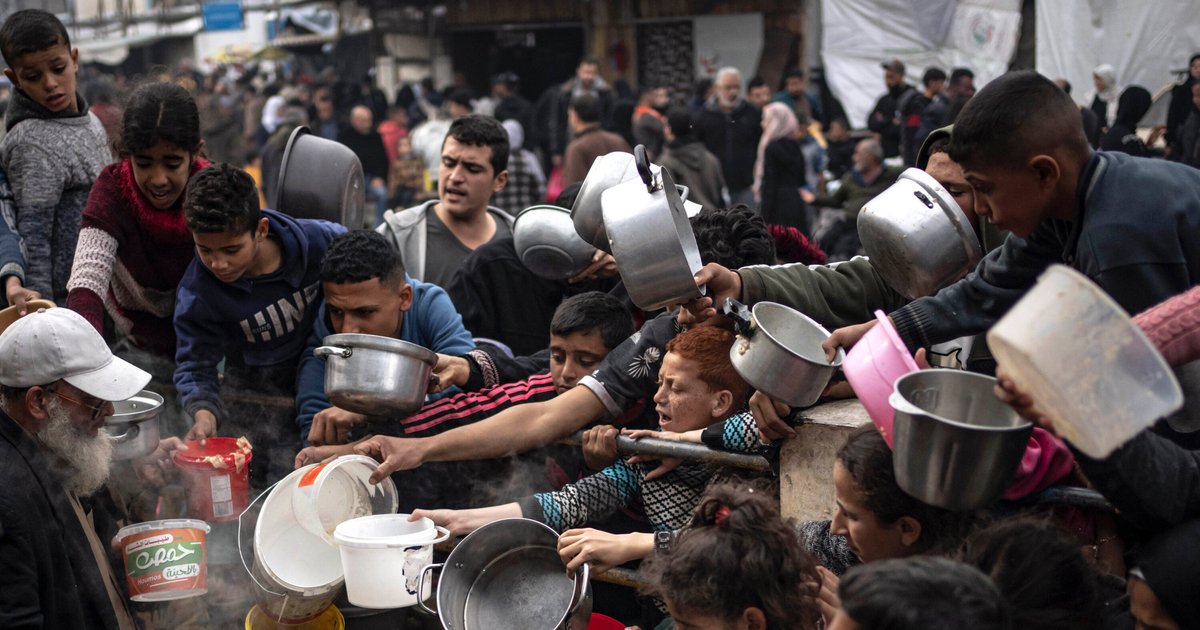
On Wednesday, April 8, 2026, residents of Gaza faced long queues outside bakeries as they sought bread amid a severe shortage of essential food items. This crisis is exacerbated by the ongoing economic difficulties in the region, increasing the suffering of the population under the continuous blockade.
Images captured in the Rimal neighborhood, one of Gaza's main areas, depict painful scenes reflecting the dire situation faced by citizens. Dozens of people gathered in long lines, attempting to secure bread, a staple in their diet. Some residents reported spending long hours waiting, highlighting the escalating crisis in meeting basic needs.
Details of the Event
The shortage of flour and raw materials has led to the closure of many bakeries, worsening the crisis. Bakery owners pointed out that rising prices of raw materials and import restrictions have contributed to this situation. Additionally, the deteriorating economic conditions in Gaza, characterized by high unemployment rates, make it increasingly difficult to obtain food.
At the same time, citizens expressed their frustration with the situation, with many voicing concerns about the ongoing crisis and its impact on their daily lives. Some noted that this is not the first time they have faced food shortages, but the current situation appears to be more severe.
Background & Context
Historically, Gaza has suffered from recurring humanitarian crises due to the blockade imposed for over 15 years. These conditions have led to significant deterioration in infrastructure and the local economy, adversely affecting citizens' lives. Moreover, ongoing political crises and conflicts in the region complicate the situation, making it difficult for residents to access their basic needs.
Furthermore, the health situation in Gaza is also suffering from the repercussions of food shortages, as many families cannot provide proper nutrition for their children. Humanitarian organizations have warned that the continuation of these crises could lead to the spread of diseases and malnutrition among the population.
Impact & Consequences
The repercussions of the bread and basic goods shortage extend beyond Gaza, affecting regional stability. Humanitarian crises in Gaza often provoke reactions from the international community, which can lead to political pressure on the involved parties. The worsening conditions may escalate tensions in the region, impacting security and stability in neighboring countries.
On the other hand, these crises could lead to increased humanitarian support from international organizations, but this requires a swift and effective response from the international community to ensure aid reaches those in need.
Regional Significance
The situation in Gaza mirrors the challenges faced by many Arab countries. The economic and political crises in Gaza may be similar to those experienced by other nations in the region, necessitating a collective Arab effort to address these challenges. Supporting Gaza is part of the Arab responsibility towards humanitarian issues and reflects Arab solidarity in facing crises.
In conclusion, the situation in Gaza requires urgent attention from the international and Arab communities, as the continuation of humanitarian crises could exacerbate suffering and increase tensions in the region. There must be a rapid and effective response to ensure the provision of basic needs for the population and improve their living conditions.