Military and economic estimates have revealed significant loopholes in the maritime sanctions imposed by the United States on Iran, as data shows that over thirty Iranian oil tankers have successfully evaded the imposed restrictions. These findings indicate that the sanctions are not entirely effective, raising questions about their potential impact on the Iranian economy should the pressure intensify.
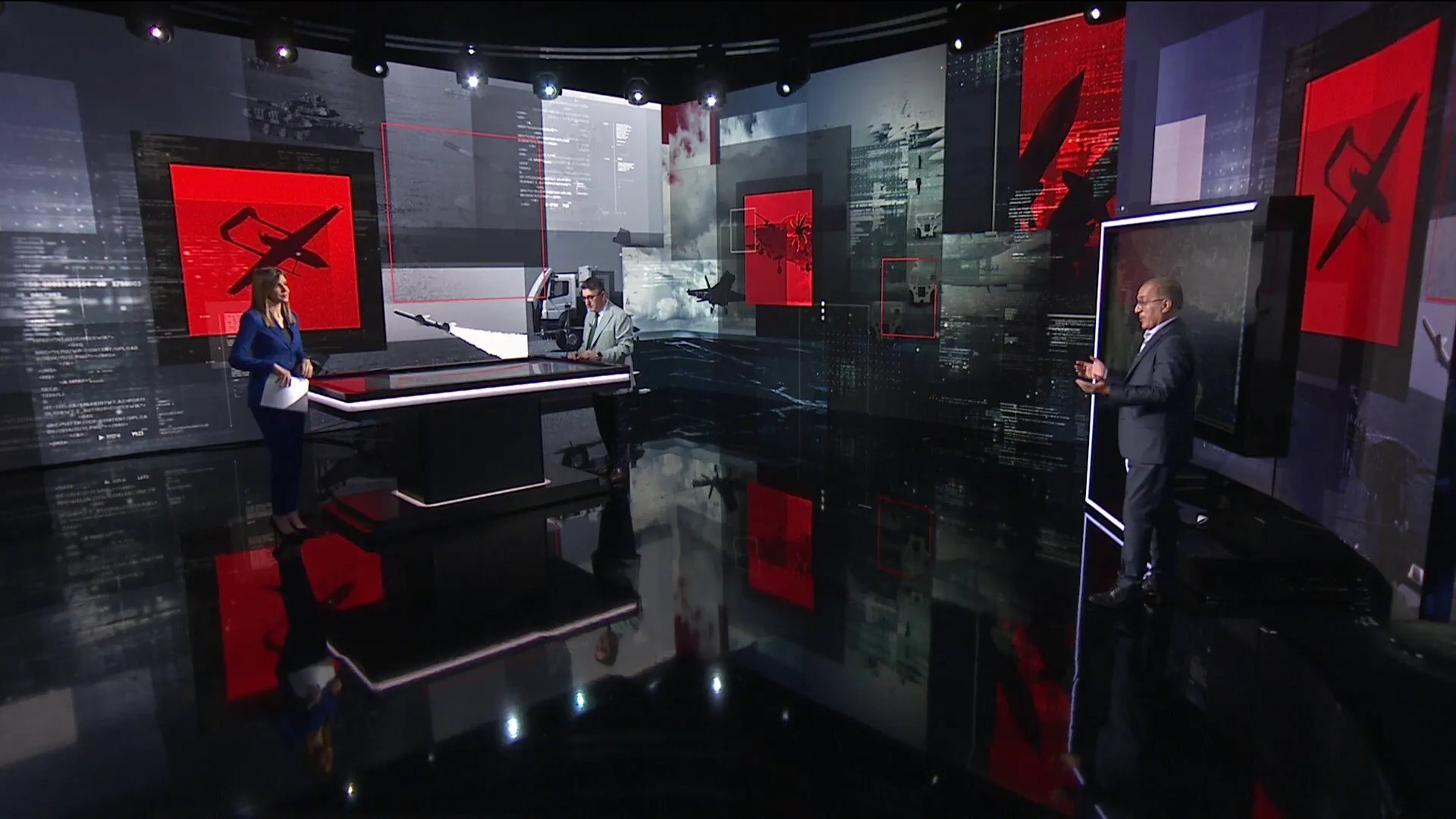
In an analysis studio on Al Jazeera, military and strategic expert Brigadier General Hassan Jouni noted that satellite images reflect a marked activity of Iranian oil tankers. He explained that this situation is linked to what is known as Iran's “shadow fleet,” a network of ships developed by Tehran over the years to counter sanctions, operating through complex mechanisms that include changing identities, flags, and manipulating ship documents.
Details of the Situation
The US sanctions face significant challenges, as they focus on vessels linked to Iranian ports, necessitating the verification of each ship's identity individually. This process is time-consuming and technically complex, allowing some tankers to pass undetected. Conversely, energy expert Hashim Aql warned that the sanctions, despite their loopholes, could become a highly effective pressure tool if they are tightened.
Aql clarified that the current military deployment of the US Navy is insufficient to cover a vast area like the Arabian Sea, increasing reliance on satellites to track ship movements. The ultimate goal of these sanctions is to strangle the Iranian oil sector by restricting exports and filling onshore and floating tanks, which could lead to a halt or decline in production.
Background & Context
Historically, Iran has faced numerous economic sanctions that have impacted its oil sector, one of its main sources of revenue. As economic pressures mount, Tehran seeks to boost its oil exports, particularly to the Chinese market, which accounts for the largest share of its exports.
Concerns are growing that Iran may not be able to endure long without exporting oil, with estimates suggesting its endurance capacity could range between 30 and 60 days at most. If it fails to export its oil, the repercussions of an oil choke could begin to surface, including a production decline of hundreds of thousands of barrels per day.
Impact & Consequences
The challenges facing Iran are escalating under these circumstances, as the Iranian economy heavily relies on oil exports. If sanctions are tightened, this could lead to a potential economic collapse, especially with increasing pressure on the shadow fleet. Brigadier General Jouni described the current situation as akin to a game of chicken, where each side seeks to exhaust the other.
The United States is betting on weakening the Iranian economy to push it towards concessions, while Tehran is banking on rising energy prices and indirect pressure on Washington. The current phase falls within a range of neither war nor peace, making the confrontation take on the character of an economic maritime war.
Regional Significance
The Arab region is significantly affected by the repercussions of US sanctions on Iran, as any escalation in the situation could have negative impacts on global oil markets. Additionally, rising tensions in the Arabian Sea and the Indian Ocean could reflect on the overall stability of the region.
In conclusion, current data indicates a continued careful balancing act, with potential economic escalation that could have deeper repercussions within Iran if the tools of sanctions are tightened and the channels that still allow Tehran to export its oil are closed.