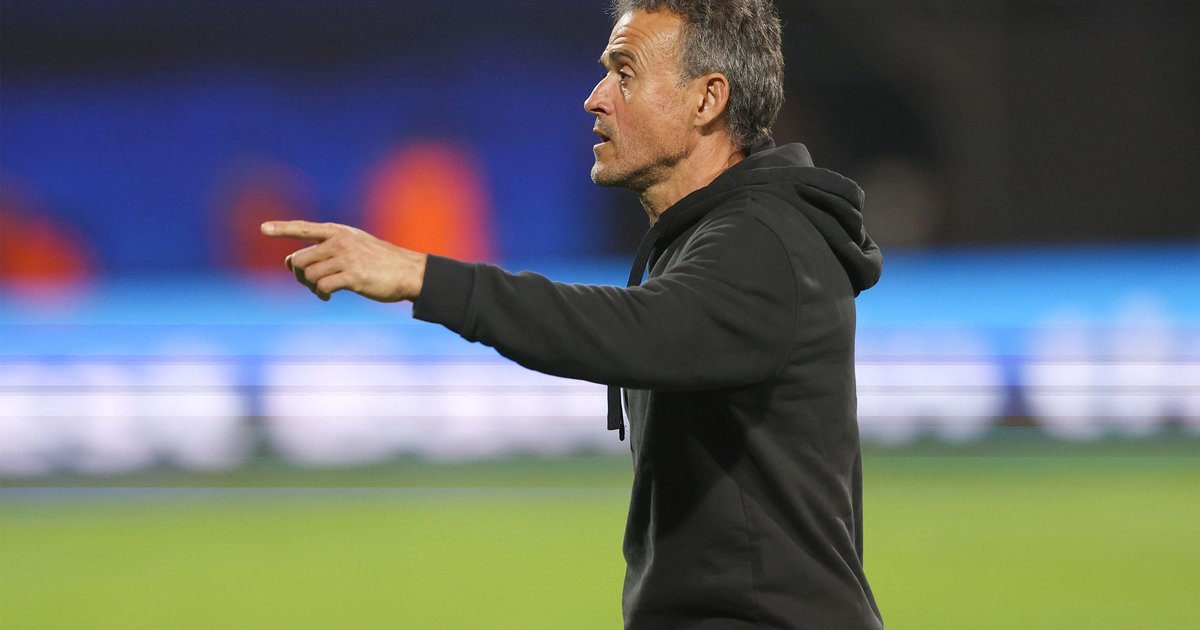
Spanish coach Luis Enrique has turned down an offer from Manchester United to take over as head coach, complicating the club's situation further after a series of disappointing results. This decision comes at a critical time for the club, which is struggling to regain its footing in the Premier League after an unsatisfactory start to the season.
Enrique, who previously led the Spanish national team, was a primary candidate for the role following the dismissal of the previous coach. However, according to sources close to the coach, Enrique prefers to wait for an offer from another club, as he seeks to fulfill his coaching ambitions in a more stable environment.
Details of the Event
This news comes amid a state of instability within Manchester United, where the team is experiencing a decline in performance and results. Following the dismissal of the previous coach, speculation increased about who would succeed him, with Enrique being one of the prominent names. Nevertheless, his rejection of the offer highlights the challenges the club faces in attracting top coaches.
It is worth noting that Enrique has achieved significant success in his coaching career, including winning the UEFA Champions League with Barcelona. However, it seems he prefers to wait for a better opportunity, reflecting his high ambitions and desire to work with teams that have greater potential for winning titles.
Background & Context
The history of Manchester United is filled with successes, making it one of the biggest clubs in history. However, recent years have seen a noticeable decline in performance, leading to the dismissal of several coaches. Enrique, considered one of the best coaches in the world, could have been the ideal choice to rebuild the team, but his rejection of the offer raises questions about the club's future.
Manchester United is regarded as one of the most famous clubs in the world, boasting a massive fan base. Therefore, any decision regarding the appointment of a new coach will have a significant impact on the club and its supporters.
Impact & Consequences
Enrique's refusal to coach Manchester United may affect the club's plans in the near future. This could increase the pressure on the management to search for another coach, potentially leading to further instability. Additionally, this decision may impact the players, who need strong leadership to get the team back on track.
At the same time, this may open the door for other coaches, increasing competition for the managerial position. With mounting pressure, the management will need to make quick and effective decisions to ensure the team's stability and improve performance.
Regional Significance
Football is one of the most popular sports in the Arab world, and Manchester United has a large fan base in the region. Therefore, any changes in the club will affect its fans in the Arab world, who passionately follow the team's news. Furthermore, Enrique's rejection may spark interest among Arab coaches who aspire to achieve their ambitions in major clubs.
In conclusion, the future of Manchester United remains uncertain, and the club needs to take decisive steps to regain its status among the top clubs. Enrique's decision may mark the beginning of a new phase of challenges for the club, but it also presents an opportunity to search for a coach capable of leading the team back to winning ways.