Brazilian President Luiz Inácio Lula da Silva has unveiled an ambitious plan to restructure over 100 billion Brazilian reais (equivalent to $20 billion) in family debt. This initiative is part of a series of measures aimed at supporting consumer spending and bolstering the Brazilian economy, as Lula seeks to enhance his popularity before the elections scheduled for October.
The Brazilian government aims to alleviate the financial burdens on families, especially amid the challenging economic conditions the country is facing. The program includes restructuring debts to provide families with a greater opportunity to meet their obligations, which will contribute to improving living standards and increasing purchasing power.
Details of the Initiative
Reports indicate that the program will include provisions for easing debt repayments, along with the possibility of reducing the associated interest rates. Lula aims to achieve economic stability that positively reflects on citizens, which could lead to increased support for him in the upcoming elections.
This initiative comes at a time when many Brazilians are experiencing rising financial pressures, as inflation and unemployment rates have surged in the country. This program is expected to improve the economic conditions for families, potentially leading to increased domestic consumption and stimulating economic growth.
Background & Context
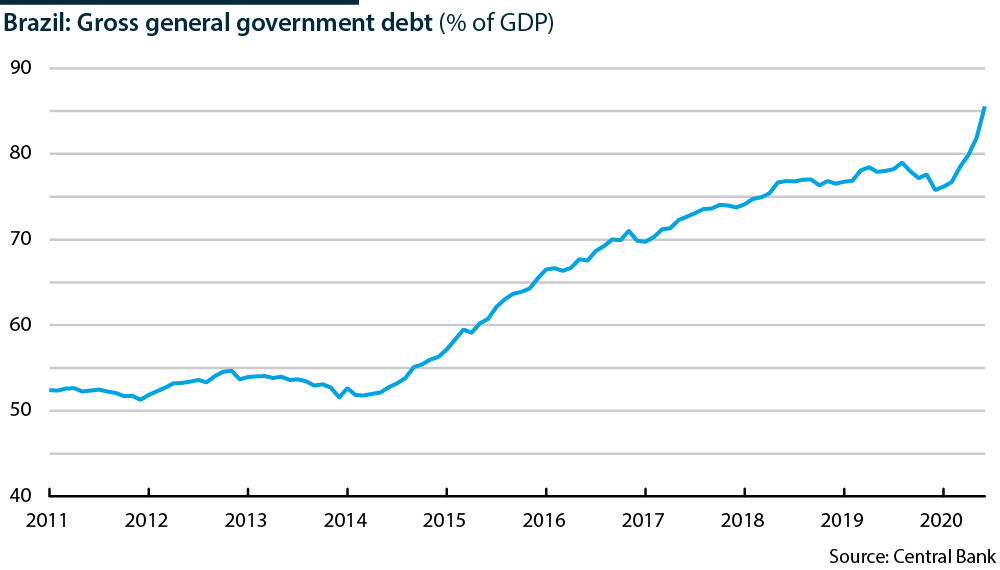
Historically, Brazil has faced numerous economic challenges, having been affected by multiple financial crises. In recent years, the Brazilian government has struggled to manage public debt, impacting citizens' purchasing power. Lula's new program is part of the government's strategies to overcome these challenges.
Lula has previously launched several initiatives to support the poor and middle classes, aiming to strike a balance between economic growth and improving living standards. These steps are deemed essential amid the intense political competition the country is experiencing.
Impact & Consequences
This program is expected to have a positive impact on the Brazilian economy, as it will help boost local consumption and increase demand for goods and services. Additionally, improving financial conditions for families may lead to a reduction in bankruptcy rates and increased financial stability.
On the other hand, the program may face challenges related to effective policy implementation, as it requires coordination between various government entities and the private sector to ensure the initiative's success. Furthermore, global economic challenges could affect the outcomes of this program.
Regional Significance
Brazil's experience in addressing family debt issues is particularly relevant for Arab countries facing similar economic challenges. Arab nations could benefit from this experience in developing similar programs to support financially distressed families.
Given the difficult economic circumstances many Arab countries are experiencing, such initiatives may be crucial for enhancing social and economic stability, contributing to sustainable development.
Lula's plan highlights the importance of supporting families in facing financial crises and underscores the need for effective strategies to improve economic conditions across various nations. The success of this initiative could serve as a model for other regions around the world.