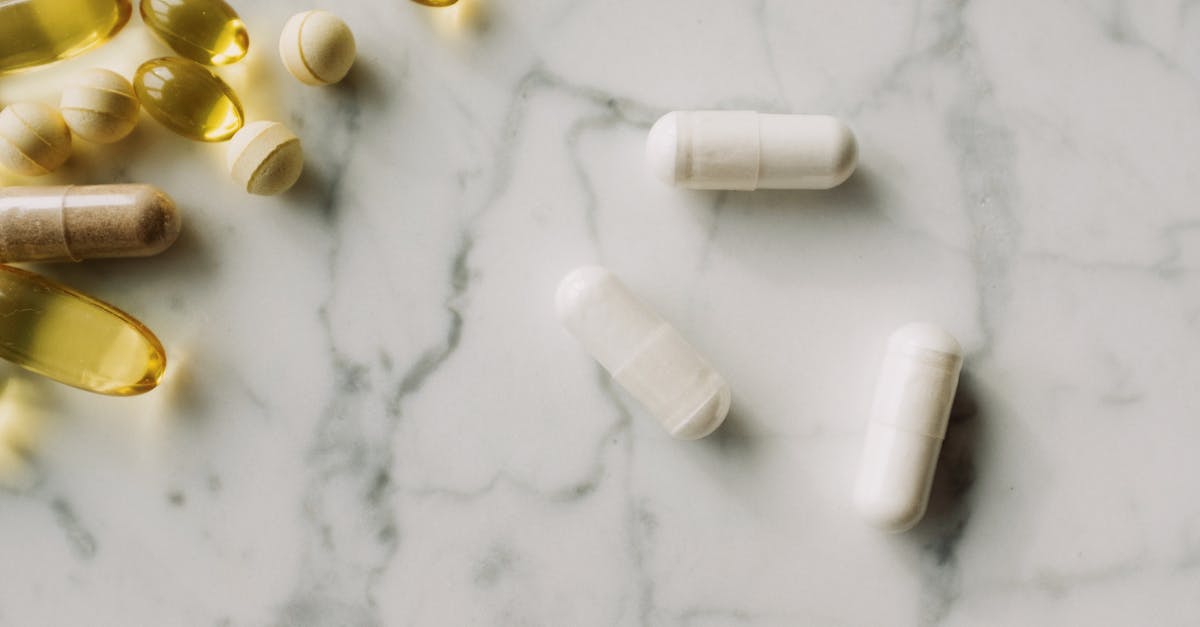
Lysine, an essential amino acid, is gaining increasing attention in the world of dietary supplements, as it is believed to play a role in addressing certain health issues such as herpes infections and supporting bone health. However, research on its effectiveness is still in its early stages, warranting caution when using it.
Lysine is an amino acid that the body cannot produce, so it must be obtained from dietary sources such as meat, fish, and dairy products. It is used in protein synthesis and enhances many vital functions, including the production of enzymes and hormones.
Details of the Findings
Some studies indicate that lysine may help reduce the frequency of herpes simplex outbreaks, a common virus that causes painful blisters. The underlying idea is that lysine can compete with arginine, an amino acid that the virus needs for growth and replication. However, the evidence remains inconclusive, as many studies rely on small trials or animal models.
Some research suggests that using lysine in the early stages of viral activity may be more effective, but it should not be considered a substitute for approved medical treatments. Additionally, daily lysine supplementation is considered a potential option for some individuals to reduce the chances of herpes outbreaks.
Background & Context
Interest in studying the relationship between amino acids and mental health, including lysine, has increased amid rising anxiety disorders. Some hypotheses suggest that lysine may affect serotonin pathways, which could help modulate anxiety-related responses.
Previous studies have shown the impact of a combination of lysine and arginine on anxiety-related behaviors in animal models, but these results require further research to confirm their effectiveness in humans.
Impact & Consequences
Lysine is also linked to bone health, as it is believed to help improve calcium absorption and reduce loss. However, lysine alone cannot be relied upon as a treatment for osteoporosis, a complex condition influenced by multiple factors such as age and nutrition.
Some research indicates that lysine may support bone growth, but results still require further studies to confirm its effectiveness. It should be viewed as a dietary supplement rather than a substitute for approved medical treatments.
Regional Significance
With increasing health awareness in the Arab region, lysine may represent a potential option for many individuals suffering from health issues related to herpes or bone health. However, it should be used cautiously and under medical supervision.
In conclusion, lysine is considered a dietary supplement with potential uses, but current evidence does not support its consideration as an independent treatment. It is preferable to obtain it from a balanced diet, with a necessity to consult a specialist before using supplements.