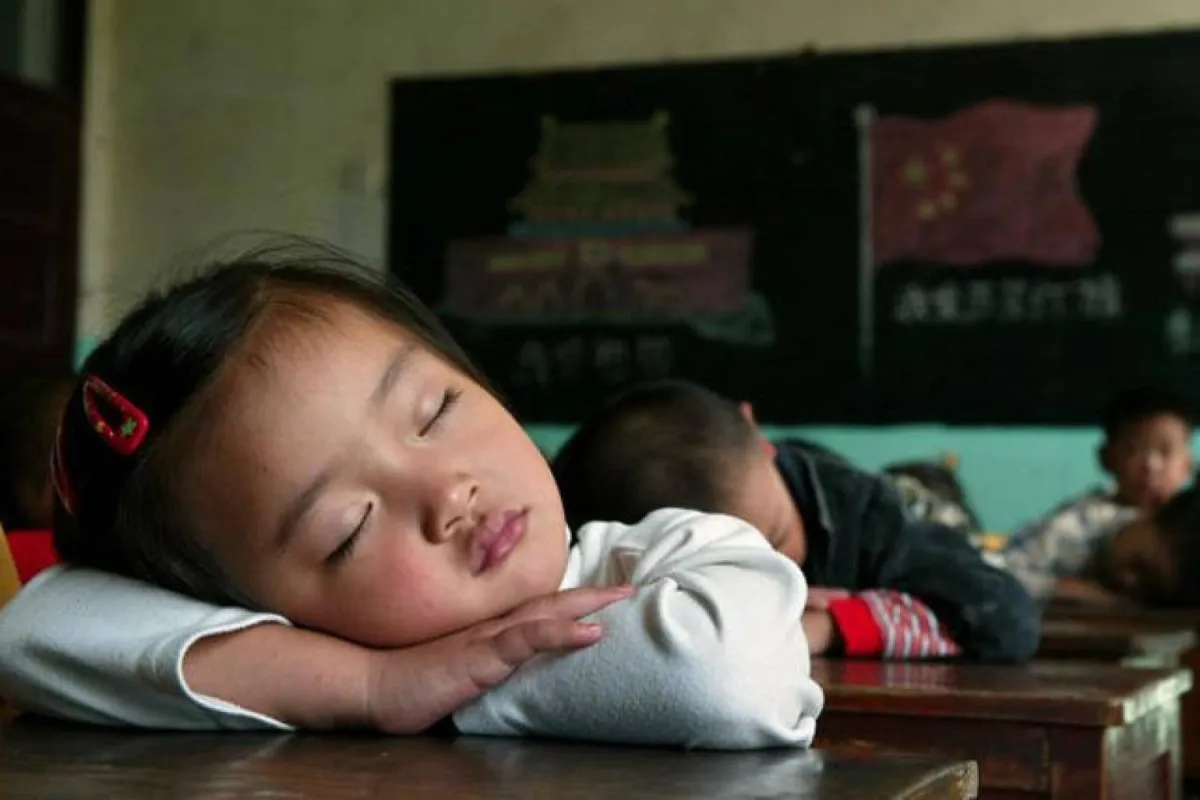
A recent study has revealed that children who experience persistent sleep deprivation during their early years are at a greater risk of developing depression during adolescence. These findings come from research conducted by scholars at the University of Birmingham in the UK, which analyzed data from over 15,000 children who participated in a long-term study that began in the 1990s.
The researchers tracked the number of hours of nighttime sleep for children from the age of 6 months to 7 years, before assessing their depression symptoms at various stages of life, ranging from 12 years to 22 years. The results indicated that children who consistently had short sleep durations were approximately twice as likely to exhibit elevated and persistent symptoms of depression during both adolescence and early adulthood.
Event Details
Dr. Isabel Morales Munoz, the lead researcher of the study, explained that children who suffered from continuous sleep deprivation had nearly double the risk of experiencing high and persistent levels of depression throughout all the time periods studied between adolescence and early adulthood. She emphasized that transient sleep disturbances are common among children, but the risk is associated only with persistent cases.
She added that ongoing sleep issues affected only a small percentage of the children involved in the study, noting that this small group of children who experienced continuous sleep deprivation during childhood faced an increased likelihood of developing depression during adolescence.
Background & Context
Sleep deprivation is a significant health issue affecting children worldwide. Good sleep is essential for children's growth and mental and physical development. Previous studies have linked sleep deprivation to a range of health problems, including obesity, anxiety, and depression.
Research indicates that children who do not get enough sleep may encounter difficulties in concentration and learning, which can impact their academic performance and social relationships. Additionally, lack of sleep can lead to changes in mood and behavior, increasing the risk of depression.
Impact & Consequences
This study serves as a call to parents and educators to pay greater attention to children's sleep habits. It is crucial for parents to adopt strategies to improve their children's sleep, such as establishing early and consistent bedtimes, reducing screen time before sleep, and encouraging physical activity during the day.
The effects of sleep deprivation extend beyond mental health; they also impact physical health. Children who suffer from sleep deprivation may be more susceptible to chronic diseases in the future, necessitating early preventive measures from society.
Regional Significance
In the Arab world, the importance of this study is heightened by the challenges faced by children in modern societies, where daily pressures and technology contribute to changing sleep patterns. It is essential to raise awareness among families about the importance of sleep and its effects on children's mental and physical health.
In conclusion, this study should motivate parents and communities to adopt healthy sleep habits for children, ensuring a better future free from depression-related issues.