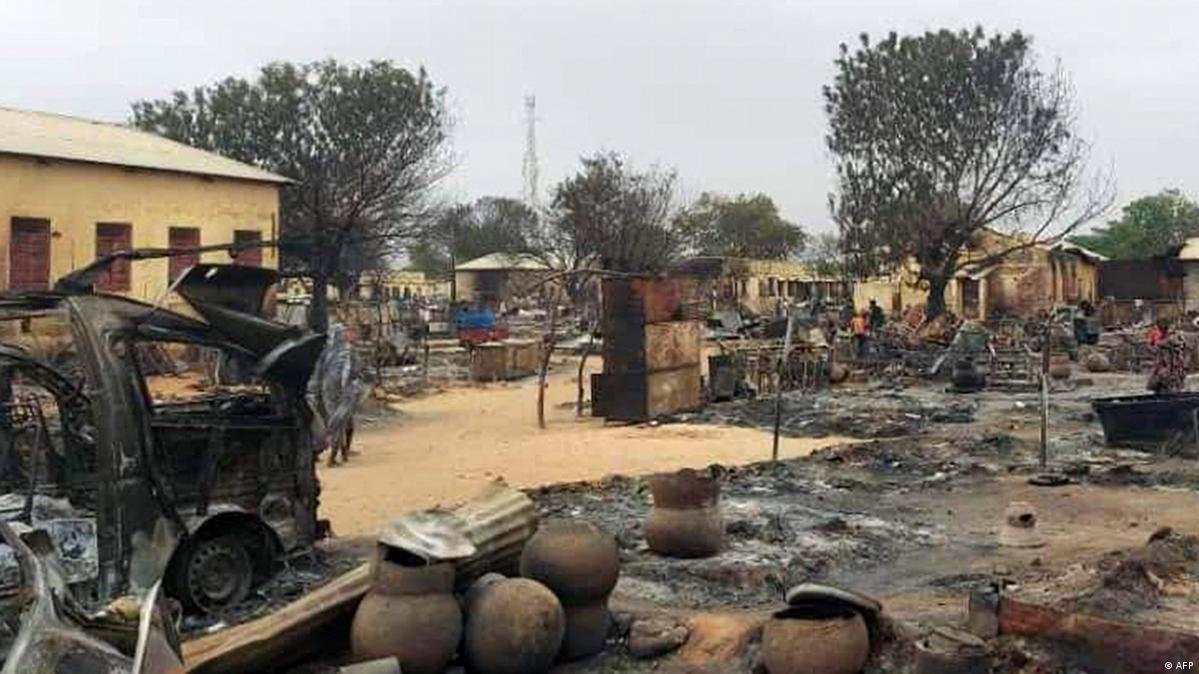
A new report by Reporters Without Borders has uncovered horrific practices carried out by the M23 group in eastern Democratic Republic of Congo, where many civilians have been detained in containers under harsh and inhumane conditions. This revelation follows the group's seizure of the city of Goma in January 2025, raising international concerns about human rights in the region.
The report published by the organization highlights severe violations faced by civilians, who have been held in cramped containers lacking basic necessities for life. Some detainees described this area as the "valley of death," referring to the horrific conditions they endure.
Details of the Incident
Reports of violations committed by the M23 group have increased since it took control of the city of Goma, one of the largest cities in eastern Congo. Eyewitnesses reported that the armed group has locked many civilians in shipping containers, leading to outbreaks of diseases and shortages of food and water. These practices are part of a series of violations witnessed in the region, which include killings, torture, and arbitrary arrests.
These events come against the backdrop of a long-standing conflict in eastern Congo, where several armed groups are vying for control over the region's rich natural resources. This conflict has resulted in the displacement of millions of people, further complicating the humanitarian situation.
Background & Context
Historically, the Democratic Republic of Congo has experienced multiple conflicts for decades, with eastern regions of the country being a hotspot for armed tensions. Factors such as poverty, corruption, and ethnic conflicts have exacerbated the situation. The M23 group, formed in 2012, accuses the Congolese government of failing to honor previous agreements, leading to renewed fighting in the region.
The city of Goma is strategically significant, located near the borders with Rwanda and Uganda, making it an attractive point for armed groups. The city has witnessed several attacks in recent years, resulting in deteriorating security and humanitarian conditions.
Impact & Consequences
Reports indicate that the violations committed by the M23 group could exacerbate the humanitarian situation in the region, where residents suffer from severe shortages of food, water, and healthcare. Additionally, these events may affect regional stability, as there are fears that they could escalate conflicts between neighboring countries.
Moreover, these violations could provoke strong international reactions, with human rights organizations and major countries likely to intervene to pressure the Congolese government and the armed group to put an end to these practices. The international community is also called upon to provide humanitarian support to those affected by these events.
Regional Significance
The situation in the Democratic Republic of Congo is of particular importance to the Arab region, as it could impact the food and economic security of Arab countries. Armed conflicts in Africa may lead to illegal migration flows towards Arab states, increasing the challenges these countries face.
In conclusion, the recent events in eastern Congo highlight the urgent need for international intervention to protect human rights and ensure the safety of civilians. The international community must act swiftly to put an end to these violations and ensure necessary support is provided to those affected.