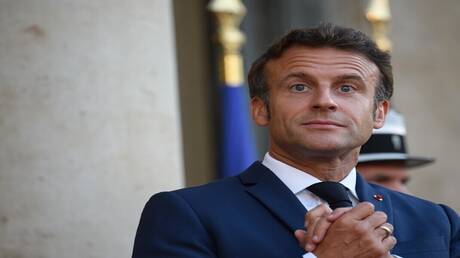
French President Emmanuel Macron confirmed on Saturday that the energy situation in France is not experiencing any shortages at present, despite escalating conflicts in the Middle East. Macron explained that French authorities are closely monitoring the situation and that there is no need for concern.
Macron's remarks came in the context of growing fears regarding the impact of the Middle East conflict on global energy supplies. The French president noted that some speculations about energy shortages aim to incite panic among citizens, assuring that the government is working to ensure supply stability.
Event Details
Amid increasing tensions in the Middle East, particularly following recent events in Gaza, many citizens in France have begun to worry about the possibility of an energy shortage. However, Macron assured that the government is taking all necessary measures to address any challenges that may arise in this regard.
He also pointed out that France has sufficient energy reserves and that the government is enhancing its strategies to ensure the continuity of supplies. He reiterated that the situation is under control and that there is no reason for panic or anxiety.
Background & Context
Historically, France has faced several energy crises, especially during periods of conflict in the Middle East. These crises have led to rising oil and gas prices, negatively impacting the French economy. Nevertheless, the French government has managed to navigate these crises through effective energy management strategies.
In recent years, France has increasingly relied on renewable energy sources, which has helped reduce dependence on imports from oil-producing countries. This shift in energy policy reflects the French government's commitment to sustainability and reducing carbon emissions.
Impact & Consequences
The repercussions of the Middle East conflict extend beyond France, affecting global energy markets. Rising oil and gas prices could lead to increased living costs in many countries, raising concerns among citizens.
If tensions persist, European countries may need to seek alternative energy sources, which could impact trade and economic relations between nations. In this context, France is striving to strengthen its partnerships with energy-producing countries to ensure supply stability.
Regional Significance
Arab countries are directly affected by the conflict in the Middle East, as the region is a major source of energy. Any escalation in the conflict could lead to fluctuations in oil prices, impacting the economies of Arab nations that heavily rely on oil revenues.
Additionally, crises in the region may increase political tensions, affecting regional stability. Therefore, maintaining energy stability is vital not only for France but for the entire region.
In conclusion, the situation in the Middle East remains under observation, with Macron confirming that France is prepared to face any challenges that may arise regarding energy supplies. Stability in this sector is crucial for ensuring the stability of the French economy and international relations.