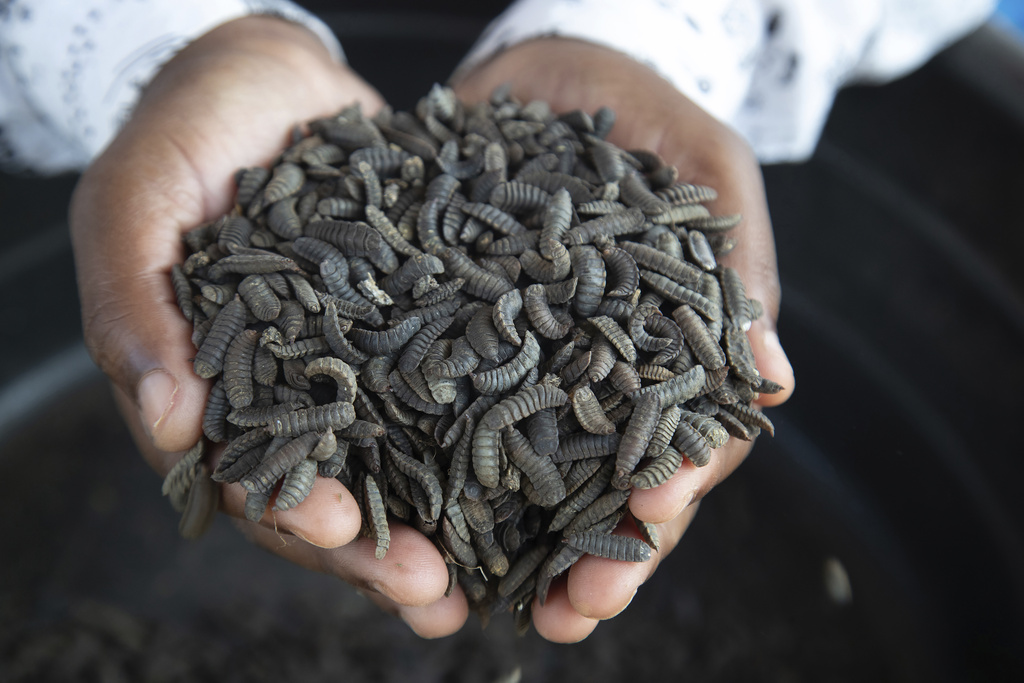
Residents of the Mariso area in Makassar, Indonesia, have announced the launch of a project to breed maggot worms, creating new economic opportunities while addressing waste management issues. The project, initiated in the Rusunawa area, aims to convert organic waste into high-value products, contributing to the improvement of local living conditions.
In this context, Mohammad Saleh, the head of the KSM group managing the project, stated, "The waste problems that once posed a significant challenge have now become an economic opportunity. We are working on processing organic waste using maggot worms, which are known for their ability to consume large amounts of waste daily."
Event Details
Maggot worms can consume between 2 to 5 times their weight in organic waste daily, making them an effective solution to the waste problem. Additionally, these worms produce kasgot, a type of organic fertilizer that can be used in agriculture. This system not only helps reduce the volume of waste but also provides economically valuable products.
Organic waste such as food scraps, vegetables, and fruits serve as the primary source of nutrition for maggot worms, allowing residents to utilize household waste productively. Furthermore, the demand for maggot worms in the market is increasing, particularly in the fields of fish and poultry farming, where they are considered a rich source of protein.
Background & Context
The city of Makassar faces significant challenges in waste management, producing approximately 800 to 1000 tons of waste annually. This situation has prompted local residents to seek innovative solutions to address the problem. The maggot breeding project is considered the first of its kind in Makassar and has the potential to serve as a model for other regions in Indonesia.
It is worth noting that breeding maggot worms is not a new concept; it has been utilized in several countries as an effective means of waste disposal and providing sustainable food sources. With the increasing environmental awareness, this type of project is gaining more attention worldwide.
Impact & Consequences
The maggot breeding project represents a positive step towards achieving sustainable development in the Mariso area. By converting waste into valuable products, the project contributes to improving the economic conditions of residents and enhances environmental awareness. Additionally, such projects can help reduce pressure on landfills, aiding in environmental conservation.
Moreover, involving the local community, especially women, in the waste sorting process is a crucial step in promoting environmental awareness and opening new job opportunities. This type of project demonstrates how local communities can play an active role in addressing environmental and economic challenges.
Regional Significance
The maggot breeding project can serve as a model for Arab countries, where many cities face similar challenges in waste management. Such initiatives could enhance local economies and create new job opportunities, thereby improving living conditions for residents.
In light of increasing environmental challenges, innovation in waste management is essential. Arab countries can benefit from experiences like this to develop sustainable solutions that bolster the economy and improve the environment.