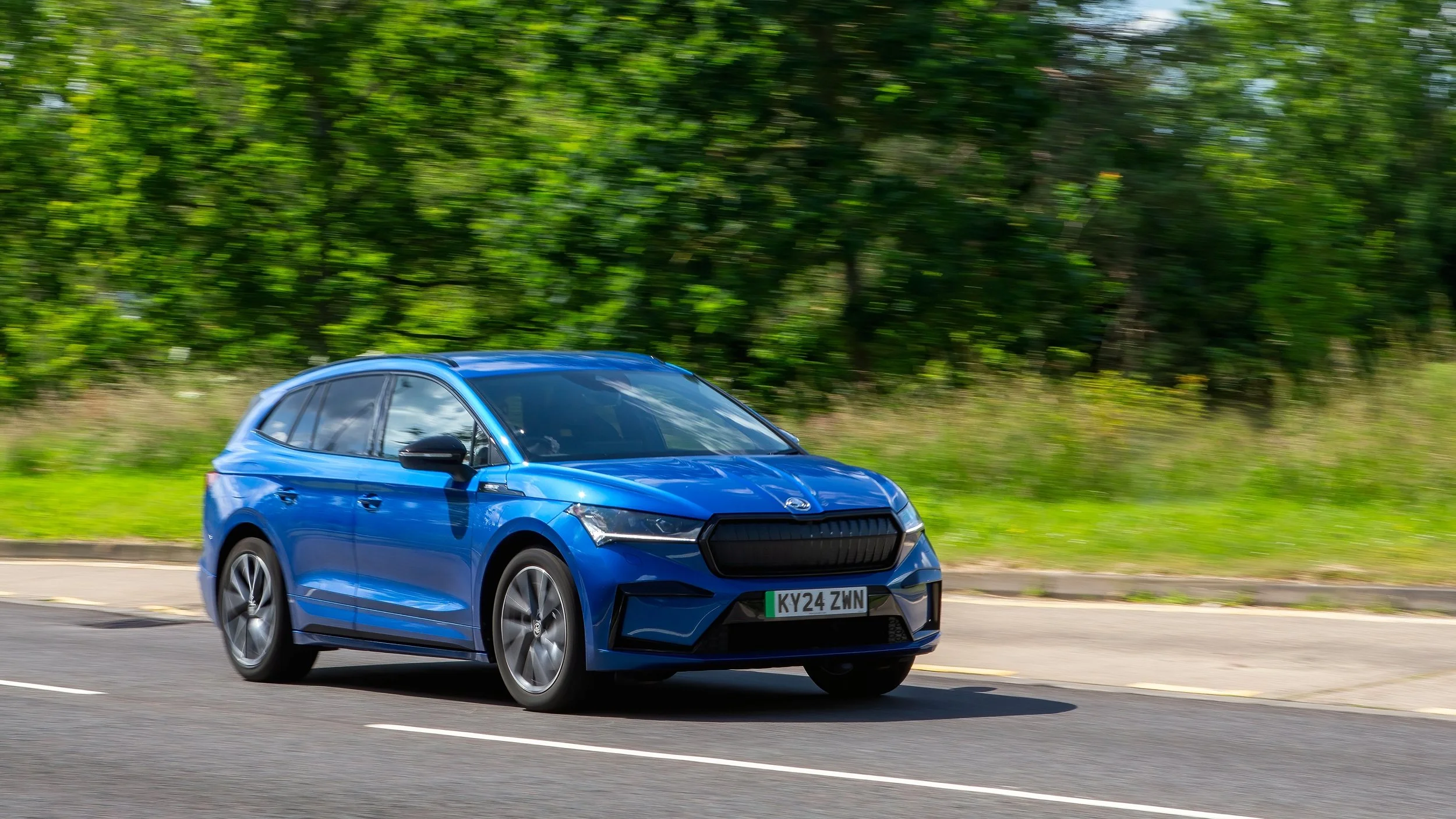
Predictions indicate that March 2026 will be a pivotal moment for global electric vehicle adoption. This shift comes amid increasing environmental and economic pressures to reduce reliance on fossil fuels. It is expected that this date will witness a significant increase in electric vehicle production, potentially leading to a radical change in global automotive markets.
Investments in electric vehicle technology are on the rise, as major companies strive to boost their production of these vehicles. Additionally, governments worldwide are adopting incentive policies to support this trend, making it likely that electric vehicles will become the top choice for consumers in the coming years.
Details of the Event
In recent years, the electric vehicle industry has experienced unprecedented growth. According to industry reports, it is expected that electric vehicles will account for over 30% of total new car sales by 2026. This shift reflects changes in consumer behavior, as people have become more aware of the importance of sustainability and the environment.
Many countries, including the United States and Europe, have set ambitious targets to phase out fossil fuel-powered vehicles. These policies will enhance the demand for electric vehicles, making March 2026 a critical date in this context.
Background & Context
Historically, electric vehicles have struggled with a lack of infrastructure and charging options, limiting their spread. However, with technological advancements and the expansion of charging networks, electric vehicles have become more appealing to consumers. In recent years, governments and companies have invested heavily in developing this infrastructure, contributing to the increased reliance on these vehicles.
Furthermore, the growing awareness of climate change and its impact on the environment has prompted many countries to take stringent measures to reduce carbon emissions. This trend aligns with the global shift towards renewable energy sources, enhancing the prospects for electric vehicles in the market.
Impact & Consequences
This shift is expected to have far-reaching effects on the global economy. The increased adoption of electric vehicles will change the dynamics of the oil market, as demand for fossil fuels may decline significantly. This situation could impact oil-producing countries, necessitating a reevaluation of their economic strategies.
Moreover, the transition to electric vehicles will create new job opportunities in areas such as battery manufacturing and charging technology. Additionally, this new industry will require specialized skills, indicating a need for new training programs to prepare the workforce.
Regional Significance
For the Arab region, this shift could have significant implications for the economies of oil-producing countries. As reliance on electric vehicles increases, these countries may face challenges in maintaining the stability of their economies, which heavily depend on oil revenues. Therefore, it is crucial for these nations to begin diversifying their economies and investing more in renewable energy sources.
There are also substantial opportunities for Arab countries in the electric vehicle manufacturing sector, as they could become a regional hub for producing these vehicles. This endeavor requires significant investments in infrastructure and technology, but it could open new avenues for economic growth in the region.
In conclusion, March 2026 appears to be a critical turning point in the history of the electric vehicle industry. With the global trend towards sustainability, we may witness radical changes in how individuals commute and the impact this will have on the global economy and the environment.