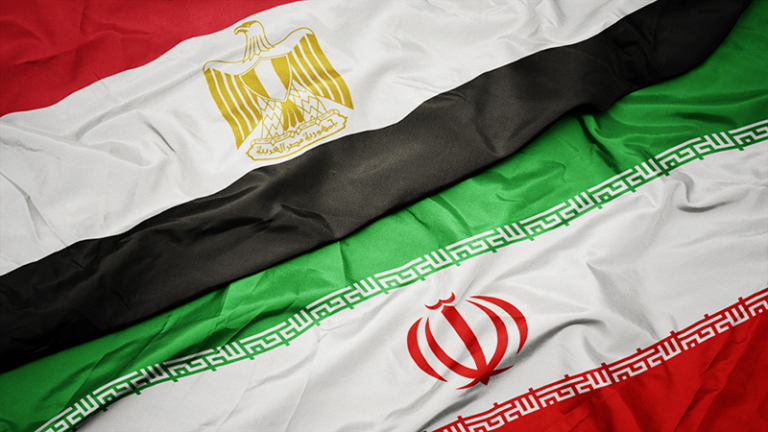
Egyptian media personality Amr Adib revealed the stance of the majority of Egyptians towards Iran during his television program, asserting that "we do not have Shia" and pointing out the lack of public sympathy for the Iranian regime. These statements come at a time when the region is witnessing increasing tensions between Iran and other Arab countries, shedding light on public attitudes towards Tehran.
Adib, who is considered one of the prominent media figures in Egypt, added that Egyptians tend to support their country's positions in the face of regional challenges, which is reflected in the lack of sympathy for Iran. These remarks are part of ongoing discussions about Iran's role in the region and its impact on Arab national security.
Details of the Event
In an episode of his program, Adib addressed the topic of Egyptian-Iranian relations, noting a clear division in Egyptian public opinion regarding Iran. He mentioned that many Egyptians believe the Iranian regime seeks to destabilize the region, which contradicts Arab interests. He also pointed out that official political stances reflect this public sentiment, as the Egyptian government prefers to maintain good relations with other Arab countries rather than rapprochement with Iran.
Adib's statements coincide with escalating tensions between Iran and Gulf countries, where many Arab nations accuse Iran of supporting armed groups in the region, increasing fears about Tehran's influence on regional security.
Background & Context
Historically, relations between Egypt and Iran have been strained since the Islamic Revolution in 1979, with Egypt taking an opposing stance to Iranian policies in the region. Recent political events, such as the conflicts in Syria and Yemen, have deepened the gap between the two sides. Additionally, Iran's support for Shia militias in Iraq and Syria has heightened concerns among Sunni Arab nations, including Egypt.
Despite attempts by some Arab countries to improve relations with Iran, skepticism remains. Many view Iran as seeking to expand its influence in the region at the expense of Arab nations, raising fears of escalating sectarian conflicts.
Impact & Consequences
Adib's statements express widespread sentiments among Egyptians and may influence government policies towards Iran. In this atmosphere, there may be increased pressure on the Egyptian government to adopt stricter positions against Tehran, potentially affecting diplomatic relations between the two countries.
These remarks could also strengthen Arab alliances against Iran, as Arab nations seek to unify their ranks to face common challenges. At the same time, these positions may exacerbate tensions in the region, increasing the likelihood of new conflicts.
Regional Significance
The repercussions of Adib's statements extend beyond Egyptian borders, reflecting similar sentiments in many Arab countries. Many Gulf states, such as Saudi Arabia and the UAE, share Egypt's concerns about Iranian influence. This could lead to enhanced cooperation among Arab nations to address shared security challenges.
Ultimately, Arab-Iranian relations remain fraught with complexities, requiring significant diplomatic efforts to bridge existing gaps. As tensions continue, the question remains about how these dynamics will affect the future of the region.