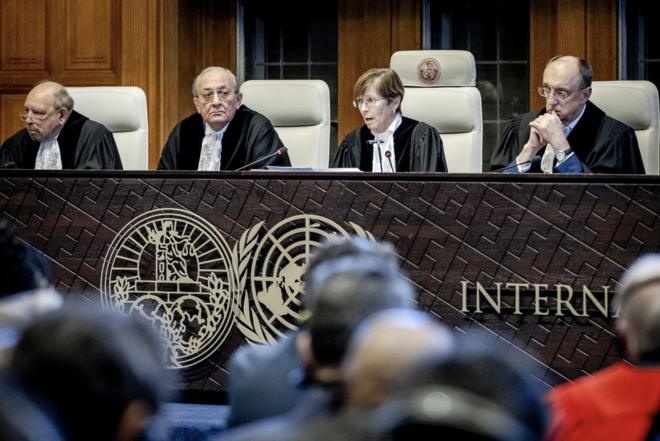
A majority of member states in the International Criminal Court (ICC) executive office, which consists of 21 countries, support the findings of a judicial committee that acquitted prosecutor Karim Khan of any misconduct. This report comes after Middle East Eye revealed that a panel of three judges concluded that the UN investigation into allegations of sexual misconduct found no "violations or breaches of duty" on Khan's part.
The report also indicated that a minority of states within the executive office of the Assembly of States Parties, the governing body of the court, are calling for the judges' report to be disregarded and for the Assembly to draw its own conclusions from the investigation conducted by the UN Office of Internal Oversight Services.
Details of the Event
According to multiple diplomatic sources, the majority of states wish to follow the judges' conclusions, while some oppose this. These divisions within the executive office may reflect political tensions among member states, as some seek to influence the outcomes of investigations in line with their interests.
Since May 2025, Karim Khan has been on leave from his position as ICC prosecutor, awaiting the results of the misconduct investigation. This situation has raised questions about the court's independence and its effectiveness in the face of political pressures.
Background & Context
The ICC was established in 2002 as the first permanent international court to prosecute individuals for war crimes, genocide, and crimes against humanity. Since then, the court has faced significant challenges, including criticisms from some major countries that accuse it of bias.
In recent years, pressures on the court have increased, particularly from countries seeking to undermine its authority. Investigations into allegations of misconduct against senior officials, such as Karim Khan, could affect the court's reputation and weaken member states' confidence in it.
Impact & Consequences
The implications of this report extend beyond the ICC, as it could affect how the international community addresses human rights issues. If the judges' report is ignored, it may open the door to further political interventions in the court's affairs, potentially undermining its independence.
Furthermore, the support of the majority of states for the acquittal report may bolster Karim Khan's position and restore his confidence in his role, which could influence how future cases related to war crimes and serious human rights violations are managed.
Regional Significance
In the Arab region, where many countries are suffering from armed conflicts and serious human rights violations, this development is significant. If the court continues to face political pressures, it may impact its ability to hold accountable those responsible for crimes in Arab countries.
Moreover, the support of states for the acquittal report may encourage some regimes to disregard their international human rights obligations, potentially exacerbating conditions in conflict areas.
In conclusion, the future of Karim Khan and the ICC hangs in the balance of power among member states, and whether they will choose to support the court's independence or yield to political pressures.