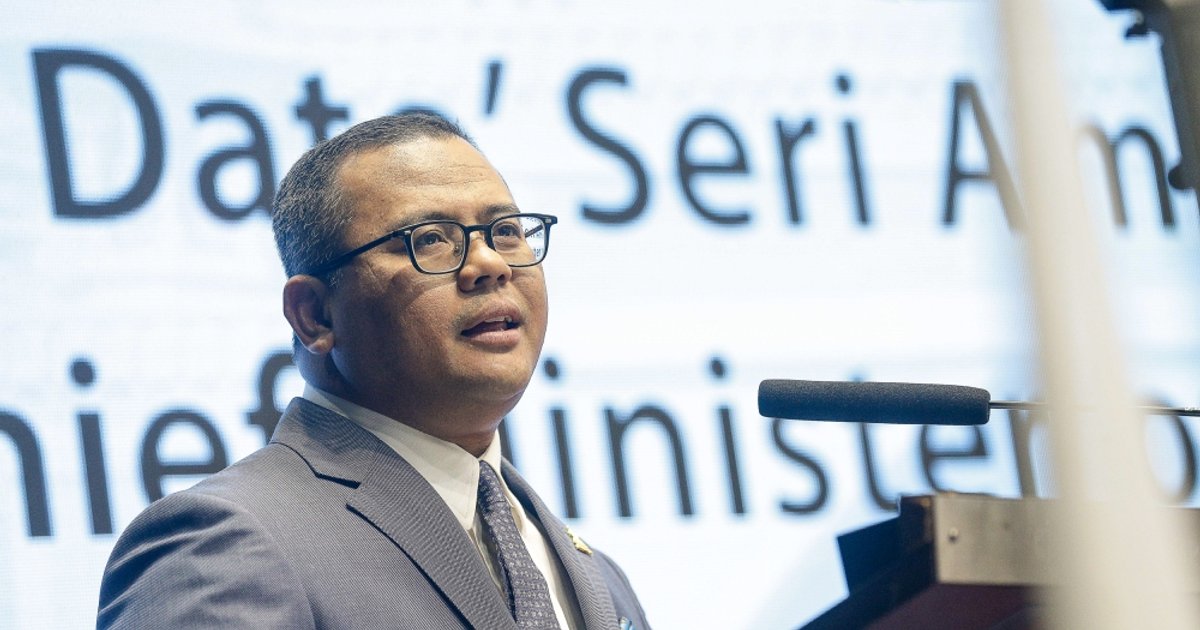
In a move aimed at boosting the local automotive sector, the Malaysian Ministry of Investment, Trade and Industry (Miti) has confirmed that it does not impose any unfavorable conditions on car manufacturers, including the Chinese company BYD. This was stated by Minister Dato Seri Johari Abdul Ghani, who clarified that the conditions imposed apply to all new investments in the automotive sector since September 2025.
These remarks follow reports indicating that BYD is reevaluating its plans to establish a local assembly plant in the Tanjong Malim area of Perak, suggesting that the government has imposed unfavorable conditions. The minister emphasized that these conditions are non-discriminatory and apply equally to all major car assembly projects regardless of brand or country of origin.
Details of the Conditions Imposed
The minister explained that the aim of these conditions is to ensure the transition of local assembly capabilities towards higher value market sectors and to avoid displacing the existing supplier ecosystem. He noted that the conditions include a stipulation for an export ratio of 80% of BYD's production, requiring that local sales do not exceed 10,000 units annually, which represents 20% of the expected total production capacity.
The minister also denied rumors that there is a condition stating that only 20% of BYD's production can be sold locally and that these vehicles must be priced above 200,000 Malaysian Ringgit. He confirmed that the imposed condition is a minimum price for local vehicles set at 100,000 Malaysian Ringgit, ensuring that local assembly focuses on higher value sectors.
Background & Context
Historically, the automotive sector in Malaysia has seen significant growth, with the government seeking to enhance local production and attract foreign investments. Since 2022, temporary price reductions have been introduced for imported electric vehicles, contributing to the increased adoption of these vehicles in the Malaysian market. The Malaysian government is also striving to achieve a trade balance by encouraging exports.
In this context, BYD is one of the leading Chinese companies in the electric vehicle sector and received a temporary manufacturing license in Malaysia in September 2025. The Chinese company Chery also obtained a manufacturing license in June 2025, demonstrating the Malaysian government's openness to Chinese investments in this sector.
Impact & Consequences
This policy is considered a strategic step aimed at enhancing the competitiveness of the local sector, as the government seeks to attract more foreign investments while safeguarding the interests of local companies. By imposing export conditions, the government hopes to improve the trade balance and enhance integration within global supply chains.
These conditions may also influence the decisions of other companies considering investing in Malaysia, as they will need to adapt to these requirements to ensure success in the market. This could open the door to increased competition in the Malaysian market, benefiting consumers.
Regional Significance
In light of the global shift towards electric vehicles, Malaysia's experience could serve as a model for Arab countries seeking to enhance their electric vehicle sector. Arab nations could benefit from Malaysia's experiences in attracting foreign investments and developing policies that encourage local production.
In conclusion, these developments in Malaysia reflect global trends towards sustainability and innovation in the automotive industry, opening new avenues for cooperation among countries in this field.