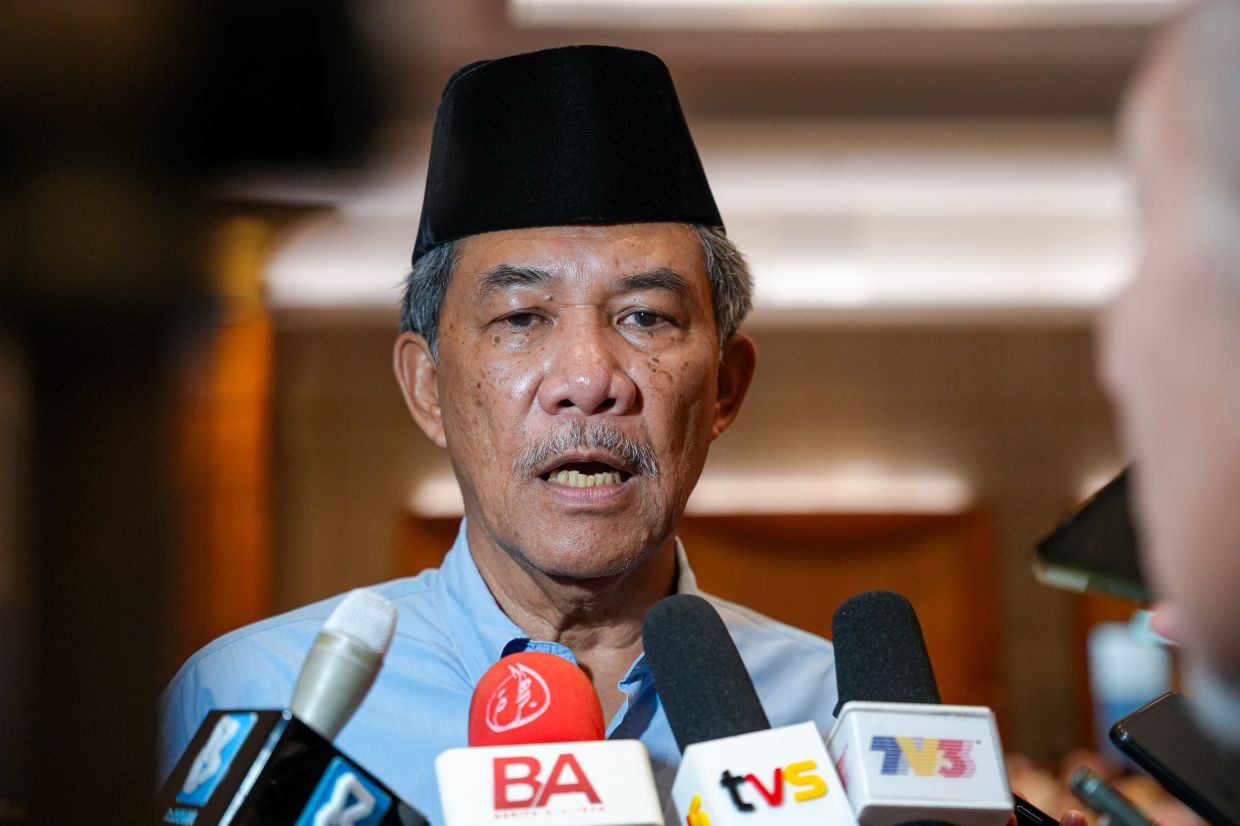
Malaysia has announced it will send a diplomatic note to the Philippine government to reject any claims regarding the state of Sabah. This decision was made public by Minister Datuk Seri Mohamad Hasan during a press conference in Rembau. This announcement comes at a time when tensions between the two countries are escalating over this historical issue.
The state of Sabah, located in northern Borneo, has been a subject of dispute between Malaysia and the Philippines for decades. The Philippines claims that the state was part of its historical territory, while Malaysia asserts its sovereignty over it since it became a British colony in the 19th century.
Details of the Announcement
In his statements, Datuk Seri Mohamad Hasan emphasized that the Malaysian government will not compromise in defending its sovereignty over Sabah, indicating that this note serves as an official step to reaffirm Malaysia's steadfast position. He also added that the Malaysian government hopes the Philippine government will understand its stance and seek a peaceful resolution to the issue.
This move follows a series of Philippine statements that have revived historical claims regarding Sabah, raising concerns within the Malaysian government. Hasan pointed out that Malaysia will continue to strengthen its relations with the Philippines, but it will not concede its sovereign rights.
Background & Context
The roots of the dispute over Sabah date back to the 17th century when the Sultan of Sulu in the Philippines granted the lands of Sabah to a British company. Since then, Sabah became part of a British colony, and in 1963, it joined the Malaysian Federation. However, the Philippines still claims that Sabah is part of its territory, leading to ongoing tensions between the two countries.
Over the years, successive Philippine governments have attempted to revive claims over Sabah, resulting in diplomatic tensions. Relations between the two countries have improved in recent years, but these Philippine claims could reverse that progress.
Impact & Consequences
Analyses suggest that this step by Malaysia could escalate tensions between the two countries, potentially affecting economic and political relations. Malaysia and the Philippines have shared interests in trade and security, and any escalation in the dispute could negatively impact these interests.
This issue could also affect regional stability, as border disputes can lead to greater tensions between neighboring countries. This situation may require international intervention or mediation by regional organizations such as the Association of Southeast Asian Nations (ASEAN).
Regional Significance
Considering the Arab relations with Southeast Asian countries, disputes like this could impact Arab investments in the region. Malaysia is one of the preferred destinations for Arab investment, and any tensions could affect the flow of investments.
Moreover, Arab countries seeking to enhance their relations with Southeast Asian nations may find themselves in a difficult position if tensions between Malaysia and the Philippines persist. Therefore, monitoring the developments of this dispute will be crucial for Arab nations aiming to strengthen their economic partnerships with these countries.