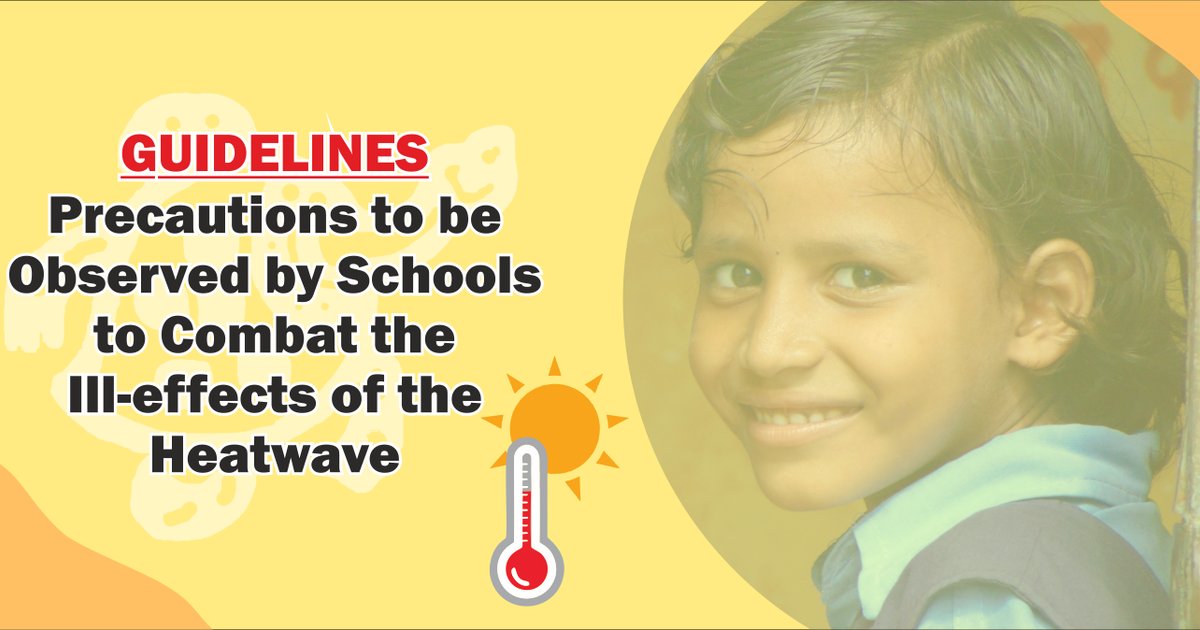
The Malaysian Ministry of Health issued a set of guidelines on March 28, 2023, aimed at protecting citizens from health risks linked to the ongoing heatwave. The ministry called on the public to minimize physical activities and limit the time spent outdoors as a primary means of alleviating the effects of high temperatures.
In an official statement, the ministry emphasized the importance of staying hydrated by drinking sufficient amounts of water, regardless of physical activity levels. It also warned against sitting in parked cars, stressing the need to avoid leaving children alone inside vehicles to prevent the risks of heatstroke or serious health complications.
Details of the Guidelines
The guidelines issued by the Malaysian Ministry of Health include six key points, among which is the use of fans or air conditioning during periods of high heat. The ministry also recommended wearing light and loose-fitting clothing in light colors, and using hats or umbrellas to protect themselves from direct sunlight.
These guidelines have been disseminated through short videos on the ministry's official social media platforms, including Twitter, Facebook, Instagram, and TikTok, to reach as many citizens as possible.
Background & Context
A heatwave is defined as a period of unusually high temperatures, with the Malaysian Ministry of Health identifying a heatwave as daily temperatures exceeding 37 degrees Celsius for three consecutive days. Recently, the country has experienced a noticeable rise in temperatures, necessitating the implementation of preventive measures.
Historically, Malaysia has faced previous heatwaves, but this current wave comes at a sensitive time as concerns grow about the impacts of climate change on public health. Studies have shown that rising temperatures can lead to an increase in cases of cardiovascular diseases, as well as negatively affecting mental health.
Impact & Consequences
These guidelines are crucial under the current circumstances, as heatwaves can lead to increased cases of heatstroke and dehydration. The Ministry of Health has confirmed that adherence to these guidelines can reduce potential health risks, especially among vulnerable groups such as children and the elderly.
Additionally, these measures may impact citizens' daily activities, requiring them to reassess and adapt their schedules to the new climatic conditions. This also necessitates the government taking further steps to ensure citizens' safety, such as providing cooling centers in the most affected areas.
Regional Significance
Heatwaves are a common phenomenon in many Arab countries, where the region experiences high temperatures during the summer. Therefore, Malaysia's experiences in dealing with heatwaves could serve as a model for Arab nations. It is essential for Arab governments to adopt similar strategies to protect citizens from health risks associated with heat.
In conclusion, the importance of community awareness and cooperation between the government and citizens in facing climate challenges is highlighted. These guidelines should serve as a call for everyone to exercise caution and take necessary precautions to maintain their health and safety.