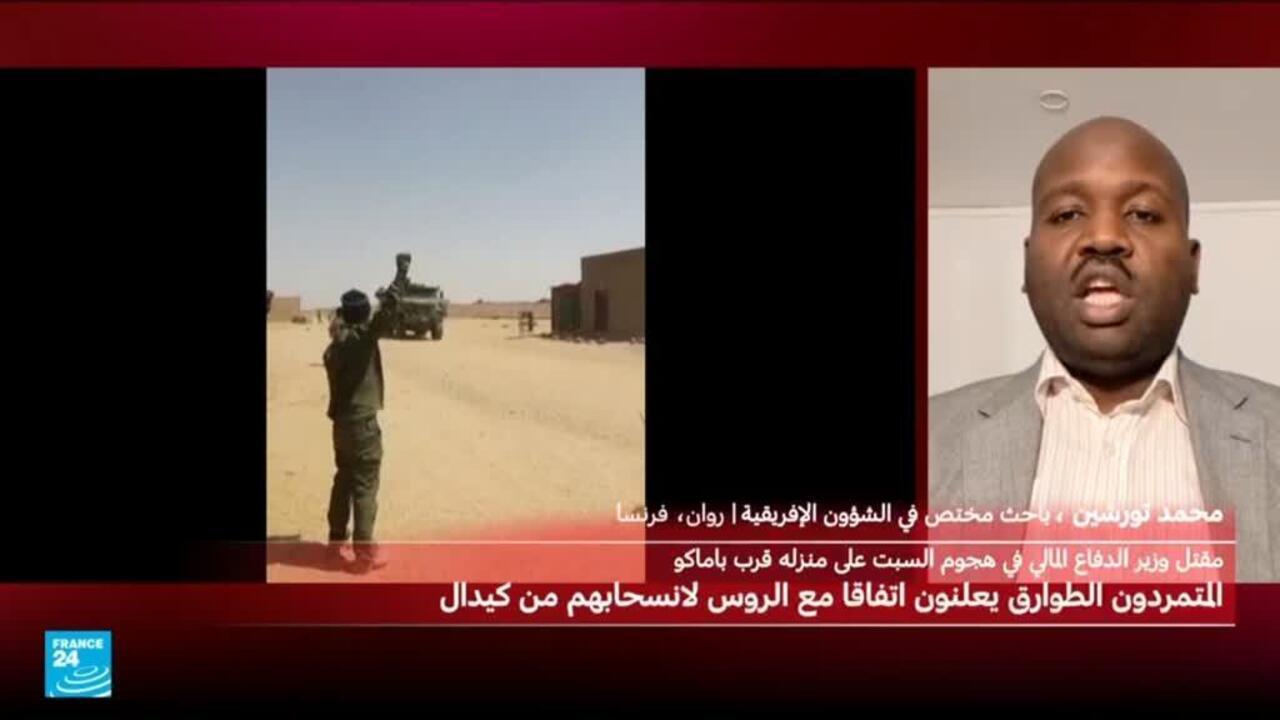
Mali is currently witnessing rapid political and security developments, as internal tensions have escalated due to conflicts between armed groups and local authorities. These events raise questions about their impact on the internal situation in the country and regional stability, potentially reshaping the political landscape in the area.
In light of these circumstances, the transitional government in Mali has announced new measures aimed at enhancing security and stability, including cooperation with international partners. However, the biggest challenge remains how to deal with armed groups that continue to threaten security in the country.
Details of the Events
The situation in Mali continues to evolve following a surge in violence in the northern part of the country, where attacks by extremist groups have increased. Reports indicate that the transitional government is seeking to bolster its military capabilities through external support, including assistance from Russia and other nations.
The deteriorating security situation in Mali directly affects the lives of citizens, with many suffering from food insecurity and displacement. Studies have shown that over 5 million people in Mali are in urgent need of humanitarian assistance.
Background & Context
Historically, Mali has experienced a series of military coups and ethnic conflicts, leading to the disintegration of the state and a decline in security conditions. Since 2012, the intensity of conflicts in the north has escalated, with armed groups exploiting political chaos to achieve their objectives.
In recent years, the transitional government has attempted to regain control of the country through new partnerships, yet security challenges remain persistent. These conditions have affected relations with neighboring countries, complicating the regional landscape further.
Impact & Consequences
The repercussions of events in Mali extend beyond its borders, affecting regional stability in the African Sahel. As the activity of armed groups increases, concerns grow about the spread of violence to neighboring countries such as Niger and Burkina Faso.
Moreover, these developments may impact the counter-terrorism efforts undertaken by Western nations in the region, as these countries may need to reassess their security strategies. At the same time, fears are rising regarding the influx of refugees into neighboring countries, adding new burdens to those nations.
Regional Significance
Considering the potential impact on the Arab region, events in Mali could lead to heightened tensions in North African countries, where extremist groups may exploit chaos to achieve their goals. This situation necessitates greater attention from Arab nations to monitor the situation in Mali and work towards supporting stability in the region.
In conclusion, developments in Mali remain a critical issue that requires close monitoring by the international community, as the stability of the country is not only vital for its internal security but also for the stability of the entire region.