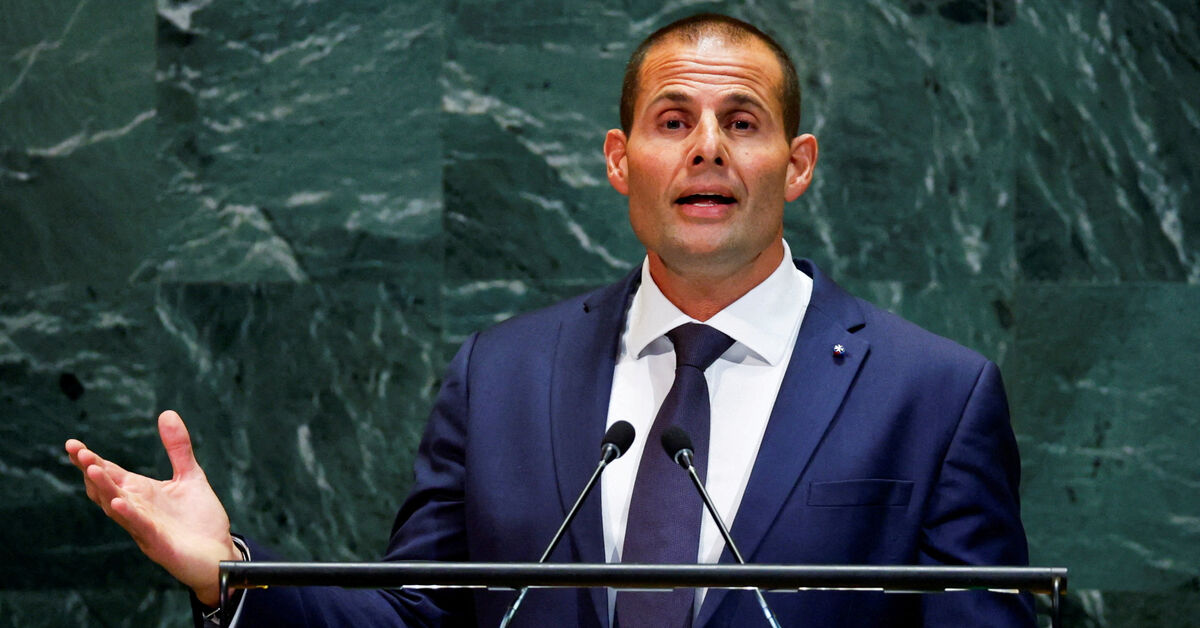
Malta's Prime Minister, Robert Abela, has announced early parliamentary elections scheduled for May 30, a year prior to the conclusion of his five-year term. This announcement was made during a televised address, where Abela noted that the coming months will be "crucial" given the volatile international situation, necessitating a government capable of prioritizing stability.
This move comes at a time when the region and the world are experiencing increasing tensions, particularly with the escalation of conflict in Iran and its potential impacts on Mediterranean countries. This decision is seen as an attempt by the Maltese government to bolster its political standing and affirm its ability to manage crises.
Details of the Event
The parliamentary elections in Malta are significant, as political parties compete for seats in parliament. Abela indicated that the current government needs to renew its popular mandate to ensure the country's stability amid changing global circumstances. This announcement follows a period of relative stability in Malta, where the government has managed to achieve some economic and social milestones.
The upcoming elections are expected to witness fierce competition among parties, each striving to present its vision for addressing current challenges. Issues related to migration, the economy, and security will be central to the electoral campaigns.
Background & Context
Historically, Malta has held early parliamentary elections on several occasions, often reflecting shifts in the public mood. With rising tensions in the region, it has become imperative for the government to adopt a clear policy that ensures the country's stability. Additionally, the situation in Iran, which is experiencing heightened conflict, may directly impact security in the Mediterranean.
Malta is a crucial transit point in the Mediterranean, making it susceptible to external influences. Therefore, the upcoming elections could have significant ramifications for the country's domestic and foreign policies.
Impact & Consequences
The outcomes of the parliamentary elections could affect Malta's foreign relations, particularly with neighboring countries. If the ruling party wins, it may continue its current approach, whereas a victory for an opposition party could lead to changes in foreign policy, especially regarding migration and security issues.
Moreover, the elections could impact the local economy, as investors seek political stability before making decisions. Thus, the election results will be closely watched by many countries that engage with Malta.
Regional Significance
The interests of Arab countries are closely tied to stability in the Mediterranean, with Malta being part of this context. Any political changes in Malta could affect trade and security relations with Arab nations, particularly those that rely on the Mediterranean as a trade route.
Furthermore, the situation in Iran and its impact on regional security may reflect on policies in Malta, necessitating careful monitoring by Arab states.
The early parliamentary elections in Malta represent an opportunity to renew trust in the government while simultaneously testing its ability to confront international challenges. It will be essential to follow the results of these elections and their implications for the region.