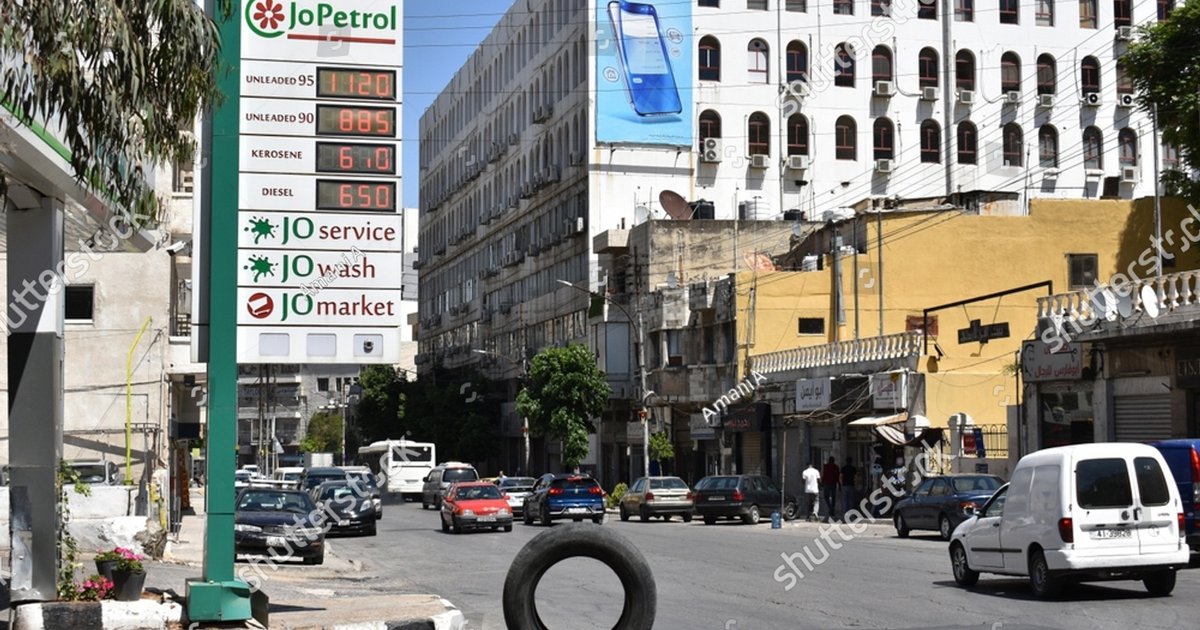
The Jordanian Ministry of Energy and Mineral Resources has announced a new decision aimed at enhancing the stability of fuel supplies in the kingdom. All fuel stations are now required to maintain a minimum of 40% of strategic stock to ensure that local market needs are met during times of crisis.
This decision is part of the Jordanian government's efforts to bolster energy security and ensure the continuous supply of fuel to citizens, especially amid the economic and environmental challenges facing the country. The ministry has confirmed that this measure will help mitigate the impact of any potential supply disruptions.
Details of the New Regulations
The new measures announced by the ministry also include mechanisms for monitoring compliance by fuel stations regarding the required stock levels. Regular inspections will be conducted to ensure the necessary quantities are available, along with penalties imposed on stations that fail to comply with this decision. This initiative is part of a comprehensive strategy aimed at improving energy resource management in Jordan.
The ministry also pointed out that this step comes at a time when global oil prices are experiencing significant fluctuations, affecting the local market. Compliance with the strategic stock requirement is expected to contribute to price stability and ensure fuel availability for consumers.
Background & Context
Historically, Jordan has faced challenges in securing energy supplies, heavily relying on the import of oil and gas. Regional crises and political tensions have led to fluctuations in supply and fuel prices. Therefore, this step is considered part of the Jordanian government's efforts to enhance the country's energy independence.
Jordan is also striving to diversify its energy sources by investing in renewable energy, including solar and wind power. However, securing traditional fuel supplies remains crucial at this time.
Impact & Consequences
This decision is expected to improve the stability of the local market, potentially reducing the severity of economic crises that may arise from fuel shortages. Additionally, adherence to the strategic stock requirement may enhance citizens' confidence in the government's ability to manage energy resources effectively.
Nonetheless, the biggest challenge remains how to deal with global price fluctuations, as any increase in prices could negatively impact the local economy. Therefore, the government is required to closely monitor the market and take necessary measures to protect consumers.
Regional Significance
This step serves as a model that other Arab countries facing similar challenges in securing energy supplies can follow. Many countries in the region heavily rely on fuel imports, making them susceptible to price fluctuations and regional crises.
Moreover, enhancing strategic stockpiles can contribute to improving energy security in the region, thereby promoting economic and political stability. Thus, this initiative could mark the beginning of broader efforts to enhance cooperation among Arab countries in the energy sector.
In conclusion, the decision by the Jordanian Ministry of Energy and Mineral Resources represents an important step towards strengthening the country's energy security. As economic and environmental challenges continue, it remains essential for Arab countries to adopt similar strategies to ensure stable energy supplies.