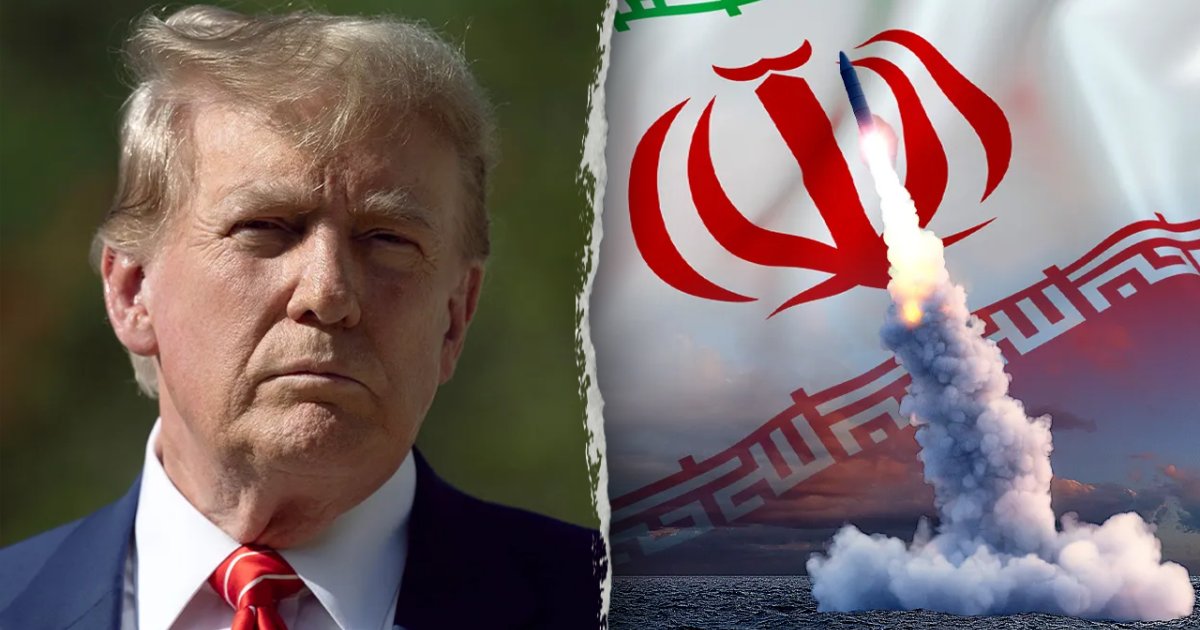
Concerns are rising in financial markets as U.S. President Donald Trump continues to issue conflicting statements regarding the situation in Iran, prompting investors to ignore these remarks and focus on tangible realities affecting economic stability. Eric Albert, an economic journalist at Le Monde, noted that financial markets are no longer taking into account Trump's contradictory words, but are instead focusing on the factual data that impacts economic stability.
Amid escalating tensions in the Middle East, it appears that investors prefer to rely on concrete facts rather than conflicting political statements. Recently, financial markets have experienced significant volatility, with oil prices dropping sharply, reflecting increasing anxiety over the potential escalation of military conflict in the region.
Event Details
These developments come at a sensitive time, as fears of a new war in the Middle East are growing, especially with the contradictory statements from the U.S. administration regarding its intentions toward Iran. Trump has repeatedly emphasized the need for a tough stance against Iran, yet the details of these positions are often unclear, leading to uncertainty in the markets.
This inconsistency in statements negatively affects investor confidence, as they feel they are facing an unstable political landscape. Recent economic data has shown that many investors are beginning to reduce their investments in U.S. markets, which adds pressure to the American economy.
Background & Context
Historically, the United States has played a pivotal role in shaping economic policies in the Middle East. However, the current tensions between the U.S. and Iran could lead to radical changes in this role. Relations between the two countries have deteriorated significantly since the U.S. withdrawal from the Iranian nuclear deal in 2018, exacerbating military and political tensions.
In recent years, financial markets have experienced significant fluctuations due to political events in the region, where any statements or actions from the U.S. impact oil prices and global markets in general. Therefore, the instability in Iran could have far-reaching effects on the global economy.
Impact & Consequences
The repercussions of Trump's conflicting statements extend beyond financial markets, as they can also affect international relations. The lack of clarity in U.S. policy toward Iran could lead to heightened military tensions, increasing the likelihood of new conflicts in the region.
Moreover, the decline in investor confidence in U.S. markets could have negative consequences for American economic growth. As fears of instability rise, investors may turn to other, more stable markets, which could impact the value of the U.S. dollar and increase inflationary pressures.
Regional Significance
For Arab countries, the rising tensions in Iran have direct implications. Many Arab nations rely on stable oil prices, and any escalation in conflict could lead to a significant rise in prices, impacting the economies of these countries.
Additionally, instability in Iran may exacerbate sectarian tensions in the region, potentially escalating conflicts in countries like Iraq, Syria, and Lebanon. Thus, monitoring developments in this context is vital for Arab nations.
In conclusion, it seems that financial markets have chosen to ignore Trump's contradictory statements and focus on tangible realities. As tensions continue in the Middle East, investors need to prepare for further market fluctuations, as the situation in Iran could have long-term effects on the global economy.