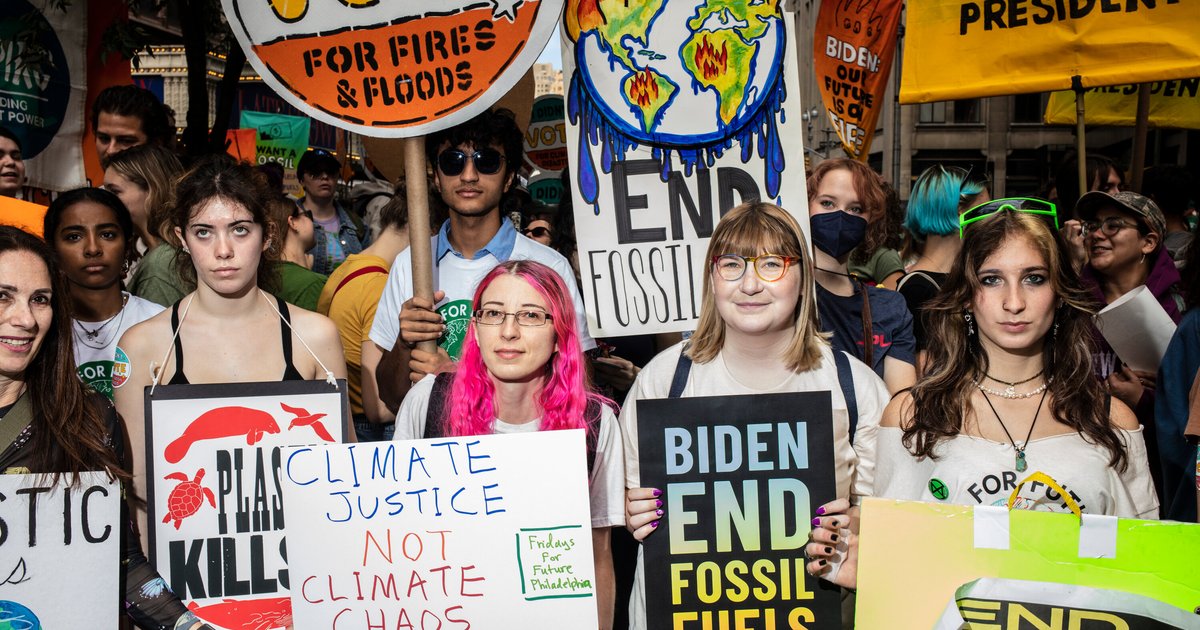
Protests continue in several countries around the world, with thousands taking to the streets in massive demonstrations expressing their dissatisfaction with current government policies. Major cities such as Paris, London, and New York have witnessed large gatherings, where protesters raised slogans calling for change and reform.
These protests arise amid growing public anger due to the economic and social crises affecting many nations. Reports indicate that demonstrators are demanding improvements in living conditions, job opportunities, and increased transparency in government management.
Event Details
In Paris, thousands gathered in the Place de la République, chanting slogans urging the government to listen to the people's demands. Similarly, London saw protests where demonstrators assembled outside the British Parliament, calling for radical changes in economic policies.
In the United States, protesters took to the streets in New York and Washington, where large marches were organized. Police used tear gas to disperse some groups that attempted to breach permitted boundaries.
Background & Context
Historically, many countries have experienced similar protests during times of crisis. For instance, in 2011, the Arab Spring protests erupted in several Arab nations, where demonstrators demanded change and reform. These protests were a result of decades of corruption and mismanagement, leading to an explosion of public anger.
In recent years, protests have also increased in many Western countries, where citizens express their dissatisfaction with economic and social policies that have exacerbated the gap between the rich and the poor.
Impact & Consequences
Analyses suggest that these protests could lead to significant political changes in the countries experiencing them. Governments may be compelled to respond to the protesters' demands to avoid worsening situations. Additionally, these protests could impact the economy, potentially leading to disruptions in financial markets.
Moreover, these protests may result in changes in government policies, as governments might need to reassess their strategies for dealing with economic and social crises.
Regional Significance
The current protests serve as a reminder of the revolutions and protests that have occurred in the Arab region over the past years. Many Arabs are closely following these events, viewing them as an example of how people express their demands. Furthermore, these protests could inspire new movements in Arab countries, where many citizens face similar economic and social issues.
In conclusion, the ongoing protests represent an expression of growing public anger and may have significant implications for the political and economic landscape worldwide. It is crucial for governments to monitor these events closely and respond to their people's demands before situations escalate further.