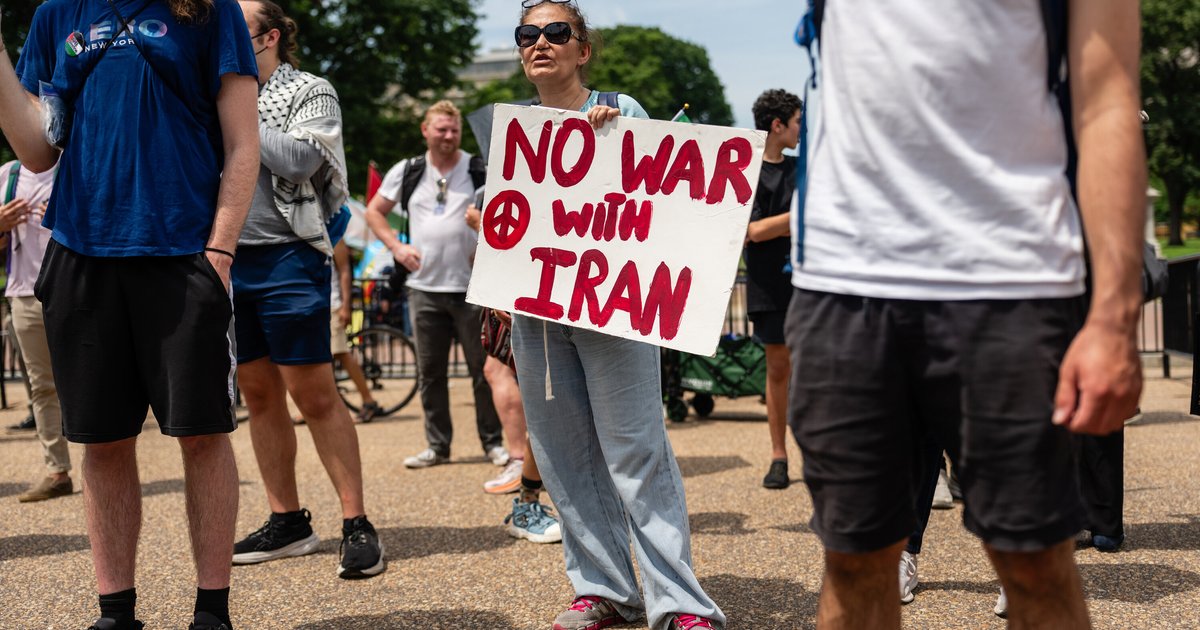
On April 4, 2026, the Iraqi capital, Baghdad, witnessed massive protests as thousands of Iraqi citizens took to the streets to condemn the US and Israeli attacks on Iran. The demonstrators, who gathered in Tahrir Square, voiced their dissatisfaction with foreign interventions in regional affairs, calling for the necessity of respecting the sovereignty of nations.
The protests came in response to a series of attacks targeting Iranian sites, with protesters viewing these actions as a threat to regional security that exacerbates tensions in the Middle East. Participants in the demonstrations raised slogans advocating for Arab and Islamic unity, emphasizing the importance of solidarity among nations in facing common challenges.
Details of the Event
These protests coincided with escalating tensions between the United States and Iran, as US airstrikes targeted Iranian military sites, provoking angry reactions in many Arab countries. Reports indicated that protesters in Baghdad burned US and Israeli flags as a sign of their rejection of these aggressive policies.
The demonstrations saw widespread participation from various social groups, including youth and women, reflecting a growing public awareness of the political and economic issues affecting the region. Some speakers at the march called for a unified stance from Arab countries against these aggressions.
Background & Context
Historically, relations between the United States and Iran have been marked by increasing tensions since the Islamic Revolution in 1979, with the US viewing Iran as a threat to regional security. Since then, attacks and military operations between the two sides have recurred, impacting the overall stability of the region.
In recent years, these tensions have intensified following the US withdrawal from the Iranian nuclear deal in 2018, leading to escalated positions between Tehran and Washington. Additionally, new alliances formed in the region, such as the coalition between Israel and some Arab states, have contributed to rising concerns over escalating conflicts.
Impact & Consequences
The protests in Baghdad reflect a general discontent with US and Israeli policies and may increase pressure on Arab governments to express their stance regarding these attacks. Furthermore, these demonstrations could impact relations between Iraq and Western countries, especially if tensions continue to escalate.
Moreover, these events may bolster political groups advocating for resistance against foreign interventions, potentially altering the political landscape in Iraq and affecting upcoming elections. It is crucial for neighboring countries to monitor these developments, as any escalation in Iraq could affect stability across the entire region.
Regional Significance
The events in Baghdad are part of a larger picture concerning regional security, as many Arab countries suffer from the repercussions of ongoing conflicts. The rise of protests against foreign interventions may encourage people in other nations to express their dissatisfaction with Western policies, potentially leading to new waves of protests across the region.
Ultimately, the events in Iraq serve as a wake-up call for Arab nations, as the current situation requires a collective effort to address shared challenges and maintain national sovereignty.