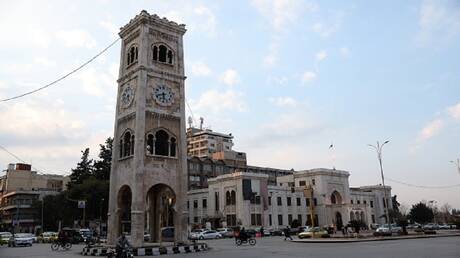
A massive protest occurred yesterday in the Syrian city of Hama, where shop owners gathered to voice their opposition to the property valuation decisions made by local committees. The protesters deemed these decisions as a significant injustice against them, as the valuation rates for 'vacant' shops were raised by what they described as 'insane' percentages.
The demonstrators, who congregated in the city square, held signs expressing their discontent with these decisions, demanding a reconsideration of the valuations. They emphasized that the increases in property valuations would negatively impact their businesses and make it challenging for them to continue operating in the market.
Details of the Event
These protests come at a time when the Syrian economy is facing significant difficulties, with financial burdens on traders and shop owners increasing. Some protesters pointed out that these valuation increases are occurring at an inopportune moment, as everyone is grappling with substantial economic challenges.
One protester reported that they attempted to communicate with local officials to explain their concerns, but their demands were not adequately addressed. He stressed that these decisions could lead to the closure of many shops, which would further increase unemployment in the area.
Background & Context
Historically, the city of Hama, like many other Syrian cities, has experienced significant economic fluctuations due to the ongoing conflict. These conditions have affected all aspects of life, including trade and markets. In recent years, the Syrian government has attempted to take measures to improve the economic situation, but these efforts often encounter multiple obstacles.
The property valuation decisions are part of economic policies aimed at increasing government revenues, but it seems these policies do not consider their impact on traders and small business owners.
Impact & Consequences
If these policies continue without modification, they could exacerbate the economic crises in the region. Many shop owners may be forced to close their businesses, leading to increased unemployment rates and affecting the daily lives of many families.
Moreover, these protests could heighten tensions between the government and traders, which may negatively impact social stability in the city. It is crucial for the government to listen to the demands of the protesters and work towards finding solutions that balance its financial needs with those of the traders.
Regional Significance
These events in Hama exemplify the economic challenges faced by many Arab countries. As economic burdens increase, so do protests and demands for improved living conditions. What is happening in Hama may resonate in other areas, as citizens strive to enhance their economic situations.
Ultimately, there must be an open dialogue between the government and the business community to ensure sustainable development and improve economic conditions for all.