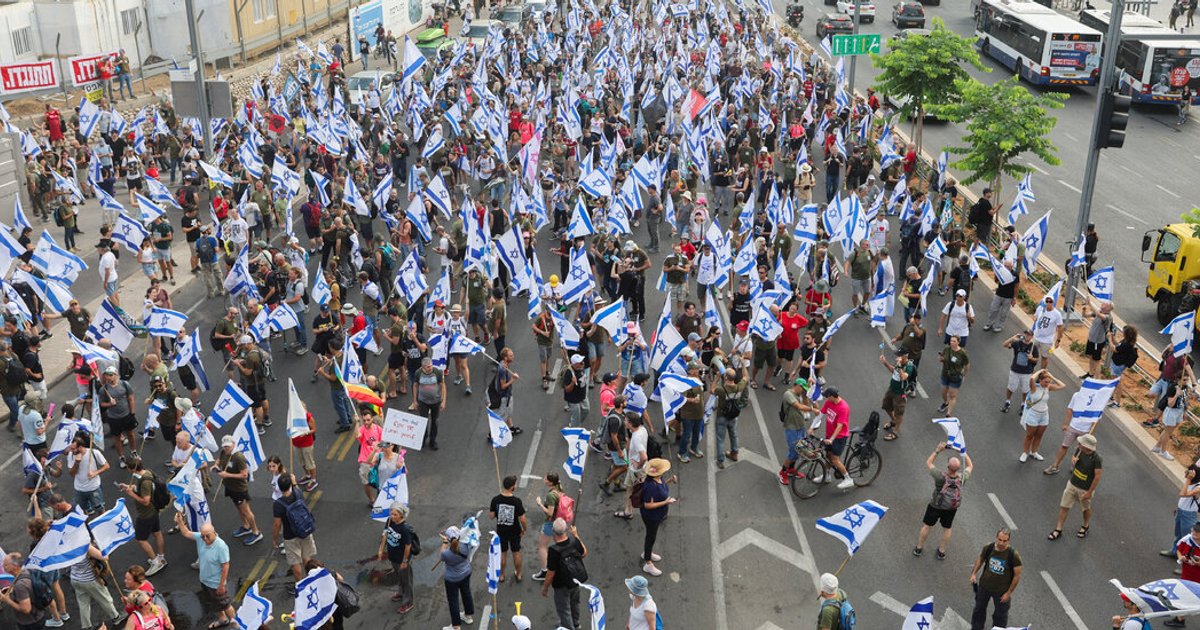
In recent days, Israel has experienced a surge of popular protests sweeping through numerous cities, as citizens took to the streets to voice their discontent with government actions and police misconduct. These demonstrations arise at a sensitive time, with many feeling that their basic rights are under threat and that the government is unresponsive to their legitimate demands.
Protesters gathered in cities such as Tel Aviv, Jerusalem, and Haifa, holding signs calling for justice and equality. Reports indicate that the protests were mostly peaceful, although some confrontations with police occurred at various sites. Demonstrators emphasized the need for accountability for those responsible for corruption and mismanagement.
Event Details
The protests reignited following a series of incidents that sparked public outrage, including assaults by police on peaceful demonstrators. These incidents led to widespread calls from human rights organizations for independent investigations into these actions. Videos circulating on social media showed unprofessional conduct by police officers, further intensifying public anger.
In this context, some analysts pointed out that these protests reflect a general dissatisfaction with the current government, which faces increasing criticism for its economic and social policies. Many protesters expressed feelings that the government does not represent their interests and has failed to address pressing issues such as the rising cost of living and unemployment.
Background & Context
Historically, Israel has seen numerous popular protests, but this wave comes at a time of increasing political and social polarization. For several years, signs of declining trust in government institutions have emerged, leading to a rise in protests. Recurrent economic crises, including the impacts of the COVID-19 pandemic, have added to the pressures on citizens.
It is worth noting that previous protests have led to significant political changes in the country, raising questions about whether the current demonstrations will result in similar outcomes. In recent years, there have been calls for comprehensive reforms in the judicial and police systems, yet no tangible progress has been achieved.
Impact & Consequences
Analyses suggest that these protests could lead to changes in the Israeli political landscape. If the protests continue and the number of participants increases, the government may be compelled to take concrete steps to address citizens' demands. Additionally, these events could affect the relationship between the government and the public, exacerbating political polarization.
Furthermore, these protests may inspire other protest movements in the region, where many countries face similar issues related to corruption and mismanagement. These demonstrations could serve as a launching pad for larger movements calling for social and economic justice.
Regional Significance
The protests in Israel hold particular significance for the Arab region, reflecting a state of instability that could impact relations between countries. These events may also open the door for discussions regarding human rights and public freedoms in neighboring states. Under current circumstances, pressures on Arab governments to respond to their people's demands may increase.
In conclusion, the protests in Israel signify rising tensions within society and may have far-reaching implications for Israeli politics and regional relations. Many are watching closely to see what these events will yield in the coming days.