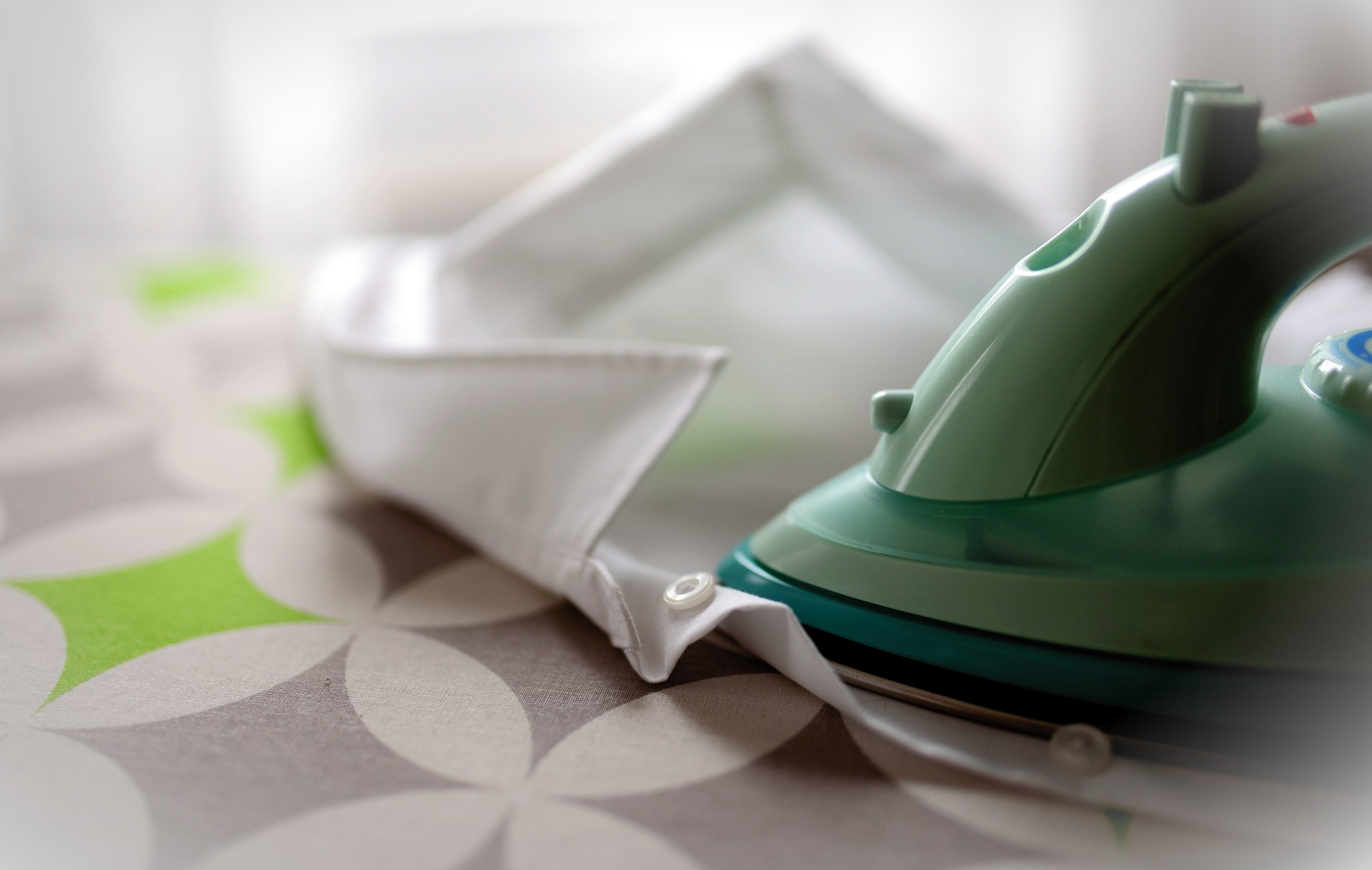
Ironing clothes correctly is fundamental in maintaining their appearance and quality. The right techniques not only prevent fabric damage but also provide you with elegant results that reflect your attention to daily details in your personal appearance.
To achieve satisfactory results, it is essential first to sort fabrics by type. Each type of fabric requires a specific temperature, making it necessary to know how to handle each type appropriately. For instance, sensitive fabrics like silk and satin need low temperatures, while cotton fabrics can be ironed at higher temperatures.
Starting the Ironing Process
When beginning the ironing process, it is advisable to start with sensitive garments first. This helps avoid any potential damage that may occur due to high heat. After finishing with the delicate fabrics, you can move on to sturdier fabrics like cotton and linen. It is also recommended to use steam cautiously, as it can help remove wrinkles more effectively, but care should be taken to avoid damaging the fabrics.
It is also crucial to adjust the iron's temperature accurately before starting. An iron that is too hot can burn fabrics, while a cold iron may not be effective in removing wrinkles. Therefore, it is always best to read the care instructions on the clothing label to set the appropriate temperature.
Background & Context
The process of ironing clothes is an integral part of personal care routines, reflecting an individual's concern for their appearance. In many cultures, well-ironed clothing is seen as a reflection of professionalism and attention to detail. With the increasing daily commitments, some may find it challenging to allocate sufficient time for this process, making it essential to know the correct methods to facilitate the task.
Historically, ironing was considered an art that required special skills, using traditional tools like cast-iron irons. With technological advancements, electric irons have become more common, simplifying the ironing process and improving results.
Impact & Consequences
The way clothes are ironed affects a person's appearance and self-confidence. Well-ironed clothing enhances first impressions, whether at work or social events. Additionally, good care of clothing can extend its lifespan, contributing to reduced expenses in the long run.
Moreover, using the correct ironing techniques can contribute to environmental preservation. Well-treated fabrics last longer, reducing the need to frequently purchase new clothing.
Regional Significance
In the Arab region, clothing plays a significant role in culture and traditions. Many social occasions require wearing well-ironed garments. Therefore, knowing how to iron clothes properly can be a valuable skill that enhances an individual's image in society.
Additionally, many Arab countries are witnessing growth in the fashion industry, making it essential for individuals to know how to care for their clothing properly. This contributes to promoting local culture and reflects pride in heritage.
In conclusion, ironing clothes is an art that requires knowledge and precision. By following the essential tips mentioned, everyone can enjoy stylish and attractive clothing that reflects their attention to personal appearance.