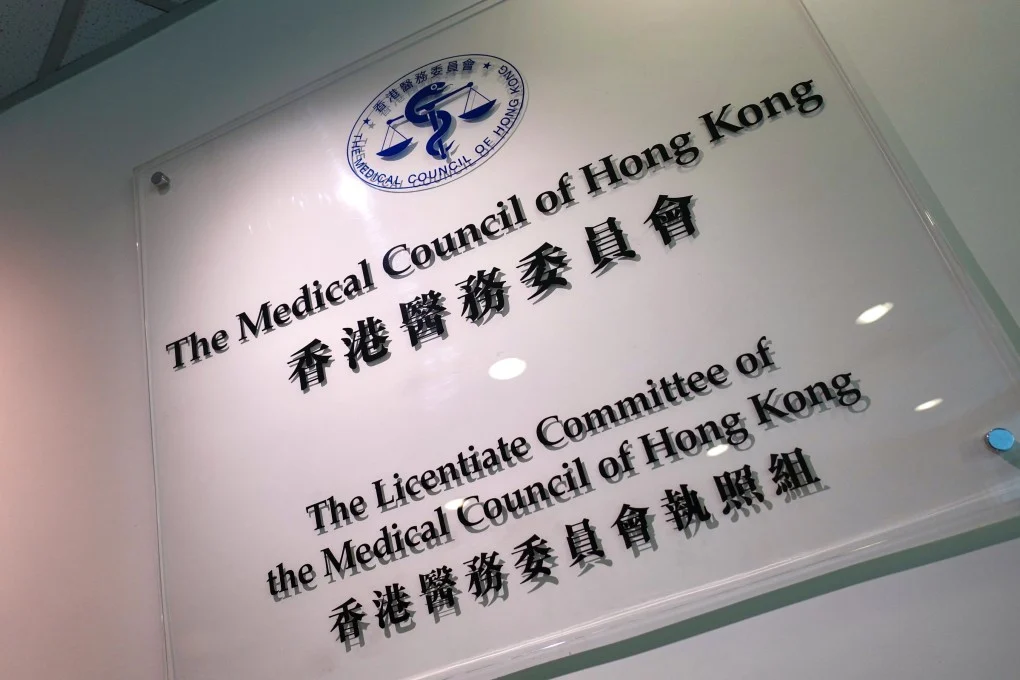
The Medical Council in Hong Kong has issued a public warning to orthopedic surgeon Daniel Wu Yang after he performed an unconventional surgery to treat bone spurs without obtaining informed consent from the patient. The council found the doctor guilty of four charges related to professional misconduct.
The surgery conducted by Daniel Wu at the Hong Kong Baptist Hospital involved a ligament procedure, which is a surgical method used to treat bone spurs in a non-traditional manner, as adequate information was not provided to the patient regarding the procedure or the potential risks involved.
Details of the Incident
During a hearing held on Monday, the Medical Council confirmed that Daniel Wu did not adhere to the required professional standards, as he failed to provide the patient with complete information about the procedure, resulting in a lack of informed consent. The complaint was filed by the patient after experiencing complications following the surgery.
This case exemplifies the importance of obtaining informed consent before any surgical procedure, which is considered one of the fundamental principles in medical practice. A spokesperson for the Medical Council indicated that this incident highlights the necessity for doctors to adhere to ethical and professional standards.
Background & Context
Historically, there have been numerous similar incidents that have sparked controversy regarding medical practices in Hong Kong and around the world. In recent years, awareness has increased regarding patient rights and the importance of obtaining informed consent, leading to changes in medical laws and regulations.
This case also comes at a sensitive time as health authorities seek to bolster trust in the healthcare system, especially following the COVID-19 pandemic, which significantly impacted healthcare services worldwide.
Impact & Consequences
This case could have significant repercussions for the medical profession in Hong Kong, potentially leading to changes in how surgeries are performed and the need for greater transparency in dealings with patients. Additionally, this incident may affect the reputation of the hospital where Daniel Wu works, possibly resulting in a decrease in patient numbers.
Furthermore, this case may encourage other patients to file complaints if they encounter unacceptable medical practices, increasing pressure on medical bodies to better monitor medical practices.
Regional Significance
In the Arab region, this case serves as a reminder of the importance of patient rights and the need to enhance transparency in medical practices. There are numerous challenges facing healthcare systems in Arab countries, including a lack of awareness regarding patient rights and the importance of obtaining sufficient information before making medical decisions.
This incident can be seen as a call for health authorities in Arab countries to strengthen laws and regulations related to informed consent, contributing to improved healthcare quality and increased trust between patients and doctors.