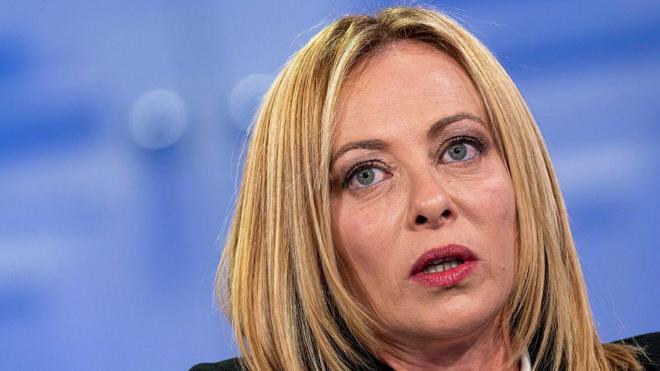
Italian Prime Minister Giorgia Meloni is facing significant challenges following the failure of the government referendum, as she strives to reorganize her cabinet plagued by recurring scandals. Under these circumstances, Meloni has begun to take bold steps to distance herself from certain figures who have long supported her but have now become a burden on her administration.
Reports indicate that Meloni, who took office in October 2022, is under increasing pressure from her allies, who have started to show signs of weakness and concern. This comes at a sensitive time for the Italian government, as political and financial scandals have escalated, threatening its stability.
Details of the Event
Following the referendum that revealed significant public dissatisfaction with the government's policies, Meloni has started to take decisive action. She announced her intention to remove certain ministers linked to scandals, reflecting her desire to rebuild trust with voters. This approach comes at a critical time, as the government is experiencing a notable decline in popularity.
Meloni aims to strengthen her position by demonstrating her ability to make tough decisions, even if it means abandoning some of her allies. Observers have noted that these steps may be necessary to ensure the government's stability in the future.
Background & Context
Historically, Italy has seen many governments facing similar challenges, where political scandals have played a significant role in impacting governmental stability. Since Meloni assumed the premiership, her government has faced numerous criticisms due to its economic and social policies, leading to increased pressure on her administration.
Italy is considered one of the European countries grappling with complex economic and social issues, including rising unemployment and significant challenges in the area of immigration. These conditions make it difficult for any government to achieve stability and success amid ongoing pressures.
Impact & Consequences
The failure of the referendum and the political scandals could lead to serious repercussions for the future of the Italian government. This situation may increase divisions within the ruling coalition, potentially opening the door for opposition parties to strengthen their positions. Furthermore, declining trust in the government could affect foreign investments and increase economic pressures on the country.
If the situation continues along this path, Meloni may find herself compelled to make more radical decisions, including calling for early elections. This scenario could lead to further instability in the country at a time when Italy needs political and economic stability.
Regional Significance
Italy is considered one of the strategic partners for many Arab countries, playing an important role in trade and investment. Political instability in Italy could affect economic relations between the two countries, potentially negatively impacting joint projects.
Moreover, political crises in European countries, including Italy, could influence migration issues, as Italy serves as a major transit point for migrants coming from North Africa. Therefore, any deterioration in the political situation could exacerbate humanitarian crises in the region.
In conclusion, Meloni faces significant challenges that require her to make decisive decisions to maintain the stability of her government. The current situation reflects the complexities of Italian politics and underscores the importance of political stability in enhancing relations with Arab countries.