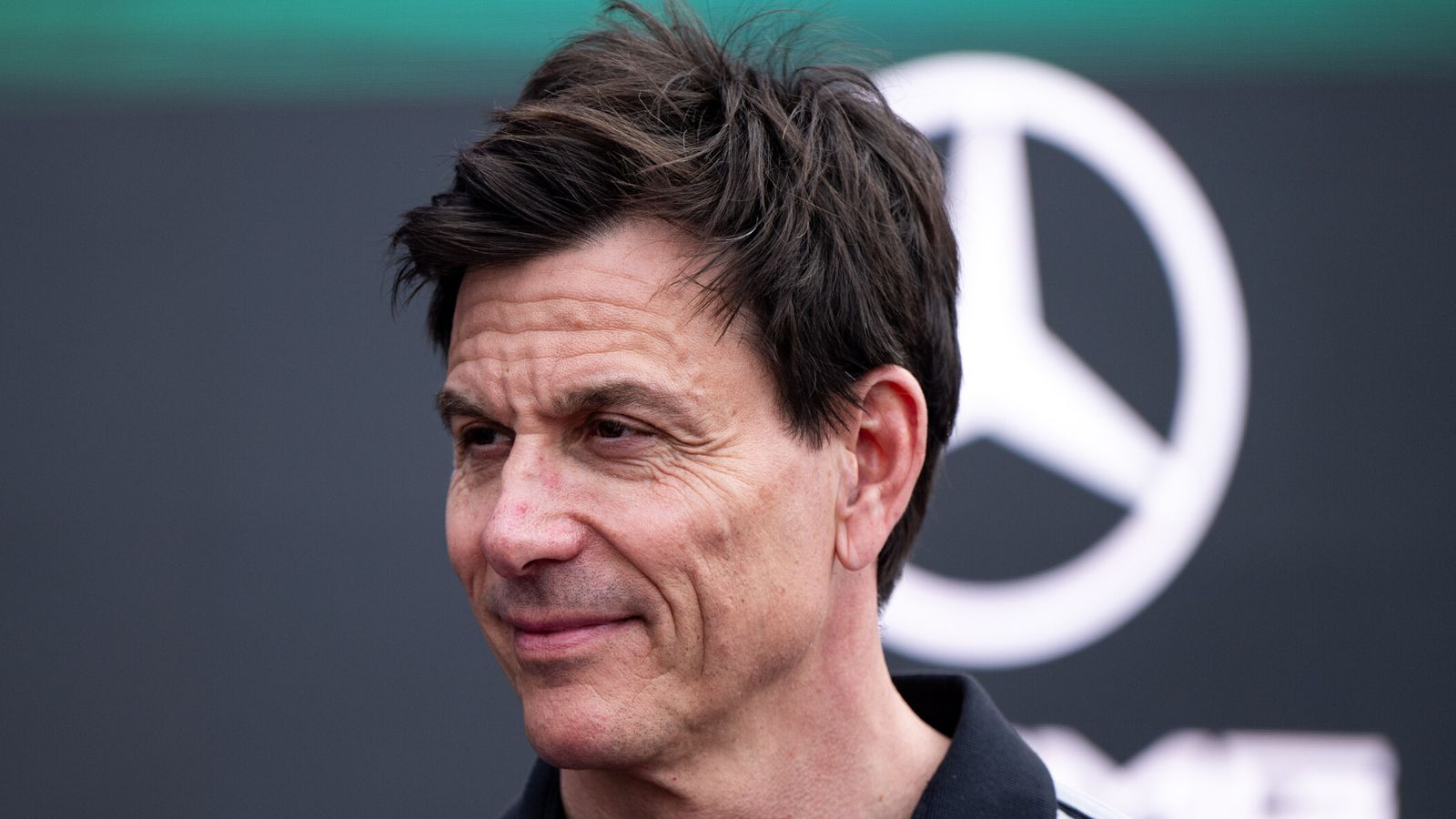
Mercedes is striving to continue its remarkable dominance in the Formula 1 Championship as the Japan Grand Prix approaches. Team principal Toto Wolff has issued warnings about the "political tools" that could confront his team in light of their strong performance. In this context, the team is eager to achieve new positive results that enhance its standing in the championship, after both drivers, George Russell and Kimi Antonelli, claimed consecutive victories in previous rounds.
After a stellar start to the season, Mercedes enjoys a lead of 31 points over its traditional rival Ferrari in the Constructors' Championship, while Russell tops the drivers' standings with a margin of 4 points over Antonelli. These impressive results come after the Australian Grand Prix and the Chinese Grand Prix, where both Mercedes drivers secured top positions.
Event Details
This weekend, the Japan Grand Prix will take place at the famous Suzuka Circuit. The Mercedes team hopes that the exceptional performance they exhibited in previous races will grant them an additional advantage during this event. Wolff's warning comes at a time when the team is facing increasing pressure from its competitors, with some asserting that Mercedes' superiority stems from its technical control in developing its engines.
Commenting on the current situation, Wolff stated, "We have a good car at this time, capable of winning. Let's see what kind of political tools may emerge in the weeks and months ahead." This statement underscores concerns regarding political developments that could affect competition between teams in the near future.
Background & Context
Historically, Formula 1 has always been a battleground for conflicts and rivalries among major teams, where politics often intertwines with sports. With the introduction of new performance control systems and balancing measures among teams, it has become essential to understand the technological context and regulations governing this championship.
The new regulations implemented include development incentives designed to assist teams struggling with engine performance. These opportunities are distributed based on performance, allowing teams to devise different development strategies to enhance their performance throughout the season.
Impact & Consequences
The focal points of this sports policy raise questions about whether these dynamics will yield positive or negative outcomes for Formula 1's image. If other teams succeed in breaking Mercedes' dominance, it could lead to new challenges and reshape the competitive landscape in the coming years.
Current developments in the competitions reveal that dominance is not permanent. Mercedes' initial success highlights the ongoing need for innovation and improvement. At the same time, teams must be cautious as they may face negative backlash due to potential political risks that may arise in the future.
Regional Significance
Formula 1 is one of the most-watched sports worldwide, including in the Arab countries. Additionally, the Middle East has hosted several major races, such as the Bahrain Grand Prix and the Saudi Arabian Grand Prix, further boosting the popularity of this competition.
Mercedes' continued dominance could have implications for the sponsorship of major events in the Arab world, potentially increasing investments in infrastructure and facilities. This highlights the necessity to closely monitor upcoming events for their effects on a broad spectrum of fans.