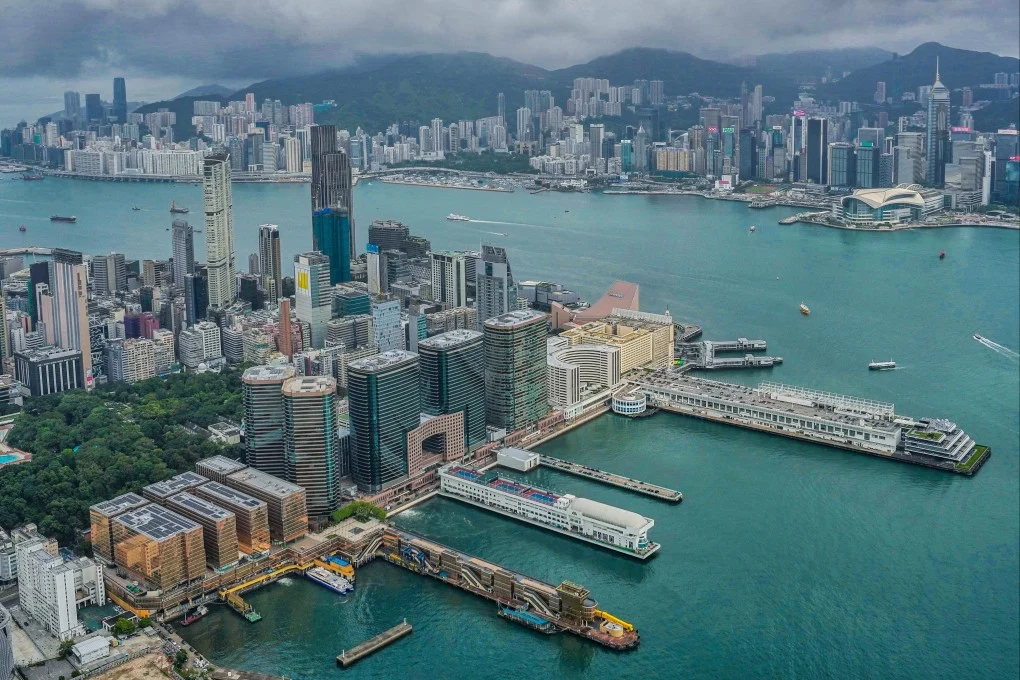
Hong Kong lawmakers have called on the relevant authorities to merge the two cross-border ferry terminals, namely China Ferry Terminal and Hong Kong-Macau Ferry Terminal, with the aim of improving capacity and meeting the growing demand for luxury transport services. This appeal comes after figures showed a 6.5% decline in passenger numbers, with 7.74 million passengers recorded in 2025.
During a meeting on Thursday, lawmakers emphasized that merging the two terminals would enhance transport efficiency and reflect modern trends in the maritime transport sector, especially with the increasing alternative travel options to mainland China. The Minister of Transport pointed out the necessity of conducting a thorough examination of the proposed plans to ensure that the desired objectives are achieved.
Details of the Event
Cross-border ferries are a vital mode of transport in Hong Kong, linking the city to mainland China and Macau. With increasing competition from other transport modes, such as high-speed trains, the need to enhance the services offered in this sector has become urgent. Statistics have shown a notable decline in passenger numbers at both terminals, necessitating immediate action to improve the situation.
The number of luxury yachts in the region is on the rise, reflecting a shift in travel preferences among certain social groups. Therefore, merging the two terminals could represent a strategic step to meet this increasing demand, in addition to improving the overall passenger experience.
Background & Context
Historically, Hong Kong has been a major maritime transport hub in the region, with ferries playing a significant role in connecting the city to various destinations. Over time, the city has undergone substantial changes in its transport infrastructure, leading to the emergence of new modes that compete with traditional ferries. In recent years, new services such as high-speed trains have been introduced, impacting passenger numbers on ferries.
Ferries are a preferred mode of transport for many residents and tourists, but current challenges require a reassessment of transport strategies. There is also a need to consider how to enhance the services provided to attract more passengers, especially with the increasing options available.
Impact & Consequences
If the two terminals are merged, it could lead to improved operational efficiency and reduced costs. Additionally, it may contribute to enhancing the passenger experience by reducing wait times and increasing the number of trips. With the rising demand for luxury travel, improving ferry services could attract more tourists and investors to the region.
On the other hand, this proposal may raise some concerns among workers in the traditional maritime transport sector, as the merger may require restructuring some jobs. Therefore, dialogue with all stakeholders will be essential to ensure a balance between improving services and protecting the interests of workers in the sector.
Regional Significance
Hong Kong's experience in enhancing ferry transport services serves as a model that can be beneficial for Arab countries facing similar challenges in the transport sector. Arab nations, which have long coastlines and multiple tourist destinations, can benefit from improving maritime transport services to attract more tourists and boost the local economy.
In conclusion, merging the two ferry terminals in Hong Kong represents an important step towards improving services and meeting the changing market needs. A swift response to current challenges will enhance the city's position as a major transport hub in the region.