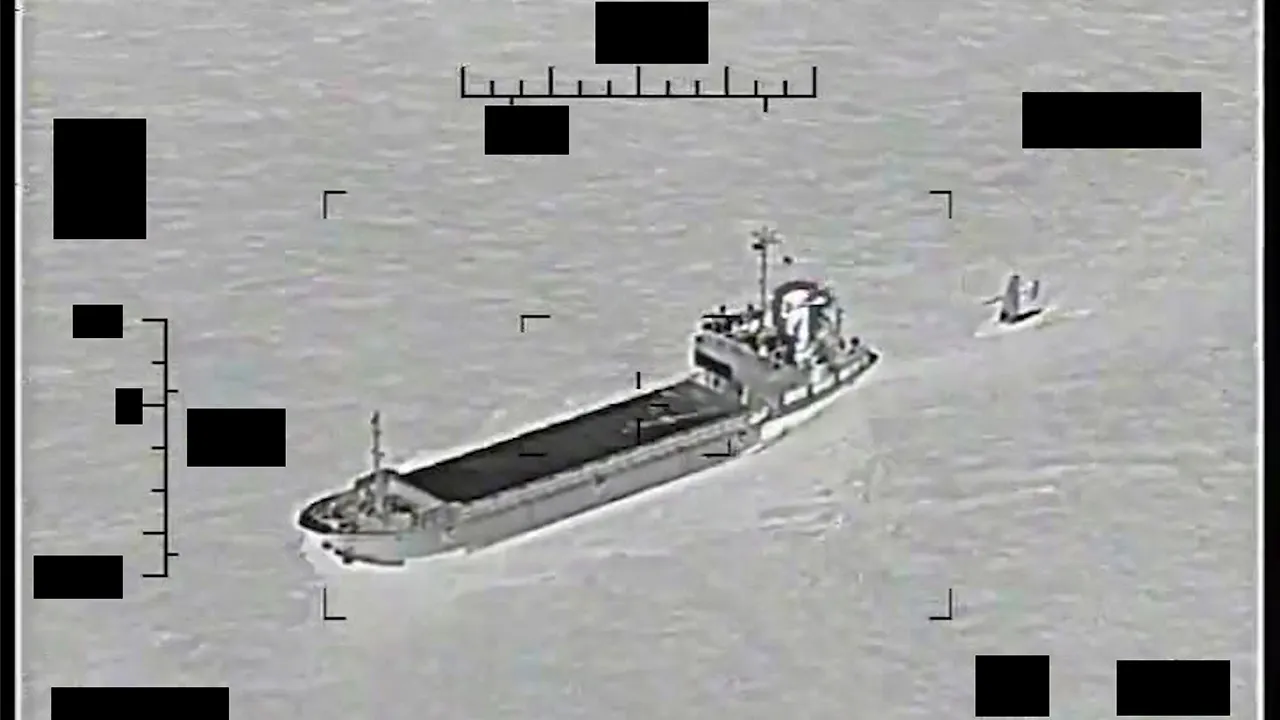
The military forces in the Gulf region have achieved remarkable successes in air defense, having shot down 174 missiles and 391 drones in recent times. This achievement occurs in the context of escalating regional tensions, reflecting the capability of these forces to counter the increasing threats in the area.
Concerns are growing over the use of drones and missiles in armed conflicts, especially with the rising military activities of certain countries in the region. Reports have indicated that these drones were intended to carry out offensive operations, but the defensive forces successfully intercepted them.
Details of the Incident
According to military sources, most of the drones that were shot down targeted strategic sites in Gulf countries. Advanced technologies were employed in air defense systems, contributing to this success. Additionally, the military operations conducted were supported by accurate intelligence information, which helped in identifying the paths of hostile aircraft.
These operations also involved coordination among Gulf states, where information and expertise were exchanged to enhance defensive capabilities. These operations demonstrated the forces' ability to work collaboratively to face threats.
Background & Context
Historically, the Gulf region has witnessed increasing tensions due to regional conflicts and political disputes. These tensions have contributed to the heightened use of drones as a combat tool. In recent years, these drones have become an essential part of the military strategies of many countries, leading to the development of advanced defensive systems to counter them.
For instance, in past years, there have been several incidents related to the downing of drones in the region, reflecting the importance of enhancing defensive capabilities. Additionally, conflicts in Yemen and Syria have increased the use of these drones in attacks, making countering them an urgent necessity.
Impact & Consequences
These achievements in downing drones and missiles are indicative of the evolution of defensive capabilities in the Gulf region. This success may enhance regional security and reduce potential threats. It also reflects cooperation among Gulf states in addressing security challenges.
However, the escalation in the use of drones may lead to increased tensions in the region. As defensive capabilities grow, involved parties may seek to develop more advanced weapons, potentially leading to a new arms race.
Regional Significance
These events are of great importance to Arab countries, as they reflect the security challenges they face. Strengthening defensive capabilities in the Gulf could serve as a model for other Arab nations facing similar threats. Moreover, cooperation among Gulf states could contribute to enhancing security and stability in the region.
In conclusion, the downing of 174 missiles and 391 drones is a significant achievement that reflects the military forces' capability in the Gulf region to counter threats. As regional tensions continue, enhancing defensive capabilities and cooperation among states remains an urgent necessity to ensure security and stability in the area.