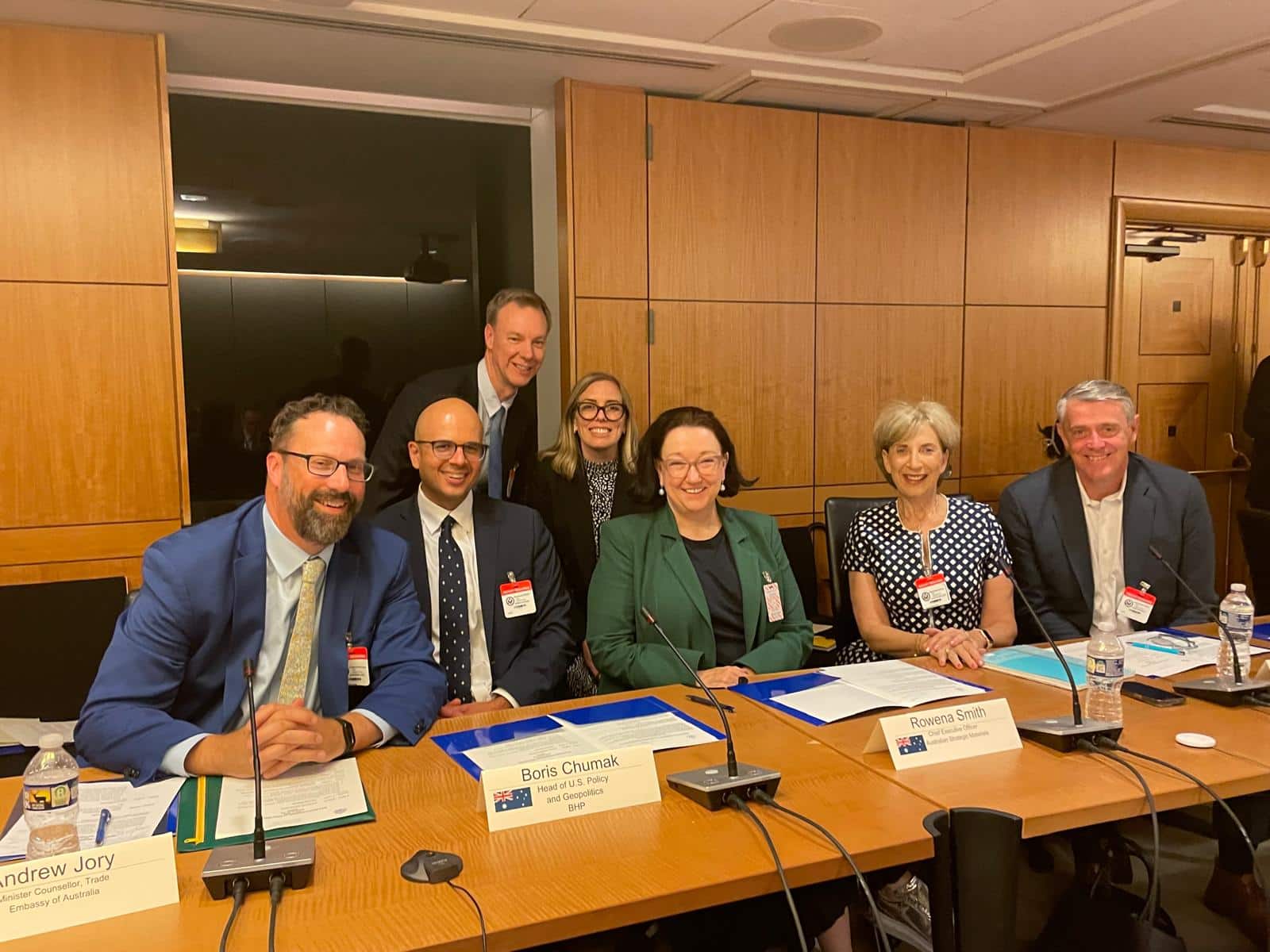
The Minister of Industry participated in a roundtable in Turkey, where discussions focused on enhancing cross-regional alliances in the field of critical minerals. This participation is part of efforts to boost international cooperation in this vital sector.
The participating countries aim to develop joint strategies to ensure the sustainability of essential mineral supplies, which play a pivotal role in modern technological industries. The importance of minerals such as lithium and cobalt, which are essential for battery manufacturing and clean technology, was emphasized.
Event Details
The roundtable was held in Istanbul, with the participation of several ministers and experts from various countries. During the meeting, the challenges facing the critical minerals industry were reviewed, including price fluctuations and global competition. Ways to enhance cooperation among countries to develop joint projects in this field were also discussed.
The Minister of Industry highlighted the importance of these alliances in achieving industrial security, as critical minerals represent a fundamental element in the transition to a green economy. The role of innovation and technology in improving the efficiency of extracting these minerals was also addressed.
Background & Context
Critical minerals are natural resources that are gaining increasing importance in light of the global shift towards clean energy. In recent years, there has been a surge in demand for these minerals due to their rising applications in modern technology. Consequently, countries are seeking to build strategic alliances to ensure the sustainability of these resources.
Historically, countries relied on specific sources to meet their mineral needs, but with increasing demand, it has become essential to diversify supply sources. This requires effective international cooperation to ensure supply sustainability and reduce risks associated with reliance on specific sources.
Impact & Consequences
This roundtable underscores the importance of international cooperation in addressing challenges related to critical mineral supplies. New alliances are expected to contribute to stability in global markets, which will have a positive impact on technological industries.
Moreover, enhancing cooperation in this field may lead to the development of new technologies for more efficient mineral extraction with less environmental impact. This could contribute to achieving the sustainable development goals that many countries aspire to.
Regional Significance
Critical minerals present a significant opportunity for Arab countries, which possess rich natural resources. These alliances could enhance investments in the mining sector, positively impacting the local economy. Additionally, cooperation in this area may open new avenues for trade between Arab countries and others.
In conclusion, this meeting represents an important step towards enhancing international cooperation in the field of critical minerals, contributing to industrial security and sustainable development.