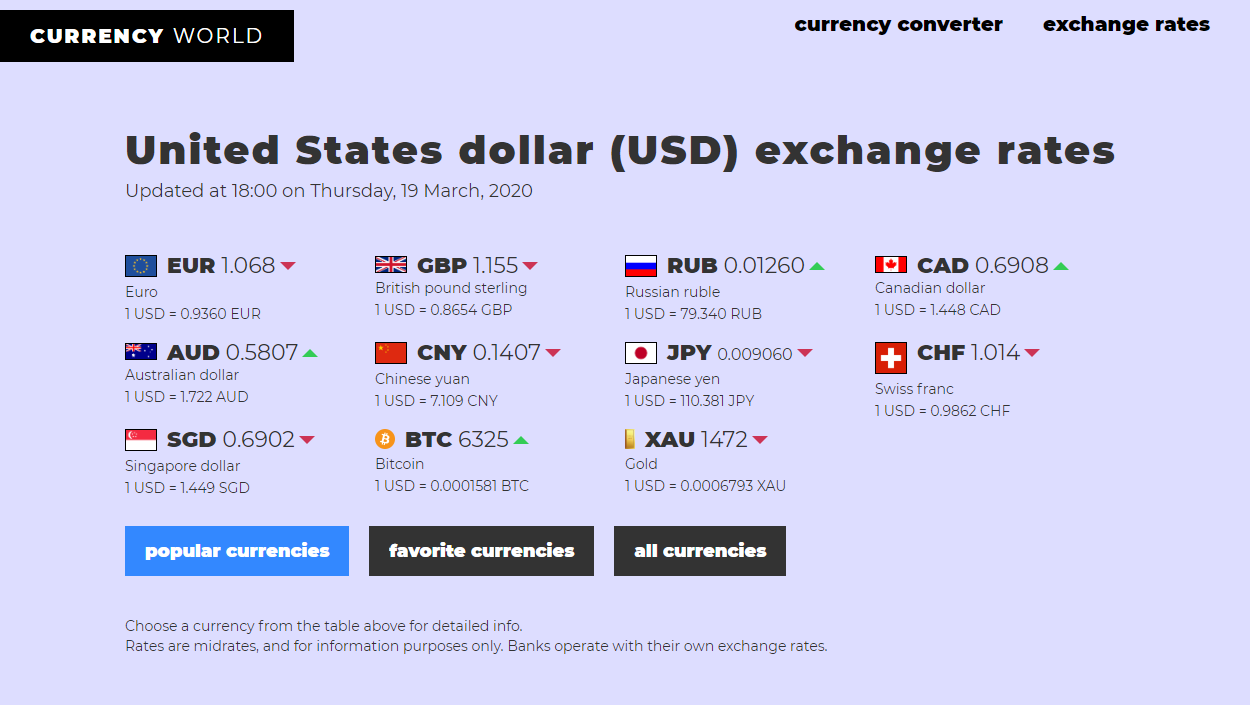
Financial markets in Egypt are preparing for a central bank meeting today, where it is expected that this meeting will impact the dollar's exchange rate against the pound. The dollar has recorded a notable increase in value today, raising questions about upcoming monetary policies.
As investors and citizens await the results of the meeting, forecasts suggest that the central bank may take new measures to address the current economic challenges. This comes amid rising inflationary pressures that the country is experiencing, which have led to increased prices of goods and services.
Details of the Event
This morning, the price of the US dollar against the Egyptian pound rose to 30.50 pounds, reflecting a state of instability in the market. Other Arab and foreign currencies have also experienced notable fluctuations, with the Saudi riyal at 8.10 pounds and the UAE dirham at 8.20 pounds.
These price increases come ahead of the central bank meeting, where policymakers are expected to discuss how to handle economic pressures. Some analysts have indicated that the bank may resort to raising interest rates as a means to curb inflation.
Background & Context
Historically, Egypt has witnessed significant fluctuations in exchange rates, especially after the currency floatation in 2016. Since then, the country has faced major challenges, including rising inflation rates and an increasing trade deficit. Global economic crises, such as the COVID-19 pandemic and the war in Ukraine, have exacerbated these conditions.
Despite the efforts made by the Central Bank of Egypt to stabilize the exchange rate, external and internal pressures continue to significantly affect the market. This has led to growing concern among citizens regarding their ability to meet their daily needs.
Impact & Consequences
If the central bank takes steps to raise interest rates, it could lead to increased borrowing costs, negatively impacting investments and economic growth. At the same time, raising interest rates may help attract foreign investments, which could support the Egyptian pound in the long term.
Concerns are growing that the continued rise in dollar prices could worsen economic conditions, as many sectors rely on imports. Therefore, any increase in the dollar's price could lead to higher prices for essential goods, further increasing the suffering of citizens.
Regional Significance
The exchange rates in Egypt are an important indicator for the Arab economy as a whole, as any changes in the Egyptian pound could affect neighboring markets. Arab countries that rely on trade with Egypt may experience direct impacts due to fluctuations in the exchange rate.
Moreover, the economic conditions in Egypt cast a shadow over political and social stability in the region, making it essential to closely monitor economic developments.
In conclusion, today's central bank meeting remains the focus of everyone's attention, as citizens and investors look forward to understanding the next steps that monetary authorities will take to address current economic challenges.