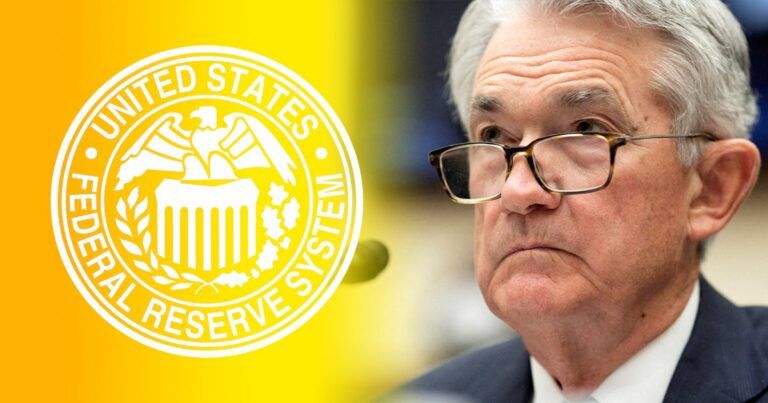
Federal Reserve Chairman Jerome Powell stated that the bank is closely monitoring rising energy prices but emphasized that its intervention capabilities are limited. This comes at a time when the market is experiencing significant fluctuations in energy prices, raising concerns among both investors and consumers.
During a press conference, Powell explained that the Federal Reserve is closely tracking the impact of rising energy prices on the U.S. economy, noting that these increases could affect inflation and consumers' purchasing power. However, he pointed out that the bank faces constraints in its available tools to address this increase, putting it in a difficult position.
Details of the Event
In recent weeks, oil and gas prices have seen notable increases, with oil prices surpassing the $90 per barrel mark. This rise is attributed to multiple factors, including increased global demand, supply disruptions, and geopolitical tensions in major energy-producing regions.
Powell confirmed that the Federal Reserve is closely monitoring these developments but noted that direct intervention in energy markets is not within the bank's mandate. Instead, the bank focuses on macroeconomic stability and inflation, which requires it to make considered decisions regarding monetary policy.
Background & Context
Historically, energy prices have played a pivotal role in shaping economic policies. In previous periods, significant increases in oil prices led to economic recessions, prompting governments and central banks to take swift action. However, the current situation is different, as the Federal Reserve faces new challenges related to balancing support for economic growth and combating inflation.
Since the onset of the COVID-19 pandemic, markets have experienced unprecedented volatility, complicating the economic landscape. As economic activity resumes, energy demand has surged significantly, leading to rising prices. In this context, the Federal Reserve must make strategic decisions to ensure economic stability.
Impact & Consequences
Powell's statements underscore the challenges the Federal Reserve faces under current conditions. Rising energy prices could lead to increased inflation, putting pressure on consumers and reducing their purchasing power. This situation could negatively impact economic growth, potentially leading to a slowdown in consumer spending.
Moreover, sustained high energy prices may affect investments in other sectors, as companies might prefer to direct their resources toward addressing rising energy costs rather than expanding or innovating. Therefore, the Federal Reserve needs to closely monitor the situation and make informed decisions to maintain economic stability.
Regional Significance
The Arab region is among the largest oil producers in the world, and thus rising energy prices directly impact its economies. Oil-producing countries may benefit from these increases through higher revenues, but they also face challenges related to market volatility.
At the same time, energy-importing countries in the region may suffer economic pressures due to rising prices, which could affect their public budgets and increase deficits. Therefore, it is crucial for Arab countries to carefully monitor market developments and adopt effective strategies to address these challenges.
In conclusion, rising energy prices remain a complex issue that requires a coordinated response from all stakeholders. The Federal Reserve and Arab countries must work together to ensure market stability and achieve sustainable growth.