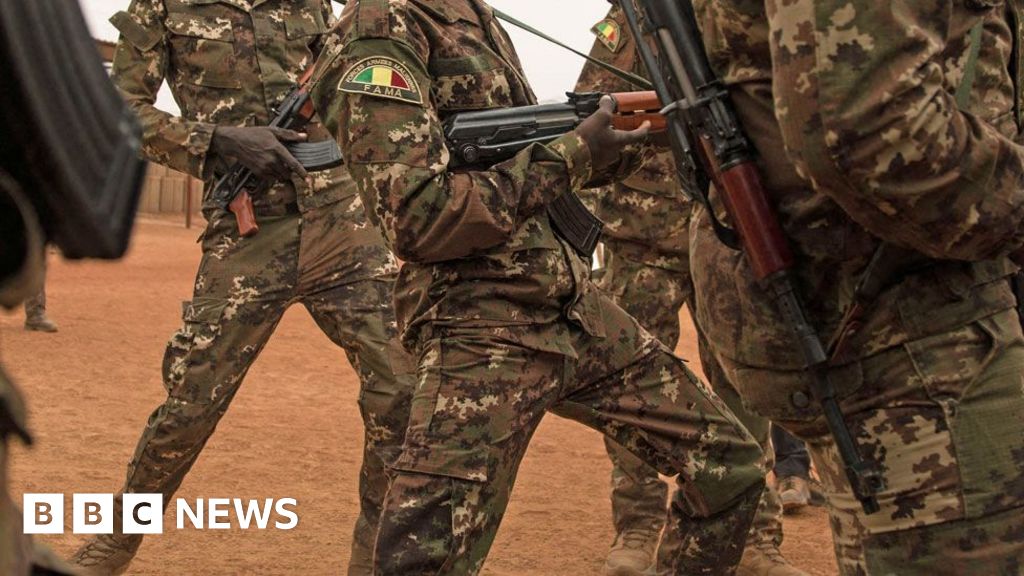
Tensions are escalating in Mali as France watches with concern the rise of extremist activities within the country. The military government, which has adopted an anti-French stance, is increasingly collaborating with Russia, complicating the security situation in the region.
Under these circumstances, extremist groups, including jihadist organizations, continue to make significant gains on the ground, while the activity of Tuareg rebels in the northern part of the country is on the rise. This situation raises considerable alarm in Paris, which has historically been the main player in the region.
Details of the Situation
The anti-French rhetoric from Mali's military authorities is intensifying, as the government adopts an approach characterized by an alliance with Russia. This alliance is manifested in the military and political support provided by Moscow, undermining Paris's influence in the region.
At the same time, extremist groups are continuing to exploit the political and security chaos in the country. Reports indicate that these groups have managed to expand their influence in certain areas, threatening the country's stability and complicating counter-terrorism efforts.
Background & Context
Historically, Mali has been under the influence of France since colonial times, being considered one of its former colonies. After independence, relations between the two countries continued, but recent years have seen a marked deterioration in these relations, especially following the military coup in 2020.
With rising tensions, the Malian government has begun taking steps to strengthen its ties with Russia, reflecting a strategic shift in the country's foreign policy. This shift comes at a time when Mali is facing significant security challenges, including escalating violence from extremist groups.
Impact & Consequences
The implications of the situation in Mali extend beyond national borders, potentially affecting the stability of the entire Sahel region. If extremist groups continue to make gains, this could lead to a spillover of violence into neighboring countries such as Niger and Burkina Faso.
Moreover, the increasing Russian influence in the region could alter the balance of power, weakening France and Western countries' ability to influence events. This could lead to a reshaping of regional and international alliances.
Regional Significance
The situation in Mali highlights the security challenges faced by many Arab countries, as conditions in some areas resemble those in Libya and Syria. The growing security threats from extremist groups necessitate a coordinated response from Arab nations to address these challenges.
Furthermore, the new alliances forming in Mali may impact the relationships between Arab countries and Western nations, prompting a reassessment of security and political strategies in the region.
The situation in Mali represents a significant challenge not only for local authorities but also for the international community. A comprehensive response is required to address the increasing threats and ensure regional stability.