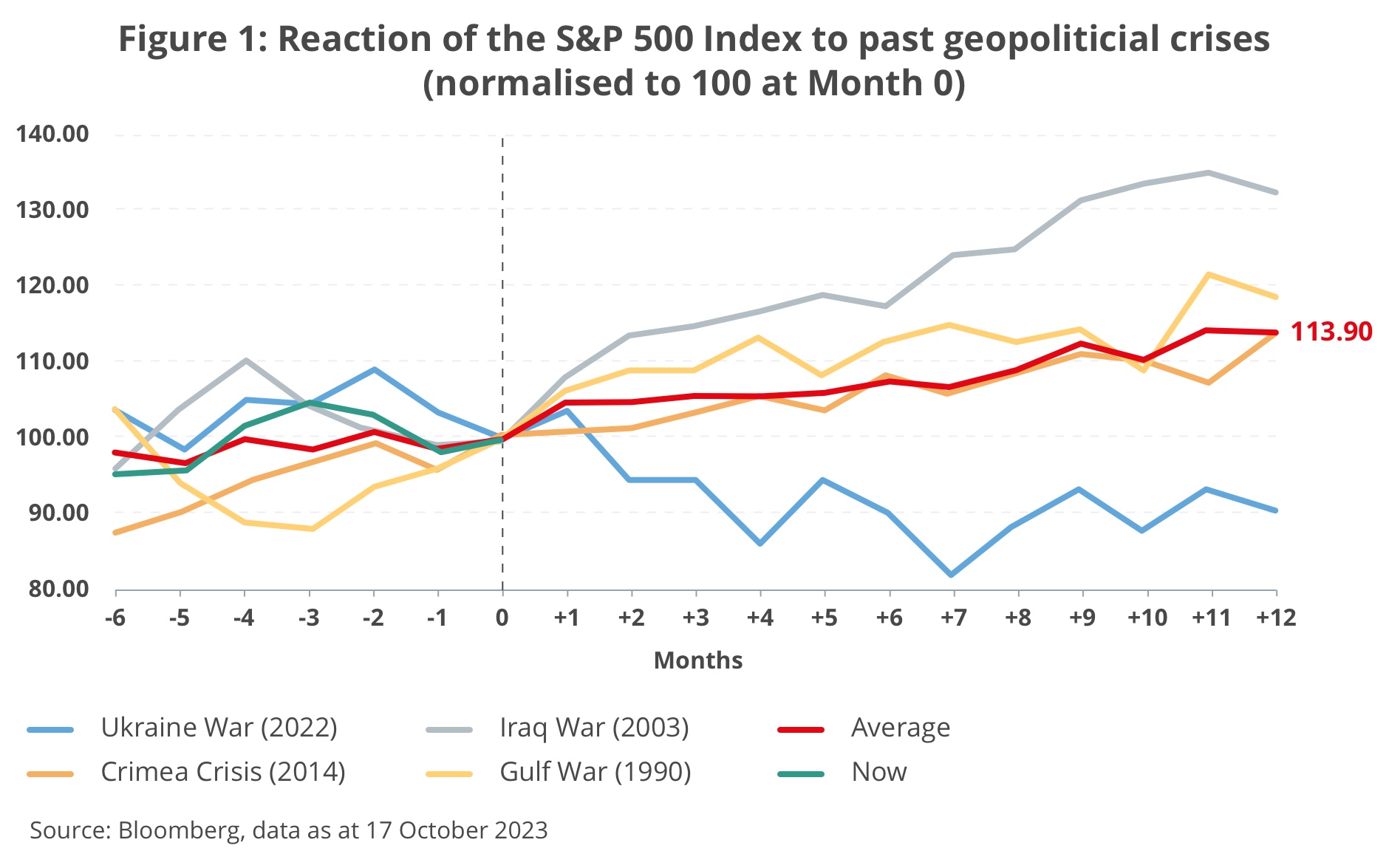
Morgan Stanley has announced a downgrade of global stocks, considering that the United States has become a defensive market amid the escalating conflict in the Middle East. This announcement comes at a time when financial markets are experiencing significant fluctuations due to geopolitical crises, directly impacting global investments.
This move comes as tensions rise in the Middle East, where ongoing events are affecting investor expectations. Reports have noted that the conflict in the region could lead to increased instability, prompting investors to seek safe havens, such as the U.S. market.
Details of the Downgrade
In its latest report, Morgan Stanley confirmed that global stocks are facing increasing pressures, having been downgraded to lower levels. It indicated that the U.S. market is now considered a safe haven for investors, reflecting a shift in investment strategies. Analysts have pointed out that this trend may continue in the near future, especially with the ongoing conflict in the Middle East.
Concerns are mounting about the impact of the conflict on the global economy, with expectations that political crises will affect oil prices and financial markets. This analysis serves as a call for investors to reassess their strategies in light of current conditions.
Background & Context
Historically, the Middle East has witnessed numerous conflicts that have significantly impacted the global economy. Recent events, including the conflict in Palestine and Lebanon, have heightened tensions in the region, affecting economic stability. Previous crises have shown that conflicts in the Middle East can lead to substantial fluctuations in global financial markets.
Moreover, the impact of conflicts on oil prices is considered one of the main factors affecting the global economy. Any escalation in conflict can lead to rising oil prices, which in turn affects production costs and prices across various sectors.
Impact & Consequences
Forecasts indicate that the downgrade of global stocks may lead to negative repercussions for investments in emerging markets. Investors perceive emerging markets as more vulnerable to risks under the current circumstances, potentially resulting in a decline in investments in these markets.
Furthermore, the increasing tensions in the Middle East may lead to greater instability in financial markets, which could impact global economic growth. This situation serves as a warning for investors to exercise caution in their investments.
Regional Significance
For the Arab region, ongoing conflicts in the Middle East directly affect economic stability. Political and economic stability is considered one of the key factors in attracting foreign investments. As tensions rise, Arab countries may find themselves in a difficult position requiring new strategies to address the crises.
The economic impact of conflicts can lead to rising unemployment and declining economic growth in many Arab countries. This situation poses a significant challenge for Arab governments, which strive to achieve stability and growth under current conditions.