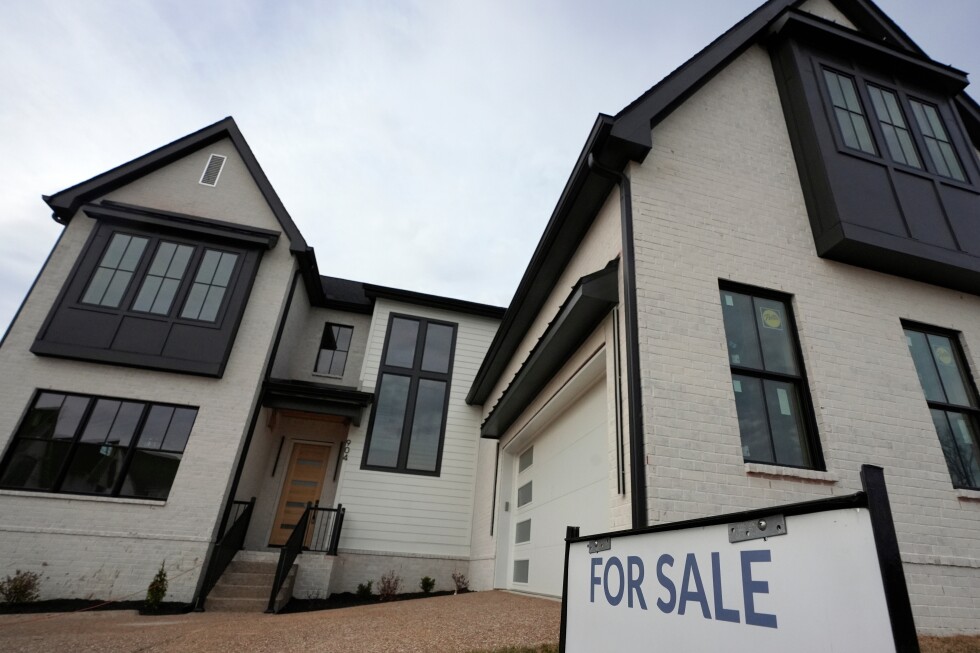
Long-term mortgage rates in the United States have seen a significant increase, returning to levels not seen in four weeks. This rise occurs at a critical time for the US economy, raising questions about its impact on the housing market.
According to reports, the current rate for a 30-year mortgage has reached approximately 7.09%, representing a notable increase compared to the previous period. This rise follows a period of relative stability in interest rates, putting additional pressure on potential buyers.
Details of the Event
Mortgage rates are a key indicator of the health of the housing market, directly affecting individuals' and families' ability to purchase homes. With these rates rising, many buyers may find it challenging to secure the necessary financing to buy new homes, potentially leading to a slowdown in market activity.
This increase in interest rates comes amid efforts by the US Federal Reserve to control inflation, which has seen a significant rise in recent months. At the same time, home prices remain high, adding to the challenges faced by buyers.
Background & Context
Historically, the United States has experienced fluctuations in mortgage rates, influenced by various economic factors, including monetary policies and housing demand. In recent years, there has been a trend toward rising interest rates in an attempt to curb inflation, significantly impacting the housing market.
In 2020, mortgage rates fell sharply due to the COVID-19 pandemic, leading to a significant increase in demand for homes. However, the current rise in rates indicates a shift in direction, which could lead to a market slowdown.
Impact & Consequences
This rise in mortgage rates could have widespread effects on the US economy. First, it may reduce demand for homes, potentially causing prices to drop. Second, it could impact companies operating in the construction and development sector, as new projects may decline due to reduced demand.
Moreover, higher interest rates could lead to increased borrowing costs for individuals and businesses, which may affect consumer spending and investment. Ultimately, this could result in a slowdown in economic growth.
Regional Significance
While the impact of this rise in mortgage rates appears to be primarily concentrated in the United States, it has implications for global markets. An increase in US interest rates may lead to a flow of capital into US markets, affecting currencies and financial markets in Arab countries.
Additionally, any slowdown in the US economy could affect demand for exports from Arab countries, potentially negatively impacting their economies. Therefore, Arab nations should closely monitor these developments.
In conclusion, the rise in mortgage rates in the United States signals current economic challenges. It is crucial for global markets, including Arab markets, to remain vigilant to these changes and adapt to the evolving conditions.