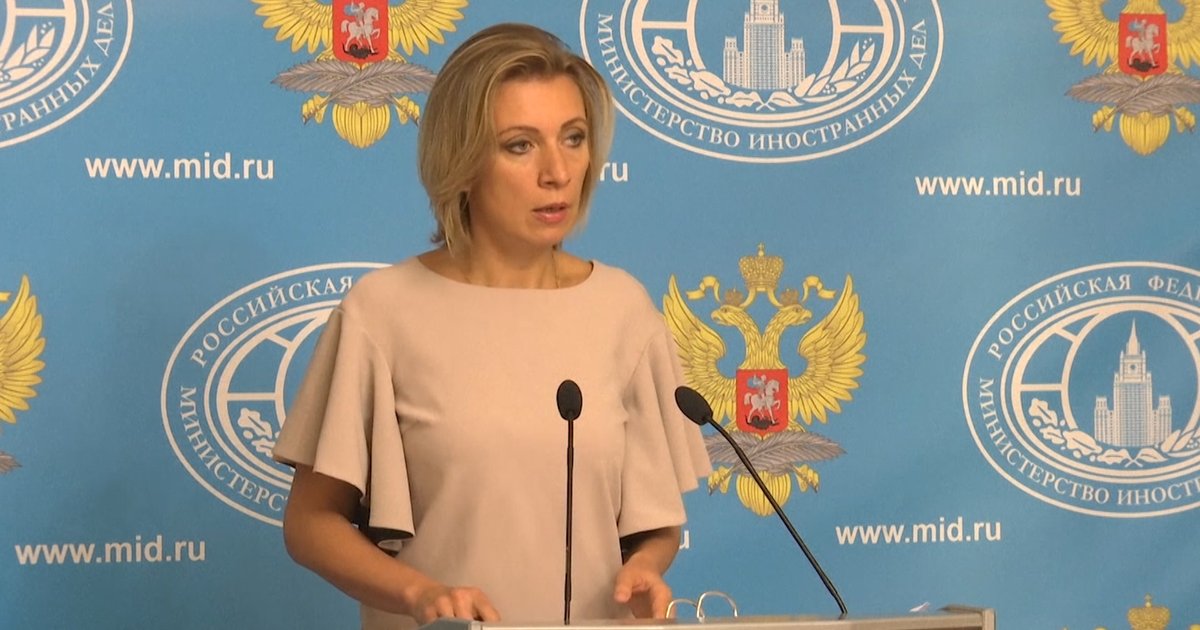
Russia has announced its readiness to coordinate with Arab countries to achieve a ceasefire in the Middle East. This step comes at a time when the region is witnessing escalating tensions and conflicts, necessitating effective international intervention.
Moscow seeks to strengthen its relations with Arab nations, viewing this initiative as part of its broader strategy to enhance its influence in the region. The Russian Foreign Ministry has confirmed that dialogue with Arab states will be open and flexible, focusing on achieving peace and stability.
Details of the Announcement
In an official statement, the Russian Foreign Ministry indicated that Moscow is prepared to work with all parties involved in the ongoing conflicts, including Palestinian and Israeli factions. This announcement comes at a sensitive time, as international calls for halting hostilities and initiating comprehensive peace negotiations are increasing.
Russian officials have also emphasized the importance of coordinating with Arab countries, which play a pivotal role in regional issues. It has been reiterated that Russia considers Arab nations as key partners in efforts to achieve peace.
Background & Context
Historically, Russia has sought to enhance its presence in the Middle East by supporting certain regimes and political movements. In recent years, tensions between Israel and Palestinian factions have escalated, exacerbating the humanitarian situation in the region.
This Russian initiative is seen as part of Moscow's efforts to become a key player in regional politics, especially after demonstrating its ability to influence conflicts in Syria and Libya. Additionally, Russia aims to capitalize on available opportunities to strengthen its economic and political ties with Arab countries.
Impact & Consequences
If Russia succeeds in achieving a ceasefire, it could lead to a de-escalation of tensions in the region, contributing to an improvement in humanitarian conditions. This development may also pave the way for new political negotiations that could involve all concerned parties.
On the other hand, Russia may face challenges in convincing all parties to come to the negotiation table, particularly given the deep divisions among Palestinian factions and international pressures on Israel. Nevertheless, Russia's role could be crucial in making progress towards peace.
Regional Significance
This Russian initiative represents an opportunity for Arab countries to enhance their role in resolving regional conflicts. If coordinated effectively, it could lead to strengthened Arab-Russian cooperation in various fields, including security and economics.
In conclusion, it remains to be seen how the involved parties will respond to this initiative and whether it will lead to tangible results on the ground. Moscow's success in this context could alter the dynamics of the conflict in the Middle East.