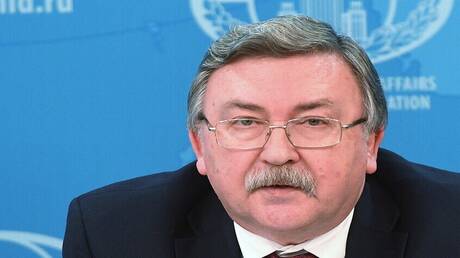
Mikhail Ulyanov, Russia's representative to international organizations, reported that Rafael Grossi, the Director of the International Atomic Energy Agency (IAEA), admitted to violations of the seven nuclear safety principles announced in 2022, in the context of the current situation in Iran. These statements come at a sensitive time as fears of escalating nuclear tensions in the region are increasing.
The seven principles established by the IAEA include fundamental guidelines aimed at ensuring nuclear safety during conflicts, such as protecting nuclear facilities and avoiding potential damage to them. However, recent reports indicate that these principles have not been respected in Iran, raising questions about the safety of Iranian nuclear facilities.
Details of the Event
Ulyanov's statements came during a meeting of the IAEA Board of Governors, where the nuclear situation in Iran was extensively discussed. Ulyanov emphasized that the violations observed could have serious repercussions on nuclear safety in the region, pointing out that these violations are not merely technical breaches but represent a threat to regional and international security.
The Russian representative also noted that these violations could impact the international community's efforts to achieve stability in the region, especially amid rising tensions between Iran and Western countries. Ulyanov called for urgent action to ensure adherence to nuclear principles and to avoid any potential escalation.
Background & Context
The roots of nuclear tensions in Iran date back to 2015 when the nuclear agreement between Iran and major powers was reached, aimed at reducing Iranian nuclear activities in exchange for the easing of sanctions. However, the United States withdrew from the agreement in 2018, leading to increased tensions and the reinstatement of sanctions.
Since then, Iran has begun to reduce its nuclear commitments, raising concerns within the international community. In 2022, the IAEA announced the seven nuclear safety principles during conflicts in an attempt to guide countries towards compliance with nuclear safety standards. However, the reported violations in Iran indicate significant challenges facing these principles.
Impact & Consequences
The repercussions of violating nuclear principles in Iran extend beyond its geographical borders, potentially affecting regional and international security. As fears of escalating tensions grow, Western countries may move towards imposing further sanctions on Iran, which could exacerbate the humanitarian and economic situation in the country.
These violations may also bolster the position of countries advocating for strict actions against Iran, increasing the likelihood of military escalation. At the same time, they could undermine international diplomatic efforts aimed at peacefully resolving the conflict.
Regional Significance
The nuclear situation in Iran is a significant concern for Arab countries, especially those neighboring Iran, such as Saudi Arabia and the United Arab Emirates. With the increase in Iranian nuclear activities, many of these countries feel a direct threat to their national security, which may drive them to enhance their defensive capabilities.
Moreover, these developments could lead to heightened tensions between Arab states and Iran, negatively impacting stability in the region. Therefore, monitoring the Iranian nuclear situation is crucial for Arab countries to ensure their security and stability.
In conclusion, Mikhail Ulyanov's statements serve as a clear warning of the risks that may arise from violations of nuclear principles in Iran. As tensions continue, hope remains pinned on the international community to find effective solutions that ensure nuclear safety and maintain stability in the region.