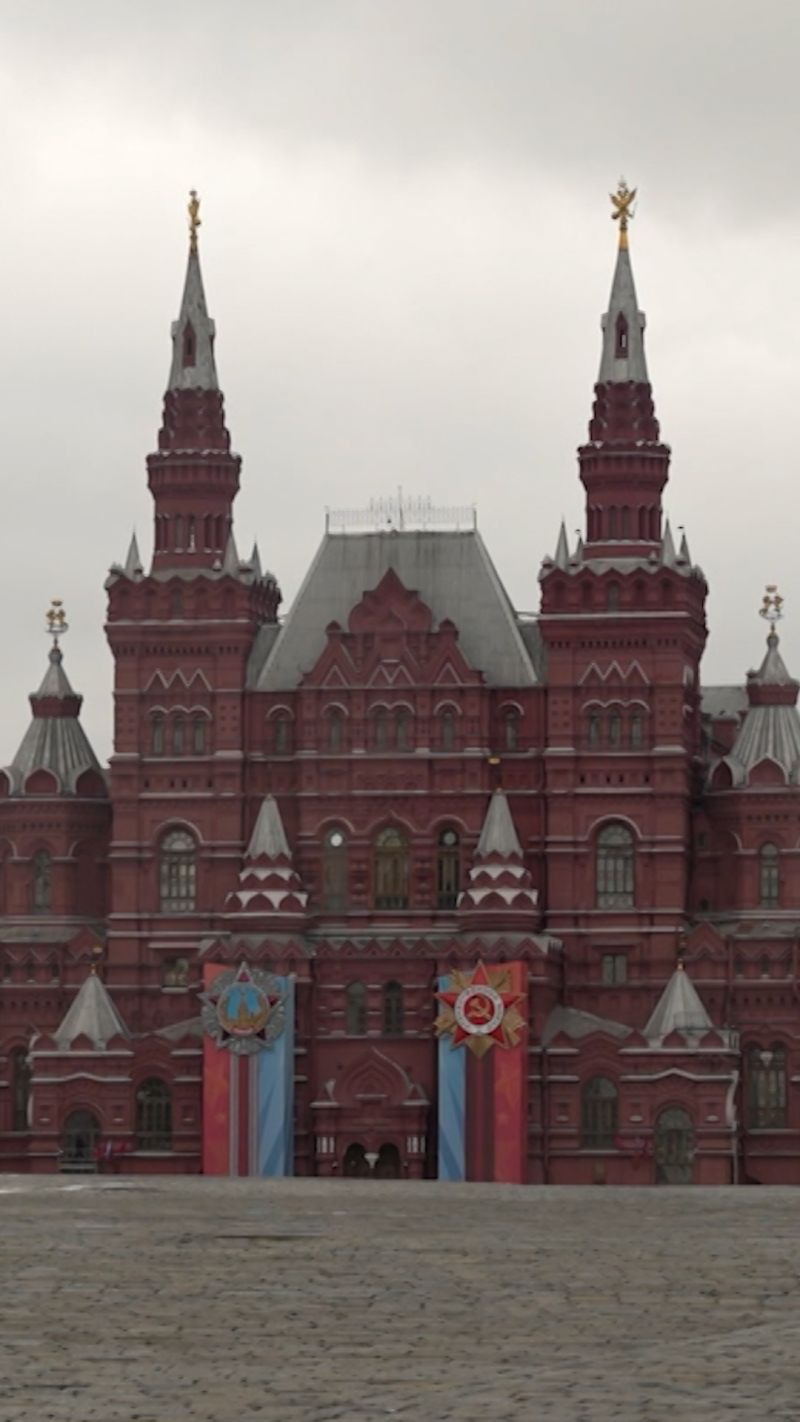
This year's Victory Day parade in Moscow underwent significant changes, with the absence of traditional military equipment reflecting heightened security concerns. The reduced presence of media and international guests made the event feel markedly different from previous years.
In past years, journalists had to rush from media buses to reach their spots in Red Square. However, this year, there was no need for that, as the number of journalists was significantly lower, and many international media outlets were not allowed entry.
Event Details
Upon arriving at Red Square, a Russian television crew approached me and began filming. One of them said, "Steve, you are proof that foreign media have been allowed in." Yet, I could not see any other journalists. This year's parade had a much lower attendance, with many global leaders absent from the event.
However, the biggest difference became apparent as soon as the parade began. There were no tanks, missile launchers, or intercontinental ballistic missiles, which are the military equipment typically showcased by the Kremlin on Victory Day to demonstrate Russia's military power on the international stage. Authorities stated that these changes were due to security concerns, as there were fears that Ukraine might target Red Square with drones.
Background & Context
The Victory Day parade dates back to 1945 when Russia celebrated its victory over Nazi Germany. Since then, this day has become a symbol of national strength and pride. However, the ongoing war in Ukraine, which began over four years ago, makes it difficult for Russia to celebrate victory as it once did.
In recent years, the celebrations have become more complicated, as international pressure on Russia has increased due to its actions in Ukraine. Russian President Vladimir Putin mentioned in his speech that Russia has always been and will always be victorious, referring to the Soviet victory in World War II. However, the current situation in Ukraine is entirely different, with no signs of victory for Russia.
Impact & Consequences
These changes in the Victory Day parade illustrate how the security situation in Russia has been significantly affected by the war in Ukraine. Instead of showcasing military strength, the event relied on visual displays through large screens in Red Square, reflecting a state of anxiety and fear of potential backlash.
The absence of international leaders from the event also reflects a decline in Russia's standing on the international stage. While Moscow showcased its military power in previous years, this year saw a shift towards more modest celebrations, which could impact morale within the country.
Regional Significance
Events in Russia hold significant importance for the Arab region, as Arab countries monitor developments in Ukraine and their impact on regional security. The tensions between Russia and the West may affect Arab relations with both sides, especially amid current crises in the region.
In conclusion, this year's Victory Day parade in Moscow reflects the challenges Russia faces under current circumstances, as it must reassess its military and diplomatic strategies amid increasing pressures.