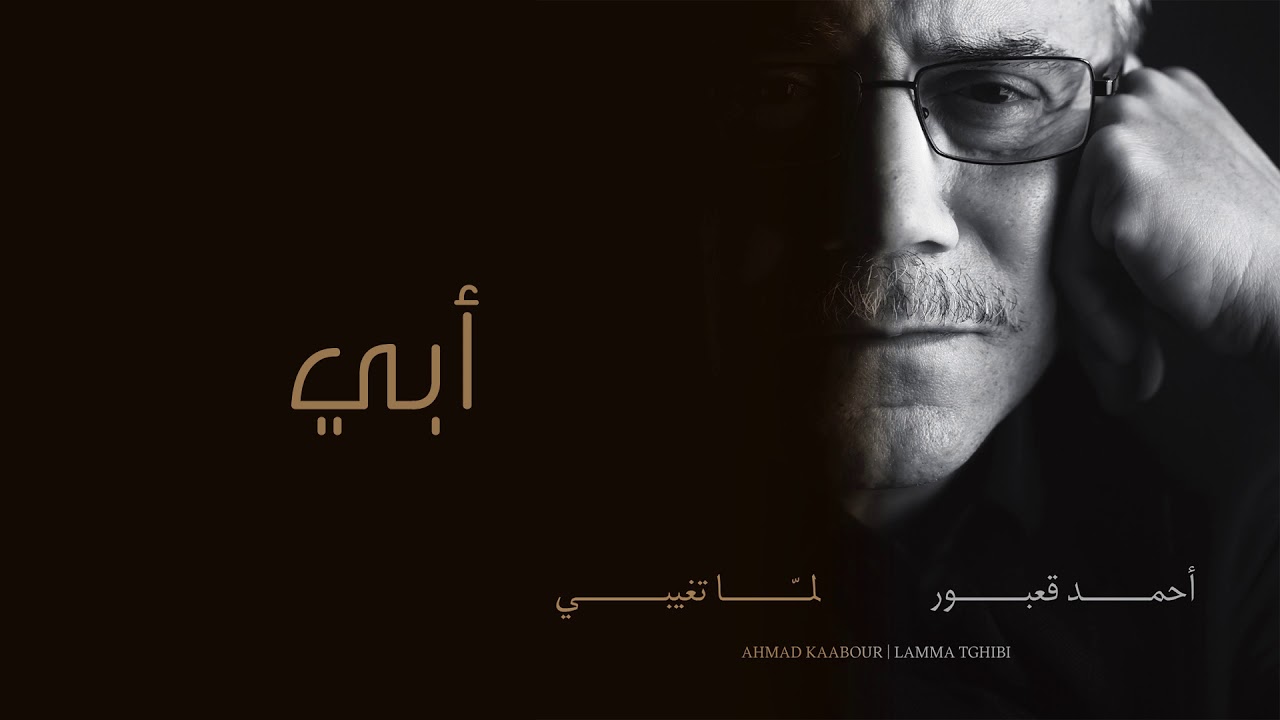
Lebanese artist Ahmad Qabour, one of the most prominent symbols of committed music, passed away this Thursday evening at the age of 71 after a battle with cancer. Qabour, who became famous for his iconic song 'Anadikum', leaves behind a rich artistic legacy that extends over five decades, with his works closely tied to the issues of Palestine, justice, and freedom.
Qabour's family announced his death through a brief statement posted on his official Facebook page, requesting mercy and forgiveness for him. A prayer service is scheduled for tomorrow afternoon at the Al-Khashoggi Mosque in Beirut, before he is laid to rest in the Martyrs' Cemetery.
Details of the Event
Since the moment the news was announced, the obituary post has seen significant interaction on social media, where his fans expressed their deep sorrow at his passing. Many followers wrote phrases reflecting their love for him, such as 'the gentle voice has departed' and 'a tremendous loss', along with prayers for the mercy of a voice that formed part of the Arab memory.
Former Lebanese Prime Minister Saad Hariri also mourned Qabour, describing him as a 'creative artist', affirming that his name will remain 'a shining mark in the journey of refined and committed art'. Activists, journalists, and artists recalled his impact on the Lebanese and Arab conscience, noting that he was 'the voice of resistance in Lebanon and Palestine'.
Background & Context
Ahmad Qabour was born in Beirut in 1955, into a modest family. His father was one of the first violinists in Lebanon, while his mother believed that education was the true weapon. Qabour grew up in an environment rich in music and culture, which contributed to shaping his artistic and political awareness.
In the mid-1970s, Qabour released the song 'Anadikum', written by Palestinian poet Tawfiq Ziad, which became a landmark in his career. His name became associated with the art of commitment and the advocacy for humanity and Palestine, to the extent that poet Mahmoud Darwish mistakenly thought he was Palestinian before realizing he was Lebanese.
Impact & Consequences
For decades, Qabour produced numerous committed and national songs, such as 'Ala Al-Bayariq' and 'Ya Nabd Al-Daffa'. He also participated in prominent theatrical and cinematic works, which helped enhance his artistic presence. In 2016, he received the 'Jerusalem Award for Culture and Creativity' in recognition of his role in resistant creativity.
Despite the clear political presence in his songs, Qabour maintained his independence from political parties, presenting himself as an artist who places humanity at the heart of his artistic experience. His passing leaves a significant void in the artistic scene, as he represented a distinctive voice in contemporary Arab music.
Regional Significance
The passing of Ahmad Qabour represents a significant loss for Arab art, as his voice was part of the collective consciousness. His works contributed to raising awareness of humanitarian and national issues, making him a symbol of committed art in the Arab world.
Qabour leaves behind an artistic and humanitarian legacy that resonates in the memories of successive generations, from a small Beirut balcony to the fields of Palestine, where his voice will continue to echo in the hearts of his admirers.